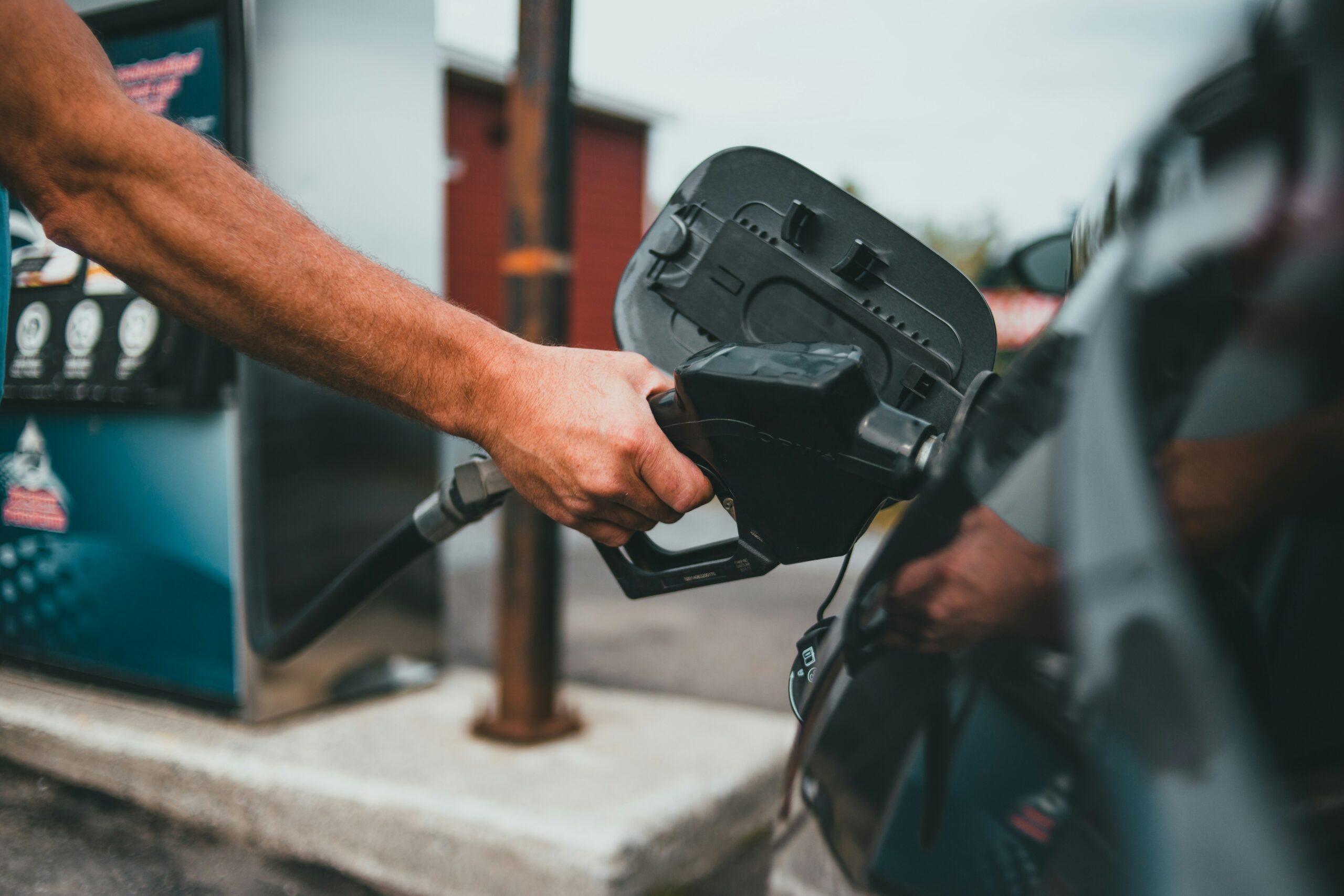
July the 30th, 2026 – Sweden produces almost no domestic oil, yet drivers there usually have access to much cheaper petrol than Croatia. How is that possible? The answer is more complex than you might realise.
The answer to the question posed above is that fuel prices are not simply determined by whether a country has oil reserves. Slobodan Mufic explained for Index that the final price at the pump depends on a combination of factors, including taxes, government decisions, competition between fuel companies, transport costs and market conditions.
Sweden imports the oil that it needs, but it has an incredibly highly developed energy market and strong purchasing power. The country has also introduced policies that influence the cost structure of fuels and energy, meaning the absence of domestic oil production does not automatically lead to higher prices. Croatia, meanwhile, also relies heavily on imported oil, but fuel prices are shaped by different economic conditions. The Croatian government has repeatedly intervened in the fuel market by setting maximum retail prices and adjusting measures such as excise duties to protect consumers from price increases.
Another important factor is the difference in wages. A litre of petrol may cost a similar amount across Europe, but what matters for citizens is how much of their income goes towards filling up their cars.
The comparison between Sweden and Croatia shows that having domestic oil production is not the only factor that determines fuel prices. Countries without their own oil can still have cheaper petrol if their tax systems, markets and economic conditions create lower costs for drivers. So while Croatia and Sweden both depend on imported energy, the price drivers behind the pump are much more complicated than simply asking: “Who has oil?”
Subscribe to our newsletter
the fields marked with * are required