BY SIFISO NHLABATSI
EZULWINI – Education experts have called for urgent policy and funding reforms after the 2025 National Education Performance Report (NEPR) revealed that 1 400 learners dropped out of secondary school due to pregnancy.
This has made pregnancy the second leading cause of school attrition after absconding.
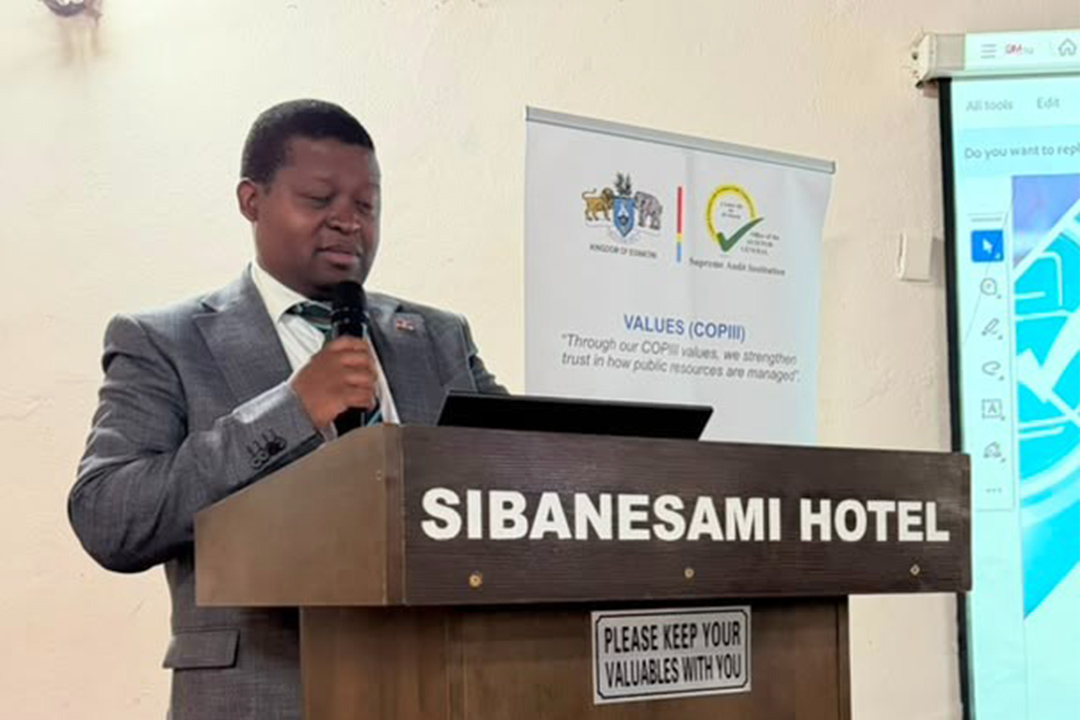
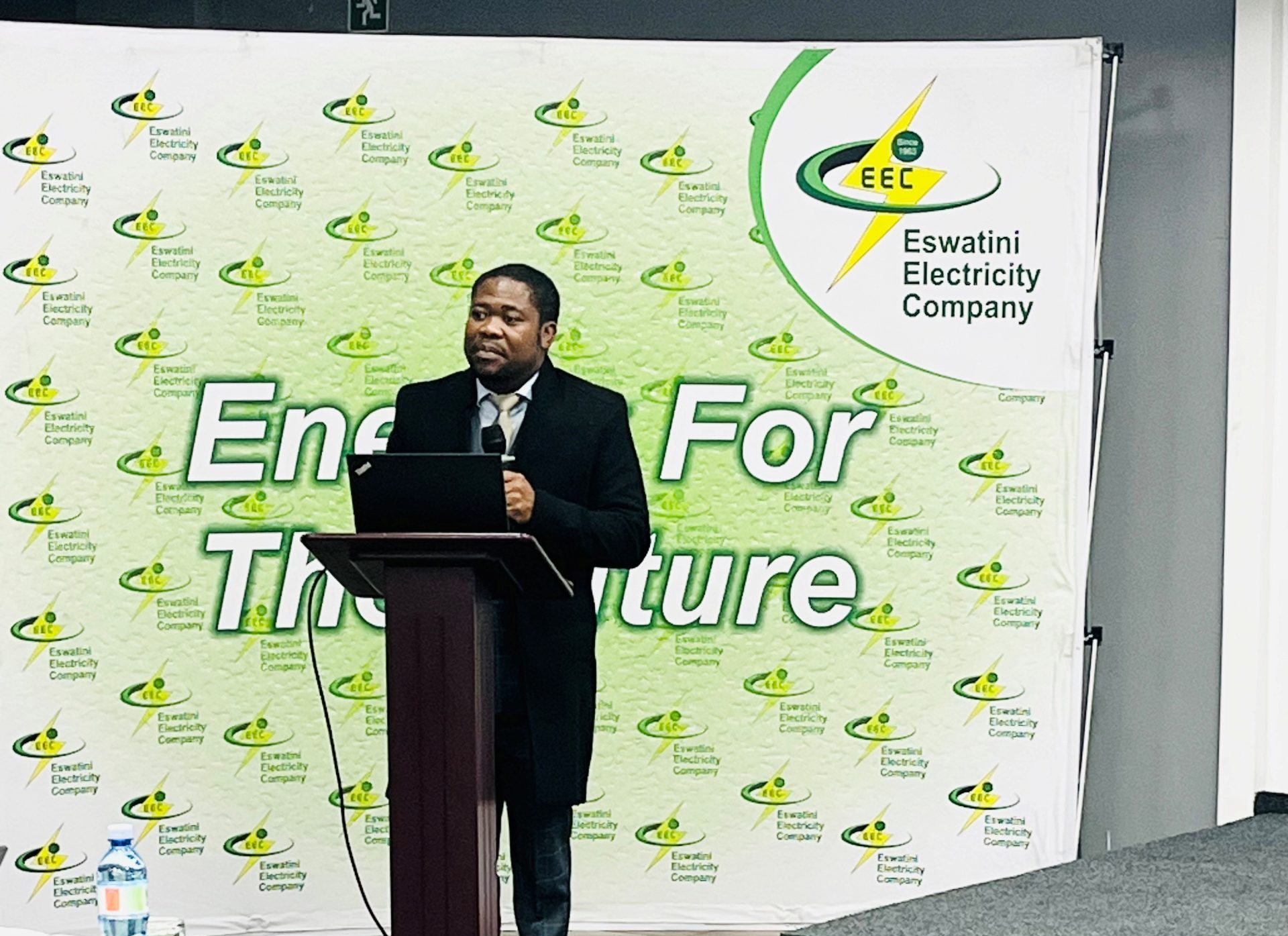
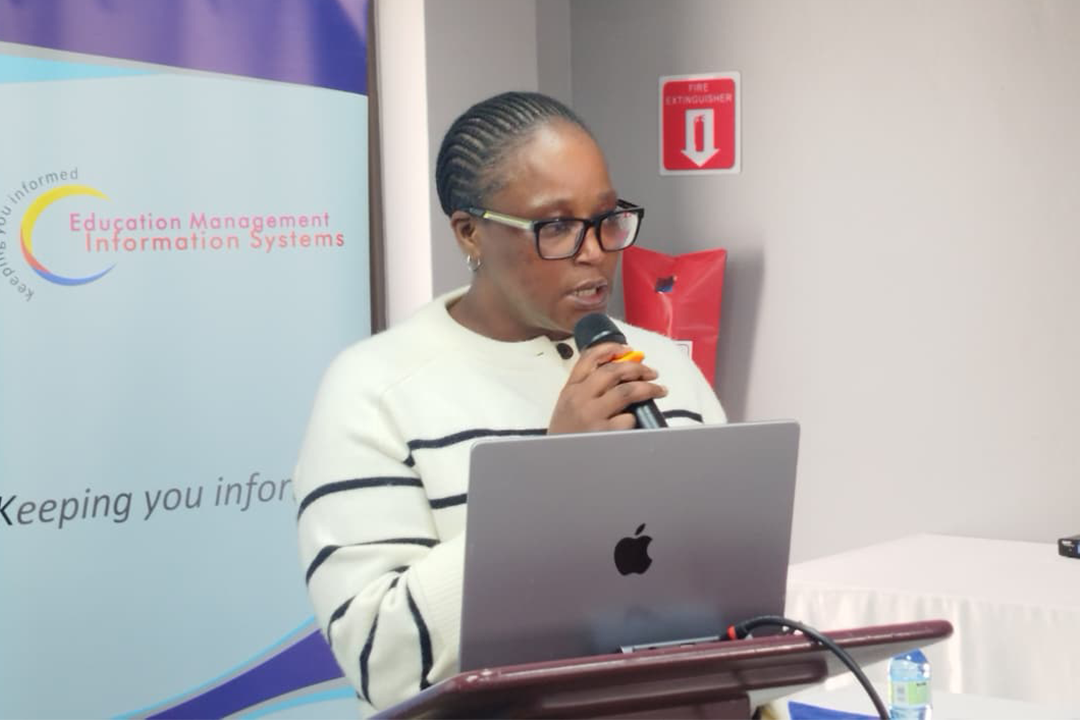
The report, presented on Tuesday by Nelsiwe Dlamini and Education Economist Mcolisi Stan Maphosa, outlined a series of recommendations aimed at improving learner retention, reducing school dropouts and addressing long-standing inequalities within Eswatini’s education system.
According to the report, pregnancy accounted for 1 400 secondary school dropouts in 2025, behind the 1 908 learners who absconded from school. Other major causes of dropout included school fees, which forced 1 290 learners out of school, and relocation, affecting 1 281 learners.
To curb these losses, the report recommends institutionalising early warning systems capable of identifying learners who are at risk of dropping out before they leave school. It further proposes strengthening guidance and counselling services in all schools to provide continuous support to vulnerable learners, including pregnant girls.
Presenters also recommended expanding targeted interventions for learners at risk of leaving school, saying schools should proactively monitor attendance, academic performance and behavioural patterns to prevent unnecessary dropouts.
Recognising that financial hardship remains a major obstacle, the report calls for the expansion of secondary education subsidies through targeted fee waivers or the standardisation of school fees. Since secondary education is not state-funded, researchers argued that reducing financial barriers would significantly decrease cost-related dropouts.
The report also highlights a mismatch between government spending and national education priorities, particularly in Early Childhood Care Development and Education (ECCDE). Although international evidence shows that investment in early childhood education improves retention and learning outcomes, ECCDE currently receives only 0.1 per cent of the recurrent education budget, amounting to E2.78 million.
The presenters recommended increasing public funding for ECCDE to reverse the decline in funding from E5.7 million three years ago to E2.78 million, arguing that stronger investment at the foundation level would improve enrolment and long-term educational outcomes. Currently, the Grade 0 Gross Enrolment Rate stands at only 33.9 per cent, meaning only one in three eligible children is enrolled.
The report further recommends reviewing the implementation of the Competency-Based Education (CBE) progression policy at secondary school level. While enforcement of normal progression under CBE successfully reduced primary school repetition from 7.4 per cent to 4.7 per cent, secondary repetition increased sharply from 9.9 per cent in 2023 to 15.3 per cent in 2025 due to the absence of a standardised progression policy.
The report also calls for increased investment in infrastructure for learners with Special Educational Needs (SEN). It found that adapted science and computer laboratories remain virtually non-existent across the country’s four regions, with only between five and 22 specialised rooms available nationwide.
The presenters said improving accessibility to specialised learning facilities is essential if Eswatini is to achieve genuinely inclusive education. They noted that while standard classrooms have received some disability modifications, specialised laboratories remain largely inaccessible to learners with disabilities.
Despite these challenges, the report acknowledged notable successes within the primary education sector. The Free Primary Education Programme and the national school feeding programme have helped sustain enrolment above 90 per cent, with the Net Enrolment Rate reaching 95.3 per cent.
However, the presenters cautioned that these gains risk being undermined unless government addresses funding imbalances, strengthens learner support systems and expands access to quality education beyond the primary level, ensuring that all children are able to complete their education regardless of financial, social or personal circumstances.
#NationalEducationPerformanceReport2025 #EducationReform #EndSchoolDropouts #GirlsEducation #TeenPregnancy #InclusiveEducation #EducationForAll #EswatiniEducation #ECCDE #SecondaryEducation #LearnerRetention #EducationFunding.
Post Views: 117