Sri Lanka’s dengue outbreak has moved beyond a mosquito-control problem into a nationwide healthcare emergency, with hospitals forced to redesign services, deploy military assistance, and delay routine medical procedures as infection numbers reach alarming levels.
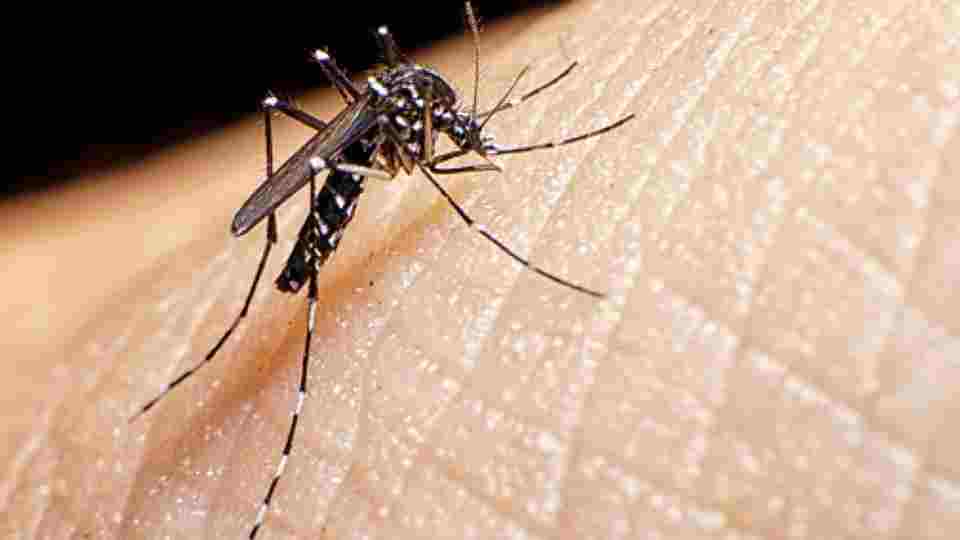
The country is facing one of its worst dengue outbreaks in a decade, with more than 82,000 cases reported this year and 61 deaths confirmed through official surveillance systems. The crisis has intensified as monsoon rains and widespread flooding provide favorable conditions for mosquito breeding.
Behind the statistics lies a growing struggle inside hospitals. Medical facilities in several high-burden districts are operating under severe pressure as increasing numbers of patients seek treatment for dengue-related complications.
Health authorities have expanded High Dependency Unit (HDU) capacity to closely monitor patients who show signs of progressing toward Dengue Hemorrhagic Fever (DHF), a potentially life-threatening stage of the disease.
To manage overcrowding, hospitals have introduced strict dengue triage procedures. Patients are no longer admitted solely based on positive test results. Instead, doctors prioritize individuals showing danger signals, including severe abdominal pain, continuous vomiting, bleeding symptoms, and rapidly declining platelet counts.
Those considered clinically stable are discharged for outpatient monitoring under a structured system. Patients receive Dengue Monitoring Cards and must return daily for medical reviews and full blood count testing until doctors confirm recovery.
The pressure has become so intense that several regional hospitals have temporarily suspended elective surgeries. The decision aims to redirect limited nursing staff, beds, and medical resources toward dengue patients requiring urgent attention.
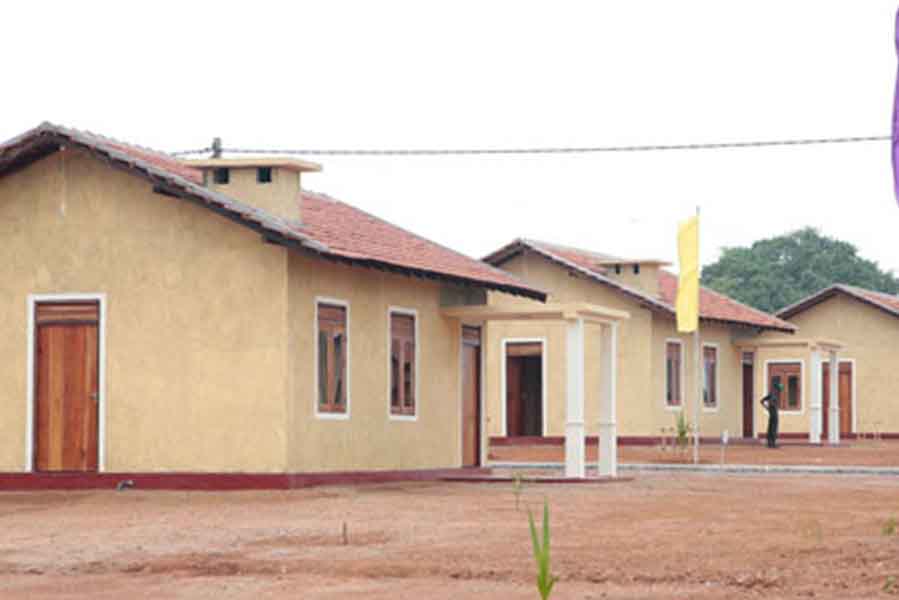
Military support has also become part of the national response. The Ministry of Health has partnered with the Sri Lanka Army to establish temporary medical tents and field structures near overloaded suburban hospitals, creating additional space for patients during the outbreak peak.
The geographical spread of the crisis has raised further concerns. The NDCU has classified 175 Medical Officer of Health areas as critical risk zones. Gampaha district has emerged as the country’s worst-affected area, overtaking Colombo, while Matara, Kandy, Kalutara, and Ratnapura are experiencing sharp increases in weekly infections.
Amid this emergency, the United States has stepped forward with a technical assistance program involving experts from USARPAC and the U.S. Army’s 18th Theater Medical Command. The mission focuses on preventive medicine, mosquito control strategies, disease tracking, and advanced public health methods.
The international partnership comes as Sri Lanka attempts to strengthen its defenses against recurring dengue outbreaks. While mosquito eradication campaigns and public awareness programs continue nationwide, health experts warn that long-term prevention will require stronger surveillance systems, improved urban planning, and sustained community participation.
Sri Lanka’s current dengue battle is not only a fight against a virus but also a test of healthcare resilience as the nation confronts a rapidly evolving public health threat