Baghdad (IraqiNews.com) – Iraq’s anti-corruption judiciary has seized IQD 27 billion in cash as part of an ongoing investigation involving Adnan Al-Jumaili, the detained former Deputy Oil Minister for Refining Affairs, in one of the country’s latest high-profile corruption cases.
Judicial authorities said the money was recovered during investigations into alleged financial losses linked to projects overseen by the former official and other individuals connected to the case.
In a statement issued on Sunday, the media office of Iraq’s judiciary said Judge Diaa Jaafar, the investigating judge at the Central Anti-Corruption Criminal Court, confirmed the seizure of IQD 27 billion.
According to the court, the funds were discovered after investigators traced financial proceeds allegedly generated through waste and irregularities in projects associated with Al-Jumaili and other suspects.
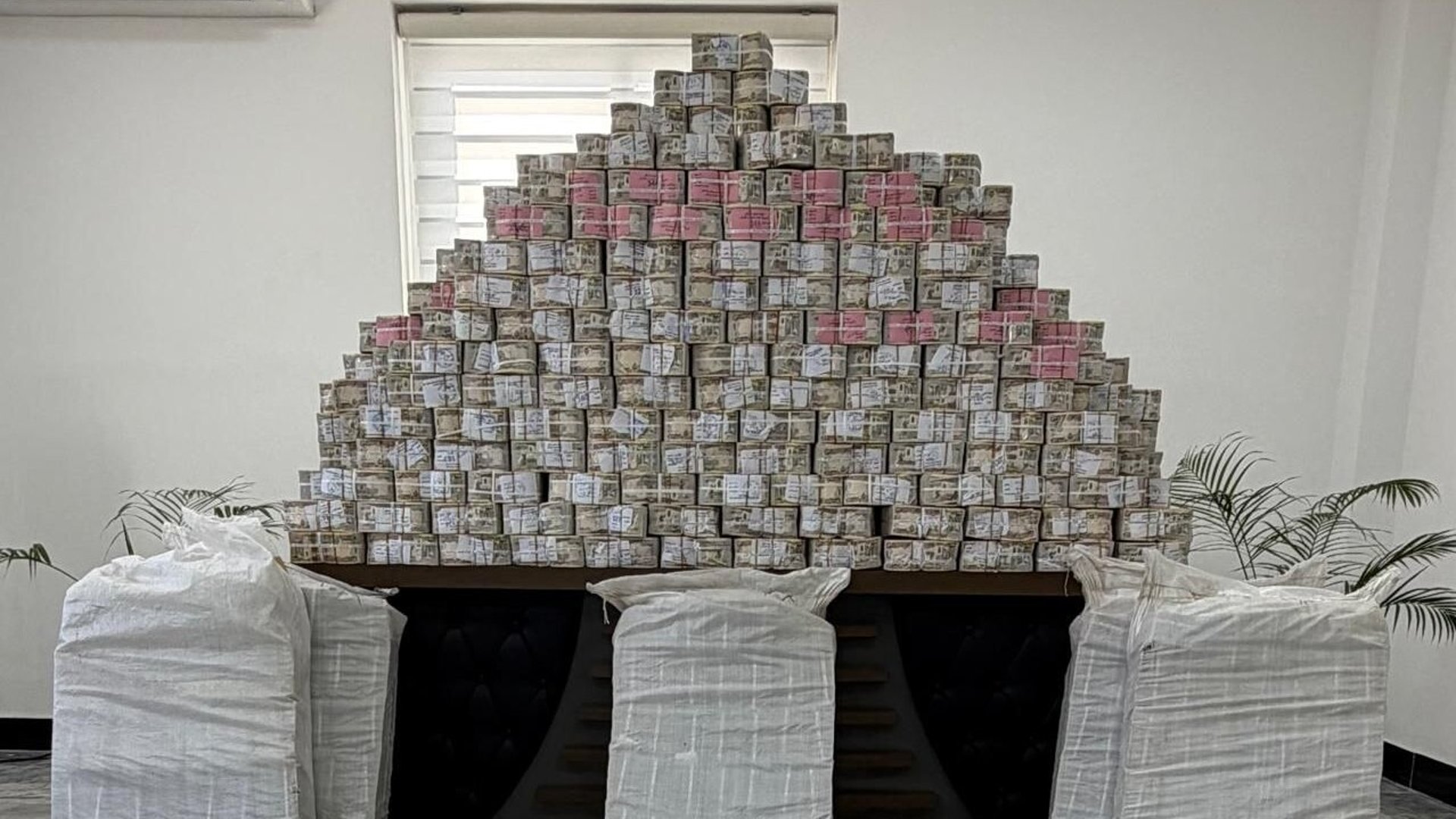
Officials said the cash had been hidden by several individuals believed to be involved in the case. The court said investigators are continuing to pursue additional suspects and trace other assets that may be linked to the alleged offenses.
Judicial authorities indicated that the investigation remains active as efforts continue to identify everyone involved and recover additional public funds, if any are found.
The judiciary also released photographs showing stacks of newly recovered banknotes arranged in large piles following the seizure. According to the statement, the images document the IQD 27 billion recovered during Sunday’s operation, which authorities said had been concealed by individuals connected to the former deputy minister.
Officials did not disclose how many people are under investigation or provide further details about the locations where the money was found.
The case is among several recent corruption investigations pursued by Iraq’s anti-corruption courts as authorities seek to recover public funds and hold officials accountable for alleged financial crimes.
The judiciary reiterated that investigations remain ongoing and that further legal action could follow as additional evidence emerges.