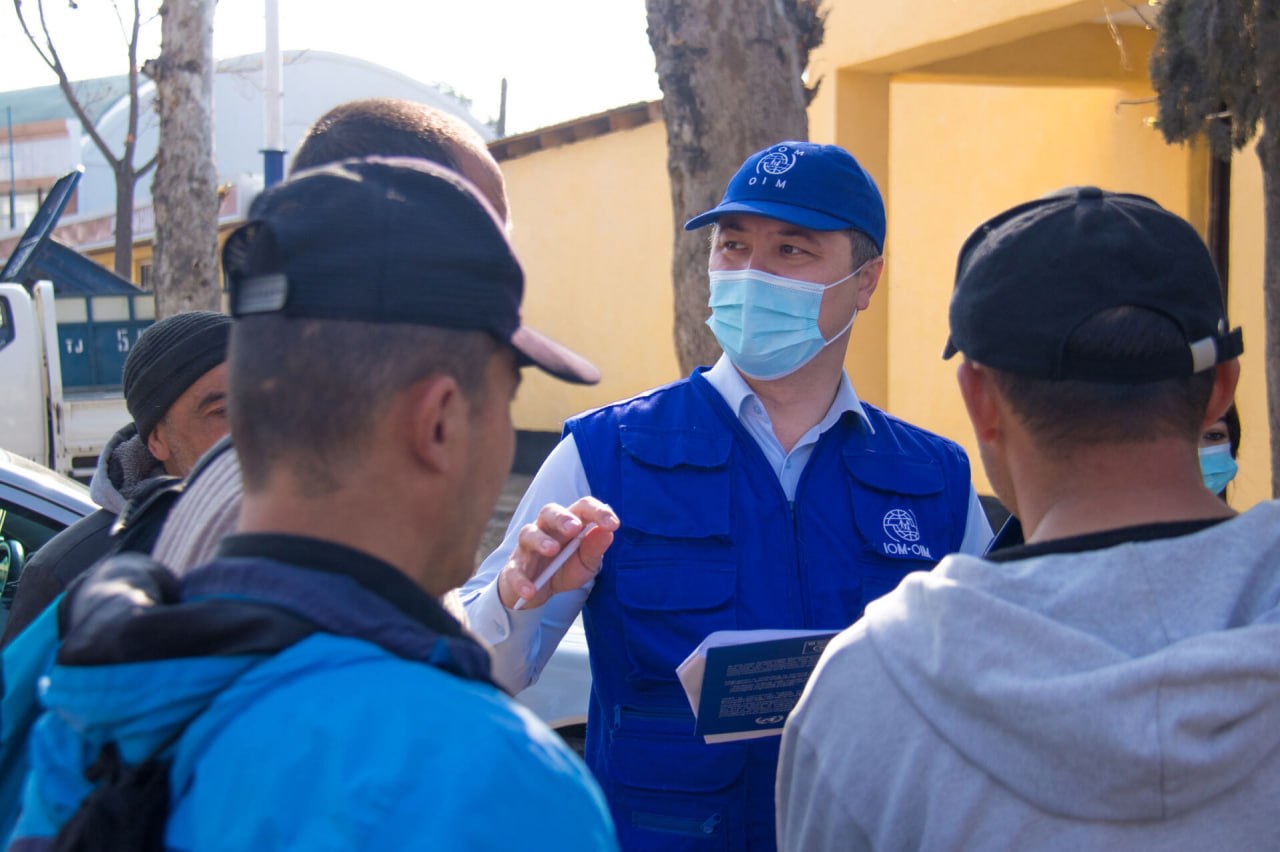
One in three migrants surveyed by the International Organization for Migration was unemployed after returning to Tajikistan, according to the IOM Mission in Tajikistan’s 2025 annual report.
The survey also found a sharp decline in migrants’ earnings after their return. Respondents earned an average of $943 per month while working abroad, compared with $309 after returning to Tajikistan.
In 2025, IOM conducted the fifth round of its survey of returning migrants using the Displacement Tracking Matrix, adapted to conditions in Tajikistan. The survey covered 2,197 people in five regions and 12 districts.
Why did migrants return?
Respondents cited family circumstances, documentation problems, deportation, deteriorating health and security concerns in Russia as the main reasons for returning.
Some migrants also said they had returned because of difficulties obtaining work permits or because their employment contracts had expired.
Return migration was recorded across the country but was particularly widespread in the Sughd region and the districts under central government jurisdiction.
Incomes fall sharply after returning home
Before returning to Tajikistan, many respondents had worked in construction, services and industry.
After their return, around one-third were unemployed. Those who found work in Tajikistan generally earned substantially less than they had abroad.
According to the report, male respondents earned an average of $1,017 per month in their destination countries. After returning to Tajikistan, their average monthly income fell to $321.
Among women, average monthly earnings declined from $681 abroad to $254 after their return.
Nearly half plan to migrate again
Almost half of the surveyed migrants said they intended to travel abroad for work again, with Russia remaining the main destination.
At the same time, many returnees faced unstable incomes, limited savings and difficulties meeting their basic needs.
The report notes that migrants frequently rely on relatives, friends and other informal networks to find work. Their financial situation is further affected by obligations to support their families through remittances and by a lack of reliable information before departure.
What assistance do returning migrants need?
IOM called for stronger pre-departure preparation, expanded legal assistance and greater support with documentation, employment and vocational training, particularly for women.
The report also identified a need for income-support programs, access to microfinance and social protection, as well as the wider distribution of reliable information through local communities and digital platforms.
IOM said Tajikistan’s migration situation continued to change because of conditions in destination countries, the growing number of returning migrants and increased internal mobility. Domestic movements were partly linked to housing reconstruction and economic pressures, the report said.