By: Isuru Parakrama
July 23, World (LNW): Global oil prices surged to their highest levels in more than six weeks on Thursday (23) after escalating military tensions involving the United States, Iran and Yemen’s Houthi movement heightened concerns over the security of key international shipping routes.
Brent crude futures climbed by around 2 per cent to reach US$96 a barrel in early trading, marking their strongest level since early June. The benchmark had already posted a sharp gain in the previous session, closing at US$94.07 after rising by more than US$3.
Meanwhile, US West Texas Intermediate (WTI) crude advanced by 1.7 per cent to US$88.27 a barrel, extending Wednesday’s gains of nearly 3 per cent.
Investor sentiment was shaken after the United States launched another round of military strikes against targets linked to Iran, marking the twelfth consecutive night of attacks. The escalation followed remarks by US President Donald Trump, who pledged further action against Iranian infrastructure if vessels in the Strait of Hormuz continued to come under attack.
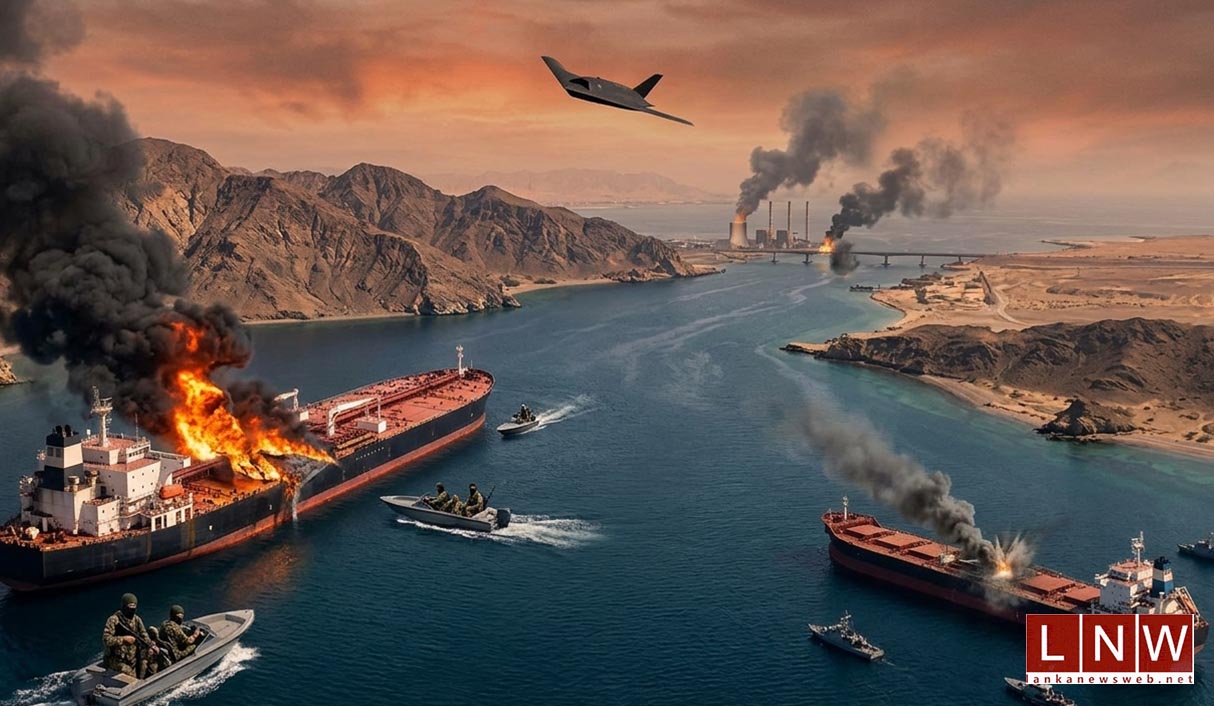
Iran’s Revolutionary Guards reported that an oil tanker caught fire following an explosion while attempting to navigate what they described as a mined section south of the Strait of Hormuz. The Guards claimed two other tankers subsequently abandoned their journeys and turned back.
Iran also declared that it had effectively taken control of the strategic waterway, warning that no commercial vessel would be permitted to transit the Strait of Hormuz without coordination with Iranian authorities while military operations in the region continue. Although these claims have not been independently verified, they have added to growing anxiety in global energy markets.
At the same time, Yemen’s Iran-backed Houthi movement widened the regional conflict by threatening to target ships transporting Saudi oil through the Bab el-Mandeb Strait. The group announced what it described as a naval blockade of Saudi Arabia and claimed responsibility for attacks on two Saudi oil tankers operating in the Red Sea.
Maritime security reports indicated that one of the vessels identified by the Houthis, the Saudi-flagged tanker Encelia, had been struck during the incident. The group also claimed that its warnings had forced around 10 commercial ships to abandon their voyages and turn back, although those assertions have not been independently confirmed.
The developments have raised fresh concerns over the stability of two of the world’s most strategically important maritime corridors. Any prolonged disruption to shipping through either the Strait of Hormuz or the Bab el-Mandeb Strait could significantly affect global oil supplies, increase transport costs and place further upward pressure on energy prices.
On the supply front, fresh data from the US Energy Information Administration showed that American crude oil inventories increased by 2 million barrels last week. The build was attributed to lower refinery activity, reduced crude exports and higher imports, contrasting with market expectations of a drawdown of approximately 1.1 million barrels. The unexpected rise in stockpiles did little to offset the strong geopolitical risk premium driving prices higher.