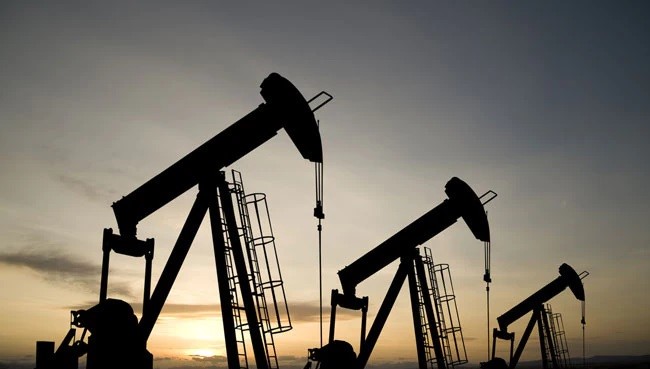
CRUDE oil prices hovered near five-week highs on Tuesday as intensifying US-Iran hostilities and growing risks to global energy routes continued to support the market.
Brent crude futures, the international benchmark, rose about 1.3 per cent to close at US$89.22 a barrel, while US West Texas Intermediate (WTI) crude futures gained 0.9 per cent to settle at US$83.23 a barrel.
Oil prices have surged about 20 per cent this month as fighting between Washington and Tehran escalated sharply.
The latest gains came after US President Donald Trump warned Iran it would face consequences over the deaths of three US service members.
“Every time Iran kills an American Soldier they will pay for that killing many times over!” Reuters cited Trump saying in a post on Truth Social.
“This directive has been passed on to Secretary of War, Pete Hegseth, Chairman of the Joint Chiefs of Staff, Daniel Caine, and every Leader in the Military,” he added.
Brent crude briefly jumped nearly 4 per cent overnight to surpass US$90 a barrel after the United States confirmed the deaths of three military personnel during recent fighting with Iran.
Prices later eased after Iran’s Foreign Ministry spokesman Esmail Baghaei said negotiations with Washington could be pursued based on Tehran’s interests.
Concerns over energy security intensified after Iran-backed Houthi militants in Yemen announced a maritime embargo against Saudi Arabia, raising fears of further disruption to oil shipments through the Red Sea.
The move could worsen supply pressures caused by Iranian attacks on tankers in the Strait of Hormuz, one of the world’s most important energy chokepoints. The Houthis have repeatedly threatened to close the Bab el-Mandeb Strait, a key passage linking the Red Sea with global markets.
Saudi Arabia has relied on a pipeline network to transport millions of barrels of oil daily to export terminals on the Red Sea, providing an alternative route for crude shipments during periods of disruption in the Gulf.
The United States has carried out strikes against Iran for nine consecutive nights following repeated attacks on oil tankers travelling through the Strait of Hormuz. Tehran has attempted to force vessels to transit through its territorial waters, with recent attacks reportedly killing at least two seafarers and injuring more than a dozen others.
An oil products tanker off the coast of Oman was struck by a projectile over the weekend, causing a fire onboard, according to the United Kingdom Maritime Trade Operations Centre. The crew abandoned the vessel safely and were later rescued by a tugboat.
Meanwhile, the US dollar index traded near 101 on Tuesday after rising for three consecutive sessions, as geopolitical tensions and higher oil prices revived concerns over inflation and potential interest rate increases.
Markets are now pricing in around a 55 per cent probability of a Federal Reserve rate hike in September, up from 51 per cent a day earlier. Federal Reserve officials have entered a blackout period ahead of next week’s Federal Open Market Committee meeting, where policymakers are widely expected to keep interest rates unchanged.
Iran has also said mediators have proposed measures aimed at easing tensions with Washington after several days of fighting, while reports indicated a possible 10-day ceasefire could be under discussion. – July 21, 2026