Laboratory tests in the Swiss canton of Solothurn found excessive pesticide residues in one-third of vegetable samples taken from Asian grocery stores last year, prompting a criminal complaint against an importer.
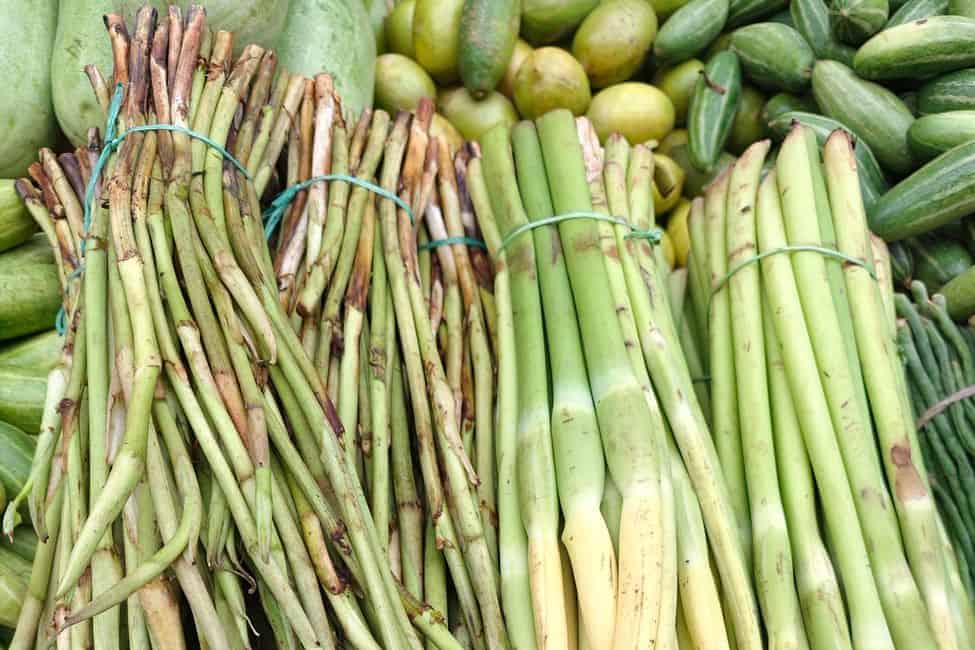
Photo by Shaddam Hossain on Pexels.com
Asian supermarket vegetables tested by Solothurn’s food safety inspectors repeatedly failed compliance checks, according to the canton’s 2025 annual report. Officials analysed 38 vegetable samples from ten retailers for pesticide residues.
The results were striking. Around one-third (32%) of the samples exceeded Switzerland’s legal limits for pesticides, a broad category covering chemicals used to control insects, fungi and other pests. Inspectors described the findings as sobering.
The non-compliant samples included basil, culantro, beans, green chillies, cardamom, nightshade vegetables, okra and water spinach. Many contained several pesticides at once. According to the cantonal food control authority, multiple residues are especially problematic because they complicate quality assurance and increase the difficulty of assessing potential health risks.
One case led to criminal proceedings. A batch of beans was found to contain nicotine and the insecticide triazophos. Because officials could not rule out an acute health risk, they immediately withdrew the product and filed a criminal complaint against the importer. Nicotine, although naturally present in tobacco plants, is also used as an insecticide against pests such as aphids.
The high failure rate reflects differences in pesticide regulations around the world rather than necessarily unlawful farming practices abroad. The problem is that other countries use different pesticides—and are allowed to use them. Many substances permitted in parts of Asia are banned in Switzerland and the European Union.
The greatest difficulties arise when vegetables are imported directly. Doing so requires specialist knowledge to ensure imported produce complies with Swiss rules. The cantonal chemist recommends that shops source vegetables through experienced Swiss importers familiar with domestic food safety requirements. Customers should check to make sure produce has come from a reliable importer.
More on this:
Solothurn 2025 cantonal food report (in German)
For more stories like this on Switzerland follow us on Facebook and X.