- by croatiaweek
- July 13, 2026
-
in
Sport
(Photo: Grad Split)
SPLIT, Croatia — A special exhibition dedicated to one of Croatian football’s greatest names, Bernard “Bajdo” Vukas, has opened in Split, honouring the legacy of the legendary Hajduk Split forward ahead of the 100th anniversary of his birth.
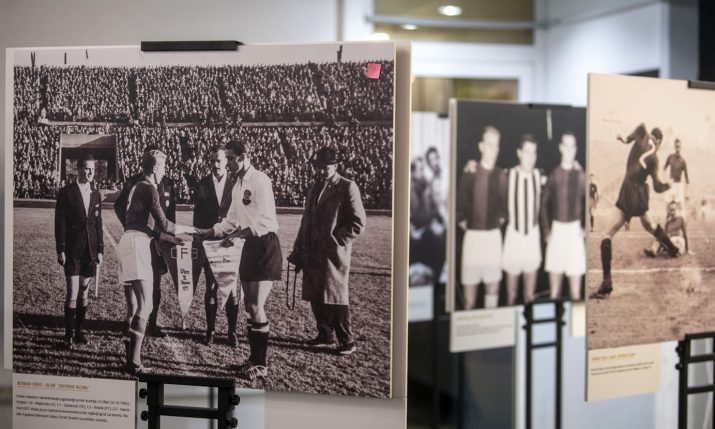
The exhibition, titled “Bernard Vukas – gospodar baluna” (Bernard Vukas – Master of the Ball), opened on Saturday, 11 July, at the House of Fame of Split Sport (Kuća slave splitskog sporta) and presents the life and career of a player who became one of the defining figures of Croatian football history.
Organised through photographs, archive footage and testimonies from those who knew and followed his career, the exhibition highlights Vukas’ sporting achievements, personality and deep connection with Hajduk Split and the city of Split.
Attending the opening was Split Mayor Tomislav Šuta, who said Vukas represented much more than sporting success.
“Some athletes win trophies, while others become part of the identity of a city through their talent, character and relationship with their club. Bernard Vukas belongs to that rare group of greats,” Šuta said.
The mayor added that exhibitions such as this play an important role in preserving the memory of people who helped promote Split and Croatia internationally through their dedication and achievements.
(Photo: Grad Split)
Bernard Vukas is widely regarded as one of the finest Croatian footballers of the 20th century.
Known by his nickname “Bajdo”, Vukas spent much of his career with Hajduk Split, where he became a club icon and one of the most celebrated players of the team’s historic era.
A technically gifted winger known for his dribbling, creativity and football intelligence, Vukas represented Yugoslavia internationally and was considered among the leading European players of his generation. He played at the 1954 and 1958 FIFA World Cups and was selected for the European team that played against Great Britain in the famous 1953 match at Wembley.
During his career, Vukas won domestic honours with Hajduk and became admired not only for his ability on the pitch but also for his loyalty and connection with supporters.
(Photo: Grad Split)
His famous quote, “If I were born again, I would still be a Hajduk player”, remains a lasting symbol of his relationship with the club and the city.
The exhibition allows visitors to discover Vukas’ journey through rare photographs, historical materials and personal stories that document his influence on Hajduk, Split and Croatian sport.
(Photo: Grad Split)
Organisers said the exhibition aims to introduce younger generations to a player whose achievements and values continue to inspire athletes today.
A century after his birth, Bernard Vukas remains remembered as more than a footballer, he is regarded as one of the sporting figures who helped shape the identity of Split and left a lasting mark on the history of Croatian football.
(Photo: Grad Split)