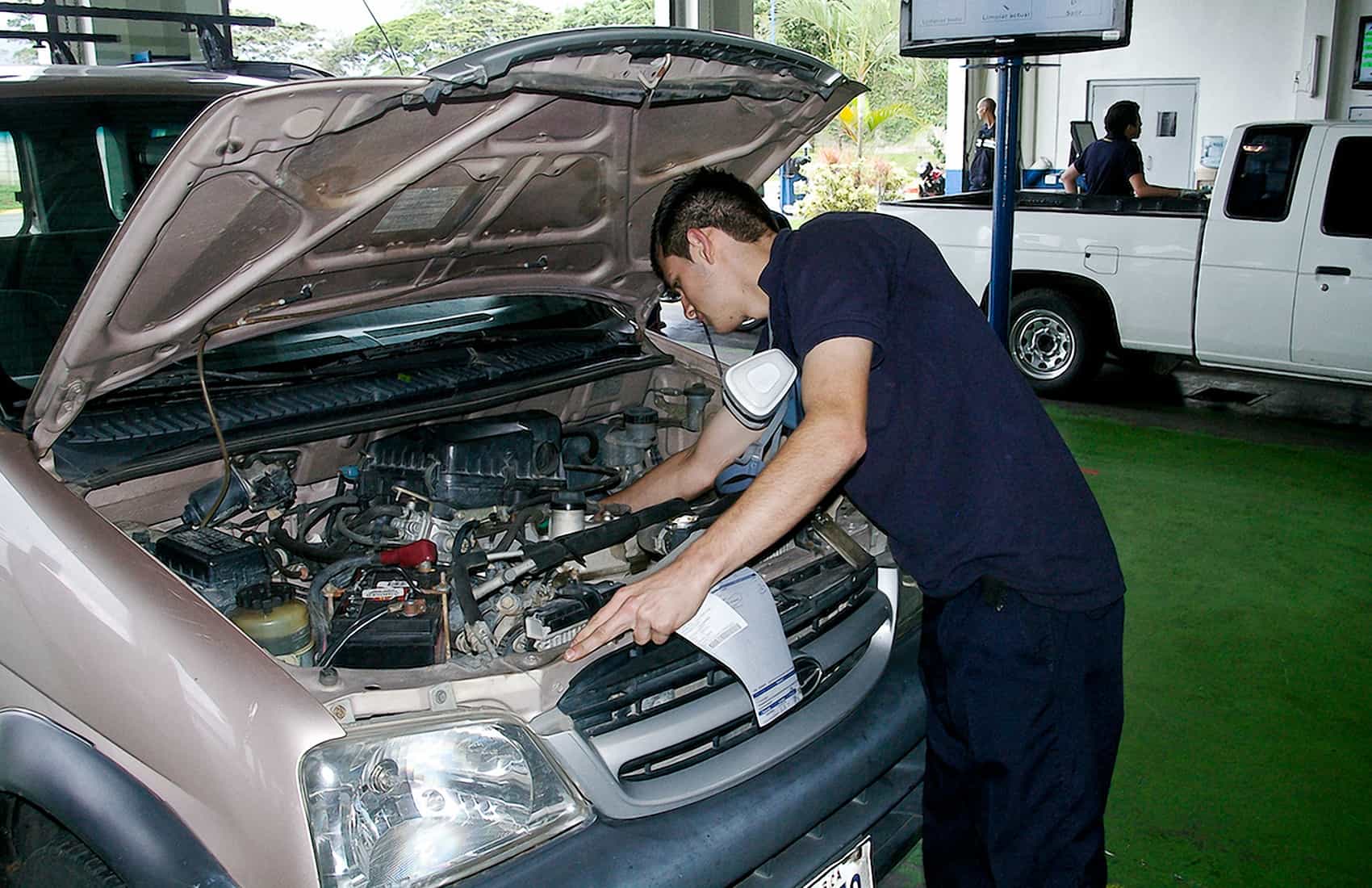
More than one-third of the vehicles presented for Costa Rica’s mandatory technical inspection failed on their first attempt during 2025, with excessive emissions, worn tires and brake problems among the most common reasons for rejection. The figures show that 36.23% of periodic inspections ended with an unfavorable result. The remaining 63.77% of vehicles received approval during their initial visit.
Passenger cars recorded a first-time rejection rate of 36.5%, while 27.1% of motorcycle inspections ended in failure. The figures cover inspection visits rather than the number of individual vehicles on Costa Rican roads. Some categories, including taxis and heavy commercial vehicles, must undergo inspections twice each year.
Costa Rica recorded more than 2.47 million inspection-related services during 2025. About 1.79 million were regular inspections, while the remainder included reinspections and procedures for vehicles entering the country. Heavy trucks posted the highest rejection rate among the categories included in the report. Of the 59,275 heavy trucks inspected, 53.27% failed. Taxis followed closely, with 51.67% of the 5,615 units inspected receiving an unfavorable result.
For passenger vehicles, emissions above the permitted limit were among the leading causes of failure. Inspectors also frequently identified excessive tire wear, braking defects, front-wheel alignment problems, damaged exhaust systems, poorly aimed headlights and looseness in suspension components.
Motorcycles mostly failed because of high carbon monoxide emissions, insufficient tire tread, defective brakes, lighting problems, missing reflective devices and license plates that could not be properly identified. The inspection results also revealed less serious defects that did not always result in immediate rejection. On cars, these included minor oil seepage, noncompliant window tint, small transmission leaks, exhaust deterioration and damaged lights.
Motorcycles frequently received observations for poorly legible plates, uneven tire wear, lighting defects and minor damage to transmission components. The age of Costa Rica’s vehicle fleet remains another important factor. Passenger cars brought to inspection during the year were nearly 19 years old on average. Motorcycles had an average age of approximately nine years.
Despite the high rate of failure during initial inspections, more than 85% of reinspections ended in approval. The figures show that most owners repaired the defects identified during the first visit and returned with vehicles that met the required standards.
Costa Rica’s inspection process examines mechanical, electrical and electronic systems, pollutant emissions and equipment related to active and passive safety. The system is intended to identify defects that could increase the risk of crashes or leave unsafe vehicles circulating on public roads.
Emissions, tires, brakes and lights remained the problems most likely to determine whether a vehicle left the inspection station with approval or a return appointment.