Aqaba represents one of the most prominent tourist and economic destinations in Jordan, bringing together natural, historical, and cultural elements in one place. These media dispatches showcase the city and governorate’s most prominent landmarks—from archaeological and religious sites to beaches, nature reserves, and economic projects—aiming to highlight its national value and its role as Jordan’s maritime gateway and a hub for tourism and investment.اضافة اعلان
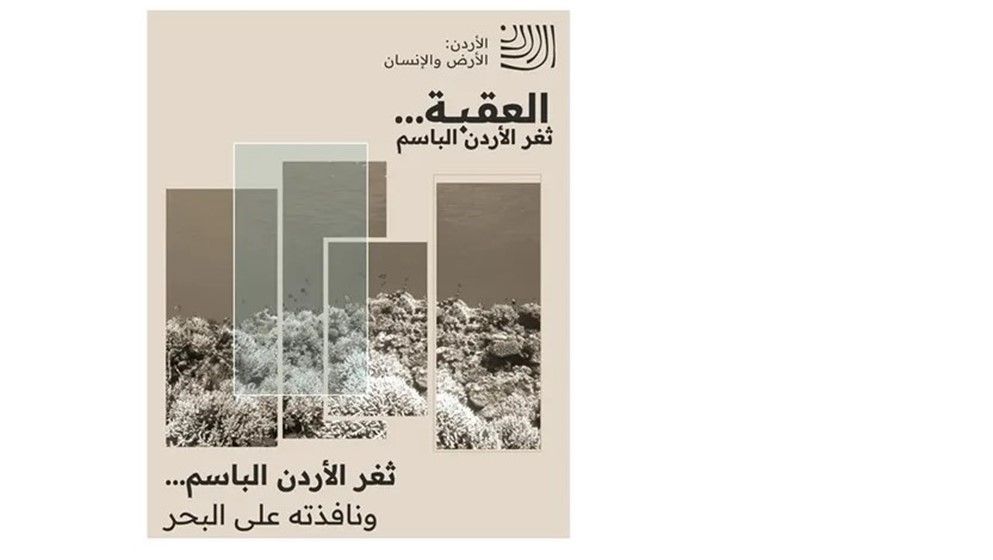
Aqaba is Jordan’s “smiling teeth” (bright gateway) and its maritime window to the world. It brings together the blue of the sea with the vastness of the desert, and the majesty of the mountains with the depth of history, presenting a Jordanian portrait of beauty, strength, and life.
Aqaba is a coastal city that tells a grand national tale, beginning from caravan routes and the ports of Ayla, passing through the memory of the Great Arab Revolt, and continuing its presence today as a city vibrant with tourism, economy, and development.
In Aqaba, the elements of the place integrate seamlessly: the sea is a space for beauty, diving, and marine life; the desert is a memory of heroism and passage; the port is an economic artery; and history stands witness to a city that forged its status through the ages.
Aqaba combines the charm of nature with the depth of identity. Beneath its waters lies a coral world, while upon its sands, the Great Arab Revolt wrote a decisive chapter of freedom. Between the two, Jordan’s story on the Red Sea is constantly renewed.
From its clear gulf to its archaeological sites, and from its coral reefs to its castle and the Revolt’s banner, Aqaba offers a rare Jordanian experience where eco-tourism, cultural tourism, and historical tourism meet in a single landscape.
Aqaba is a city of life and renewal. Its sea holds natural wealth, its desert preserves the memory of victory and freedom, and its present witnesses tourism and economic projects that make it Jordan’s gateway to the future.
Wadi Rum camps offer an authentic Bedouin experience under the desert sky, combining the magic of mountains and sands, generous hospitality, and the brilliance of the stars, giving visitors an unforgettable tale of adventure, serenity, and the memory of the Jordanian Badia.
The Gulf of Aqaba, an arm of the Red Sea and Jordan’s maritime window, embraces turquoise waters and unique marine environments. Along its shores begins the story of the sea in Jordan, where its waters once carried ships, trade, and life, and it continues to offer visitors a clear view that combines natural beauty, a serene horizon, and deep cultural connection.
The Port of Aqaba is Jordan’s maritime artery and its vital gateway to the world. Through it, the Kingdom opens up to seas and markets, and trade and goods cross toward broader horizons. It is not merely a dock for ships, but a symbol of Aqaba’s economic and strategic importance, and a testament to the city’s role in connecting Jordan to its regional and global surroundings over time.
The Sharif Hussein bin Ali Mosque is a beacon in the heart of Aqaba. With its domes, minarets, and architectural details, it blends the beauty of Islamic architecture with the serenity of the place and its spiritual purity. It evokes the name of the leader of the Great Arab Revolt in an atmosphere of faith and majesty, giving the city a peaceful point of balance amid its fast-paced tourist and commercial rhythm.
Wadi Araba is a unique geological and historical extension that carves through southern Jordan from the Dead Sea to the Gulf of Aqaba. Its desert is not a void, but an open book whose rocks and valleys preserve the memory of caravans, minerals, water, and settlement, telling the story of human ability to create life, trade, and mining in the harshest environments.
Aqaba Castle is a historic fortress on the Red Sea shore that witnessed successive Mamluk and Ottoman eras. It stands as a witness to fortification and the memory of the Great Arab Revolt. The castle revives military and national memory, serving as a landmark that preserves the city’s story from the age of fortresses to the moment the banner was raised.
The Islamic City of Ayla is a testament to Aqaba’s prosperity during the early Islamic era. Its ruins reveal a commercial, scholarly, and religious community that made the city a major stop on the Red Sea, a vital link between Egypt, the Levant, and the Hejaz, and a center where trade and urban life flourished since the dawn of the Islamic era.
The Aqaba Church is one of the oldest testaments to the Christian presence in the region. Built near the shore in a city that was a meeting point for merchants and travelers, its structure is modest, yet it holds exceptional value as a memory of early faith, a witness to Aqaba’s spiritual and cultural diversity, and a testament to Ayla’s religious and commercial standing during the Roman and Byzantine eras.
The Great Arab Revolt Square is a national open space facing the sea and history. It embraces the symbols and the banner of the Revolt, offering visitors to Aqaba a space to reflect on the beginnings of Arab liberation. Here, Sharif Hussein bin Ali and the banner are ever-present, turning the marine view into a living national memory that completes Aqaba’s historical journey from the sea to the Revolt.
The Nabataean Temple in Wadi Rum stands as a witness to the spiritual and cultural dimension of the Nabataeans in the heart of the desert, where worship met water and rock. Its stones and inscriptions speak a language that reveals the depth of religious and commercial life and human settlement, showing Wadi Rum as a space for life and sanctity, rather than just a transient caravan route.
Khirbat en-Nahas is one of the oldest mining sites in southern Jordan. It demonstrates how the southern mountains were transformed into a source of wealth and labor, where humans mastered the smelting and casting of minerals, using copper as a bridge between the desert and the sea, and between the earth’s resources and the trade routes extending toward Aqaba.
Humayma, or Hawra, is a site where layers of Nabataean, Roman, Byzantine, and Islamic history stack together. Its desert unfolds as a living cultural archive. Between water channels, cisterns, tombs, buildings, the Abbasid palace, and the mosque, its ruins rise to reveal a city that was a hub for trade and water, as well as a political and spiritual memory linked to the secret of the Abbasid call, making it a vital key to the history of southern Jordan.
Hujayrat al-Ghazlan is an archaeological site dating back to the Chalcolithic and Bronze Ages. It reveals one of the oldest forms of human settlement in southern Jordan. Mudbrick and stone houses stand alongside copper smelting furnaces, irrigation systems, religious symbols, wall drawings, and various artifacts, showcasing the ingenuity of ancient humans and their ability to build an integrated society that combined mining, agriculture, belief, and organization amid nature’s challenges.
Quweira Castle is a historical witness along the desert highway north of Aqaba. Its stones preserve successive layers of Nabataean, Roman, Byzantine, and Islamic presence. Overlooking the Roman Via Nova Traiana and the ancient Quweira spring, its location reveals the site’s importance as a point of surveillance, protection, water, and passage. Despite the earthquakes and repurposing it faced over time, its ruins, pottery, and rock-cut channels remain a living memory of a historic path that connected southern Jordan with civilizations, caravans, and armies.
The House of Sharif Hussein bin Ali is a national landmark that evokes the memory of the Great Arab Revolt and the beginnings of the modern Arab dream. It offers visitors a chance to draw close to the life story of a leader who carried a project of renaissance, unity, and freedom.