By Our Reporter | Smart News Liberia
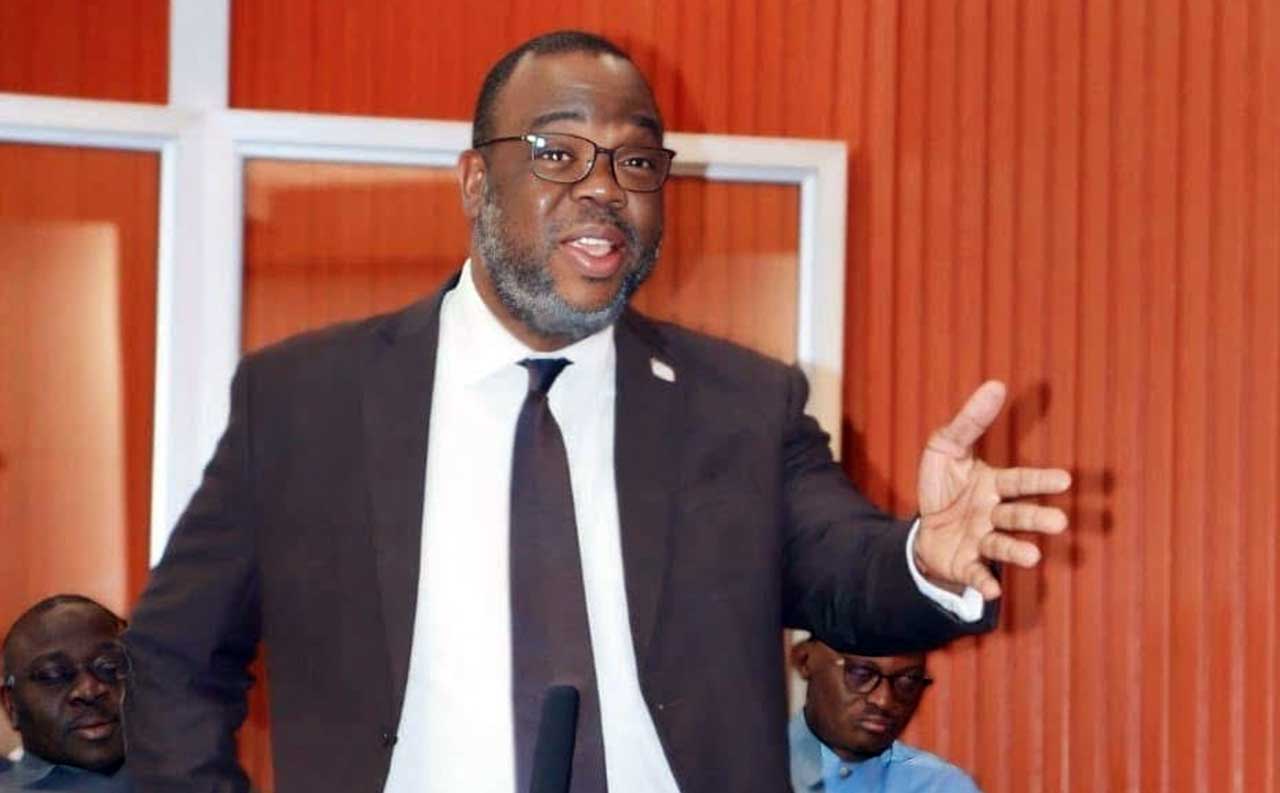
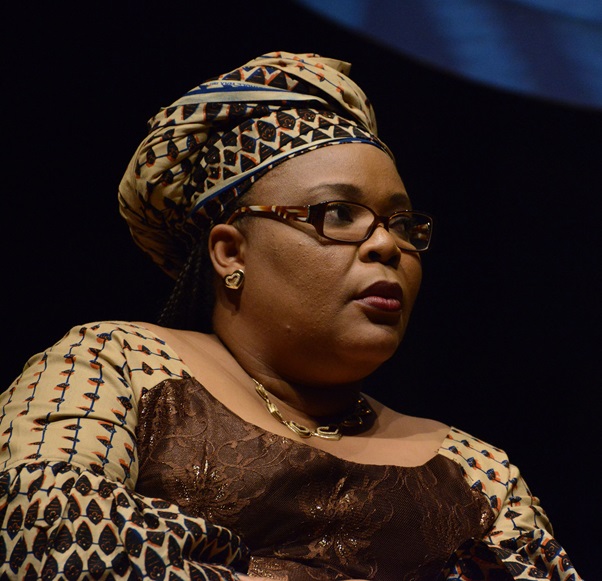
MONROVIA – A public debate has emerged in Liberia following remarks by Nobel Peace Laureate Leymah Gbowee on Wednesday, July 8, 2026, challenging the common practice of addressing elected officials and public figures with the title “Honorable,” with businessman Simeon Freeman defending the title as a recognized honorific and Montserrado County Senator Abraham Darius Dillon explaining why he personally avoids using it.
Gbowee, in a social media message shared as part of her “Wednesday Word” reflection, argued that the title “Honorable” should represent integrity, responsibility, and years of dedicated public service rather than automatically being attached to individuals who hold public office.
“Stop calling those people honorable. Honorable is a title that comes with a lot of responsibilities. It is earned through years of dedicated service with integrity,” Gbowee stated.
She questioned why some public officials introduce themselves using the title, asking:
“Who give you that name? Who told you that you are honorable?”
Gbowee encouraged Liberians to consider addressing public officials by the names given to them by their parents rather than automatically attaching titles that, in her view, should reflect demonstrated character and service.
Her comments triggered a wider discussion about political culture, public accountability, and whether official titles should be based on institutional position or personal conduct.
Responding to Gbowee’s remarks, Simeon Freeman disagreed with her interpretation, arguing that the term “Honorable” is an established honorific title used globally to recognize individuals holding certain public offices.
Freeman said the title is not intended to certify that every person addressed as “Honorable” possesses exceptional personal qualities but rather serves as a form of respect attached to public positions.
“The term ‘Honorable’ is purely an honorific word/title, meant to convey respect, social status or politeness to members of parliament, government officials or other high-ranking persons in society,” Freeman stated.
He compared the title to diplomatic references such as “Your Excellency” for presidents and ambassadors, explaining that such titles are expressions of protocol rather than judgments about an individual’s personal excellence.
Freeman cautioned that dissatisfaction with the performance of lawmakers or government officials should not lead to rejection of established forms of address.
He urged Liberians, especially young people, to continue using official titles while maintaining the responsibility of holding public officials accountable for their actions and performance.
Meanwhile, Montserrado County Senator Abraham Darius Dillon offered a different perspective, revealing that although the title is recognized under official protocol, he has personally discouraged people from addressing him as “Honorable” since becoming a senator in 2019.
In a direct response to Gbowee, Dillon said:
“From the day I was inducted as SENATOR in 2019, I advised that no one should call or refer to me as ‘Honorable.’ And to date, I still advise the same.”
Dillon explained that he prefers to be addressed as Senator Abraham Darius Dillon, Abe Darius Dillon, Darius Dillon, Mr. Dillon, or simply ADD.
He said his position on the matter is well known and that many people can testify to his preference.
The contrasting views from Gbowee, Freeman, and Dillon highlight a deeper conversation about leadership, respect, and accountability in Liberia.
While Gbowee’s argument focuses on the belief that honor must be earned through ethical conduct and public service, Freeman maintains that “Honorable” remains a traditional title attached to public office. Dillon’s position reflects a personal decision to separate his official role from the title.
The debate comes at a time when Liberians continue to demand stronger accountability from public officials, making discussions about political titles, responsibility, and public trust increasingly relevant.
Ultimately, the controversy raises a broader question: should titles attached to public office simply reflect institutional status, or should they represent a standard of conduct that officials must continuously earn through their service to the people?