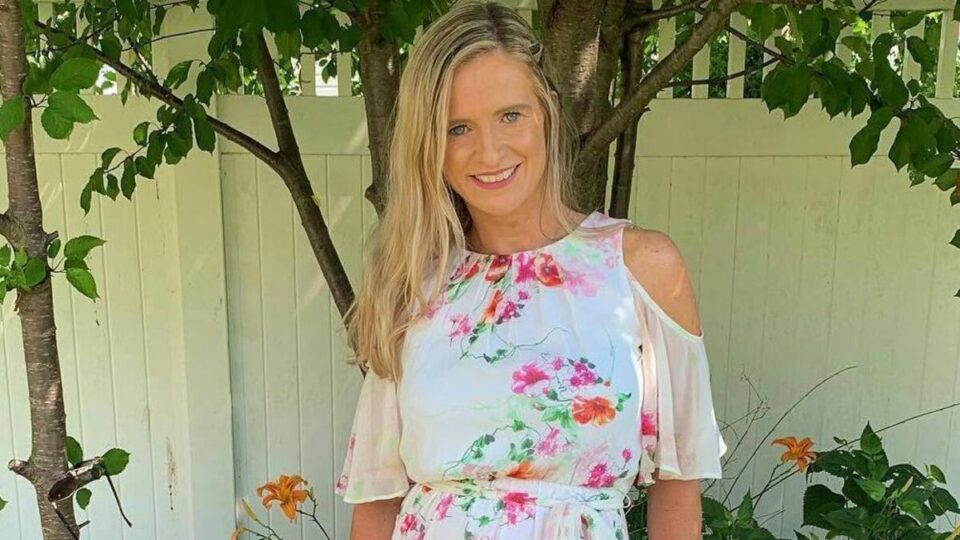
A woman, Jamey Carney – mother to a 13-year old girl – has been brutally murdered in a picturesque Kerry town, and a manhunt is underway for the man suspected of killing her. Yet the name of the suspect has not been released nor his photo.
He could be walking towards you right now and An Garda Síochána has not released the information you would need to know that this was a suspected murderer.
RTÉ reports that “Gardaí say that for legal reasons they are not in a position to comment in detail about his age, name or nationality”. What legal reasons? The tax-payer funded station doesn’t elaborate – but everyone knows what’s happening.
It’s a very strange manhunt indeed that doesn’t release a photo but then wants the public to help with inquiries. Garda sources reportedly told media that there are concerns the man may have fled the jurisdiction. How is keeping his photo and name and nationality secret helping with that problem?
We know that photos of the suspect are available as it has been widely reported that he has moved to close down his social media accounts. The story gets more surreal by the moment.
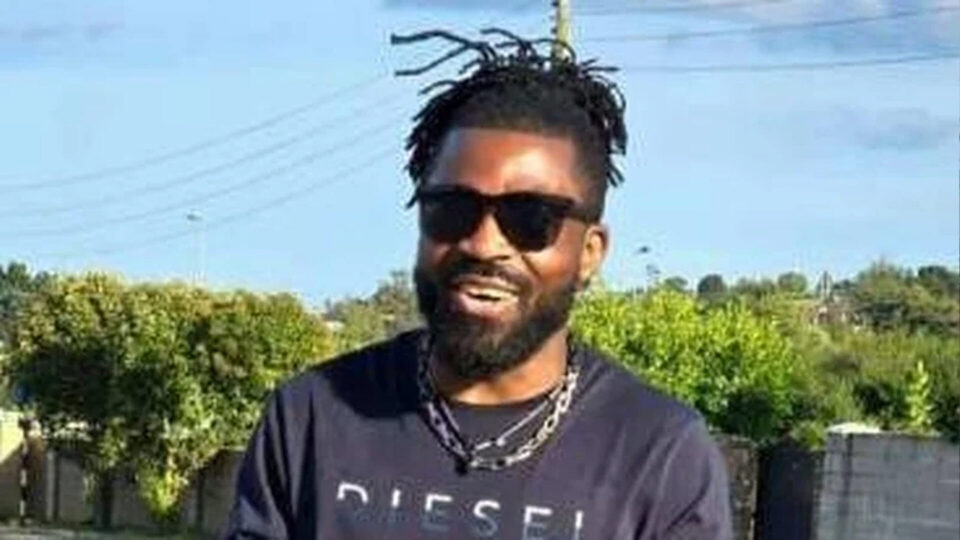
What kind of a manhunt releases no identifying details of the suspect at large? Generally any information that might help identify and catch the suspected perpetrator is shared. Take as an example, the case of a man suspected of murdering his family and “pictured fleeing to Zimbabwe two days before his wife and daughters were found dead”.
The manhunt for 42-year-old Ndodana Mkhanyisi Tshuma in the UK includes photos released by the police. We’d expect no less in a serious effort to catch a suspect, especially where a crime is particularly violent.
Ms Carney was brutally beaten in her own home, and her body – covered with bedclothes – was found in her bed. She has been described as a loving and dedicated mother. Her daughter is believed to have found her mother’s body, an enormously traumatic event for a young girl, or for any person.
Yet we have these surreal reports of manhunts in the Irish media today, where Gardaí are withholding crucial information in regard to the suspect in the murder of a woman in Killarney and won’t explain why.
I wrote to the Garda Press Office and asked them for an explanation as to why no photo of the suspect – who is on the run – has been released, and I asked them what were the “legal reasons” for failing to release his “age, name or nationality”.
They did not answer my questions and pointed instead to two releases sent out by their media team which did not include the necessary information.
There’s a clue in what has been reported about the suspect in the murder case. The man lived in an IPAS centre in Killarney, and made a claim for asylum after arriving here in 2024. He knew Ms Carney and occasionally stayed at her house in the Muckross Road area of the town.
Is that relevant what is happening here? Are the media and An Garda Síochána adhering to a section of the International Protection Act 2015 which prohibits the identification of persons seeking asylum in Ireland?
As reported by Gript’s Fatima Gunning last year, in the case of the first ever prosecution brought under the Act, “the law in question, as it is written, amounts to a blanket ban on the publication of the identity of a person who is an international protection applicant with the intention of preventing the person/persons they are fleeing from locating them.”
“This means that even asylum seekers who are convicted of crimes cannot be identified as such. As avid news readers will be aware, many media outlets, this one included, have reported on cases before the courts and elsewhere where those involved were identified as asylum seekers.
“Although the law came onto the statute books a decade ago, it was generally little known among journalists (and I think it’s fair to say this is still the case) but has risen to prominence in recent months, perhaps due to the increasing numbers of asylum seekers being brought before, particularly, the criminal courts.
“While the instinct of the legislation is, on face value at least, noble in nature, I would submit that the effect it has on public interest journalism is too great to justify.”
“When a person who is seeking the protection of the Irish state is charged or convicted of a criminal offence, it is my belief that the Irish people, who are paying for that person’s presence in the state, have a right to know.”
What makes all of this even more bizarre is that the suspect has already been identified on social media platforms, the same platforms AGS and politicians rail against on a regular basis for ‘misinformation’. But if gardaí are failing to release critical information, which is surely in the public interest given the violent nature of the crime and the suspect-at-large, then people will seek that information elsewhere.
Ms Carney suffered serious head injuries in what appears to have been a horribly violent assault in her home. TDs in the Dáil were busy decrying violence against women and demanding action. Perhaps a serious effort at tackling same could face up to some hard truths about recent changes to the country, and reverse any provision which gives cover to anyone suspected of inflicting a murderous attack on any woman.