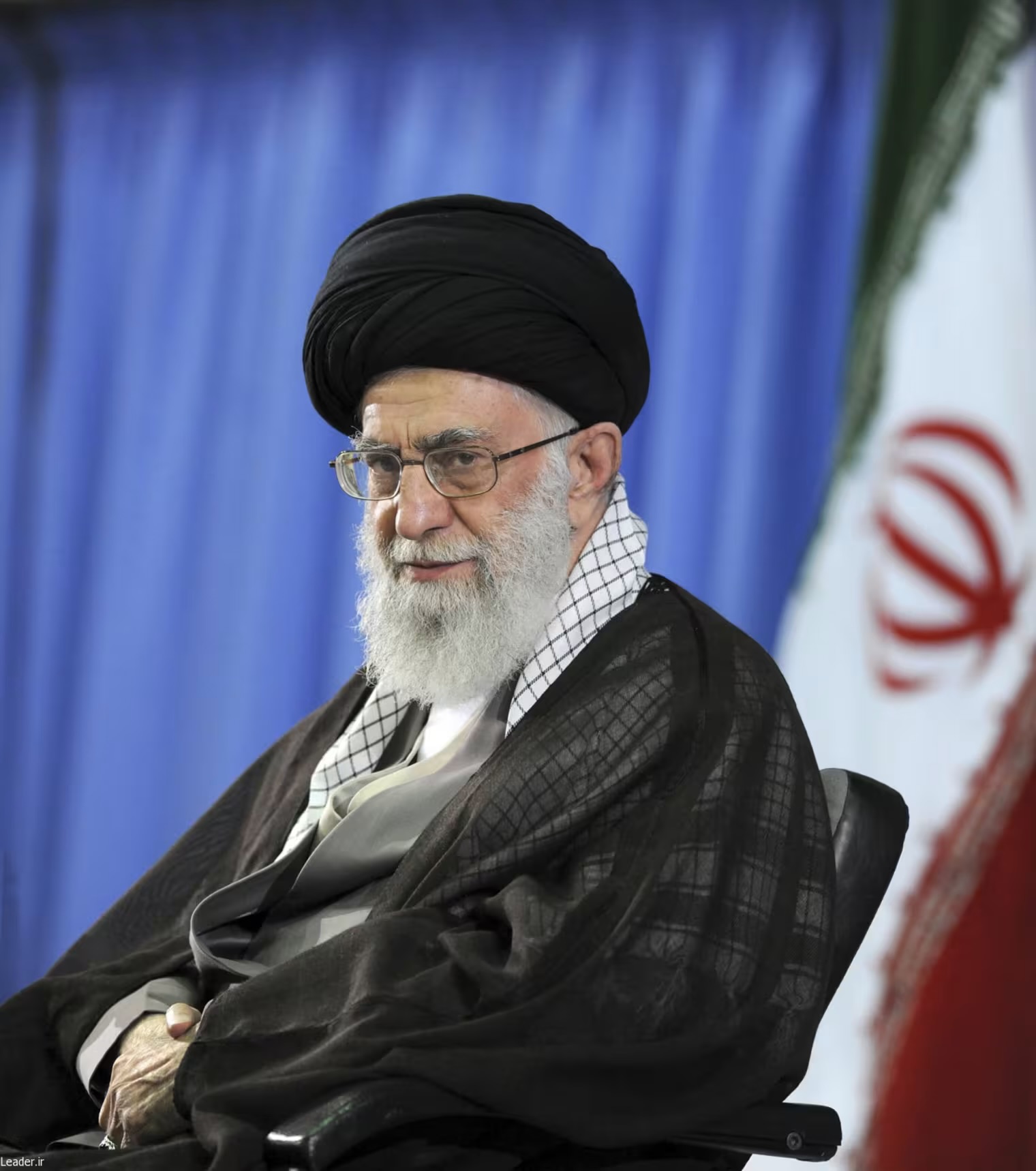
The former Minister of Foreign Affairs of Bosnia and Herzegovina, Bisera Turković, criticized the current government, mostly the Chair of the Presidency of Bosnia and Herzegovina, Denis Bećirović, considering that Bosnia and Herzegovina failed to send a single representative to the memorial service and Janaza (funeral) for the former Iranian Supreme Leader Ali Khamenei.
Turković said that the first President of the Presidency of Bosnia and Herzegovina, Alija Izetbegović, knew how to build relations with the East and the West, and that Bosnia and Herzegovina defended itself thanks to the bravery of these people, and the help that arrived from different sides of the world.
“During our hardest times, we were not alone. The United States, Iran, Pakistan, Malaysia, and many other countries helped us. Thanks to that support, with the determination of our fighters, Bosnia and Herzegovina survived. Today, a serious question arises: if Bosnia and Herzegovina faces the existential threat once again, who would give us a hand? Except NATO, which already failed us? Who would stand with Bosnia and Herzegovina today? The response is not encouraging at all,” she said.
Today’s government, she thinks, is leading an external policy without a foreign strategy, continuity, and, most dangerously, without political bravery.
“The Bosniak member of the Presidency, Denis Bećirović, lacks the courage to advocate for self-governing and principled foreign policy, to make decisions in the interest of Bosnia and Herzegovina, even when they do not meet the will of the powerful countries or current political trends. Instead of state determination, we are witnessing a policy of calculation, avoiding responsibility, and waiting for others to make decisions for him. Instead of preserving and enhancing relations built over decades, he easily neglects them. Instead of principled diplomacy, he is leading a policy of improvisation, short-term interests, and ideological divisions. The result is that Bosnia and Herzegovina today has fewer friends than ever before, and it has not acquired a new ally who could compensate for the lost relations.
When the Srebrenica Resolution was voted on, Iran supported its adoption and, according to available statements, it influenced about 10 other countries to vote “for” the resolution. That support was crucial for its adoption.
At the funeral of President Ebrahim Raisi and Minister of Foreign Affairs Hossein Amir-Abdollahian, there were no representatives of Bosnia and Herzegovina among the official delegations. The representatives from Serbia and many other countries were present,” she added.
Now, she emphasized, when over a hundred countries sent delegations to Tehran to express condolences following the passing of the Supreme Leader of Iran, Ayatollah Ali Khamenei, Bosnia and Herzegovina again has no official representative.
“This is a man who, during the war, did everything he could to help Bosnia and Herzegovina. Richard Holbrooke emphasized more than once that Iranian arms deliveries were of crucial importance for Bosnia and Herzegovina’s survival during the war.”
Turković emphasized that this is not about whether someone agrees or disagrees with Iran’s internal policies.
“It is about a diplomatic minimum and a country’s ability to show respect to those who helped it during its hardest times. This does not require the consent of the great powers. It requires political courage. Unfortunately, Bećirović lacks that courage. It is easier to remain silent than to take responsibility. It is easier to follow others’ signals than to lead one’s own policy. It is easier to avoid moves that would spark criticism rather than protect the long-term interests of Bosnia and Herzegovina.”
She thinks that the state policy is not responsible for that, but a policy undermining the international reputation of Bosnia and Herzegovina, breaks down trust, and closes doors of crucial importance.
“If those who represent Bosniaks today and lead the country were to defend us the way they are leading its foreign policy, then we have a serious reason to be concerned. Alliances are not made overnight, and when once lost, they are often impossible to rebuild when they are needed the most. If such individuals are the ones defending us, we have lost many battles before they have even begun.”