Delaware’s current hot spell is uncomfortable and potentially dangerous, but history shows extreme summer heat is not new — and today’s conditions remain well below the state’s all-time record.
Delawareans know summer heat can be brutal.
High humidity, stagnant air and temperatures climbing into the 90s can make even ordinary errands feel exhausting. For seniors, outdoor workers, children and people with health conditions, a stretch of extreme heat is not something to shrug off.
But it is also worth keeping perspective.
Delaware has had heat waves for generations. The state’s most extreme heat event remains the July 1930 heat wave, when Delaware saw multiple consecutive days over 100 degrees. The all-time state record — 110 degrees in Millsboro on July 21, 1930 — still stands nearly a century later.
That matters because every summer heat wave is now often treated as if it is unprecedented, proof of an immediate climate emergency or evidence that normal life is becoming impossible. The historical record tells a more measured story.
Heat waves are part of Delaware’s climate history. They are not new. They can be dangerous. They should be taken seriously. But the current pattern does not mean the state is facing the end of normal life.
What Delaware is experiencing now is better understood as recurring summer heat — made worse at times by humidity, development and urban heat island effects — rather than a once-in-history event.
Delaware’s geography makes the state especially vulnerable to uncomfortable heat. It is flat, humid and coastal, and communities such as Wilmington, Dover and Newark include dense areas of pavement and buildings that retain heat. That can keep temperatures elevated, especially overnight, and make heat waves feel more oppressive.
Heat waves are usually caused by strong high-pressure systems, sometimes called heat domes, that settle over a region and trap hot air. These systems block cooler air from moving in, reduce cloud cover and allow the sun to keep heating the ground day after day.
That pattern is common in the Mid-Atlantic, especially from late June through August.
Recent summers have included multiple multi-day heat waves in Delaware, including heat events in 2024, 2025 and 2026. Some brought temperatures in the mid-90s to near 100 degrees, with heat index values topping 100 degrees.
That is serious weather. It is also not the same as saying Delaware is experiencing a continuous climate disaster.
The better takeaway is this: Delaware is seeing recurring heat waves, and long-term temperatures have been rising, but the state has also endured extreme heat before. The 1930 benchmark remains far above most modern heat events. The summer of 2010 stands out as Delaware’s warmest summer since 1895, not because of a single record-setting spike, but because of persistent season-long warmth.
That distinction is important.
A heat wave can be dangerous without being unprecedented. Climate trends can deserve attention without requiring panic. Public officials can urge caution without suggesting catastrophe. Families can prepare for hot weather without believing the world is coming to an end.
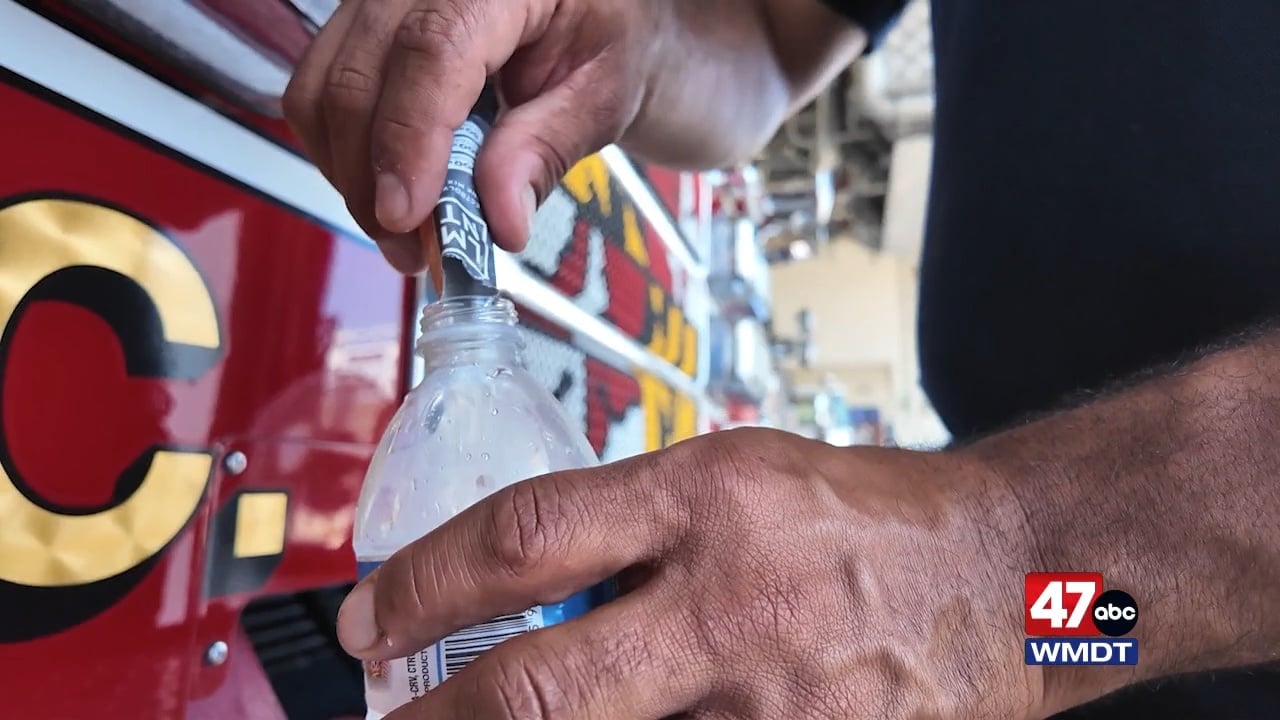
For readers, the practical advice remains simple: Stay hydrated, check on older neighbors and relatives, avoid unnecessary outdoor work during the hottest part of the day, use cooling centers when needed and never leave children or pets in a vehicle.
Delaware should continue to plan responsibly for hotter summers, especially when it comes to energy reliability, public health, housing, tree cover and emergency response.
But responsible planning is different from alarm.
The record shows Delaware has always had dangerous heat. The current heat wave deserves attention, not exaggeration.
To Go Box
- What to know: Delaware’s all-time heat record remains 110 degrees, set in Millsboro on July 21, 1930.
- Why it matters: Current heat waves can be dangerous, especially when humidity pushes the heat index above 100 degrees, but they are not unprecedented in state history.
- How to stay safe: Drink water, limit outdoor activity during peak afternoon heat, check on elderly neighbors and use air-conditioned spaces when needed.
- What to watch: Local forecasts, heat advisories, cooling center announcements and utility alerts during extended periods of high demand.
Delaware LIVE collaborates with a network of professional journalists to cover a diverse range of stories across various fields. Staff Writers include experienced journalists and young professionals. If you have questions, please feel free to contact [email protected] or our publisher, George D. Rotsch, at [email protected]