Your support helps us to tell the story
From reproductive rights to climate change to Big Tech, The Independent is on the ground when the story is developing. Whether it’s investigating the financials of Elon Musk’s pro-Trump PAC or producing our latest documentary, ‘The A Word’, which shines a light on the American women fighting for reproductive rights, we know how important it is to parse out the facts from the messaging.
At such a critical moment in US history, we need reporters on the ground. Your donation allows us to keep sending journalists to speak to both sides of the story.
The Independent is trusted by Americans across the entire political spectrum. And unlike many other quality news outlets, we choose not to lock Americans out of our reporting and analysis with paywalls. We believe quality journalism should be available to everyone, paid for by those who can afford it.
Your support makes all the difference.Read more
Opposition and civil society groups are protesting Congo’s new ban on public demonstrations and mass gatherings in the capital and other areas far from the country’s deadly Ebola outbreak, alleging that the decision aims to limit freedom of speech.
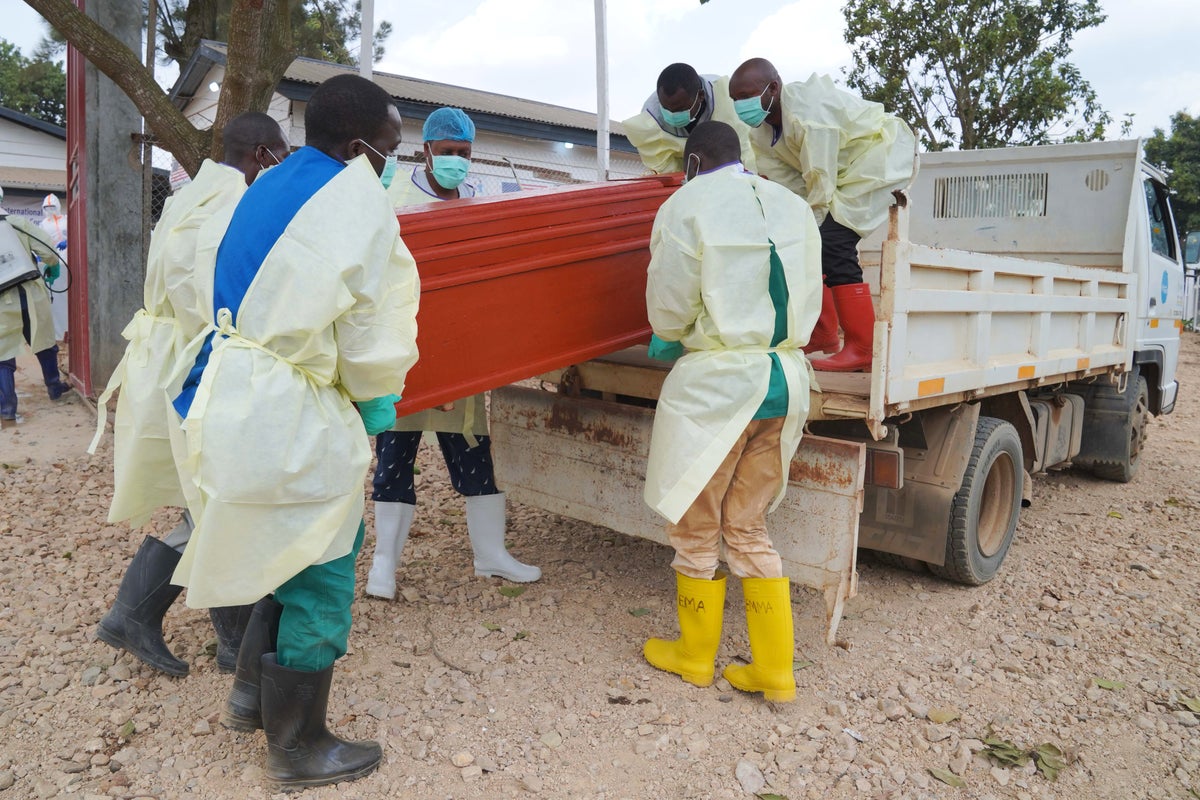
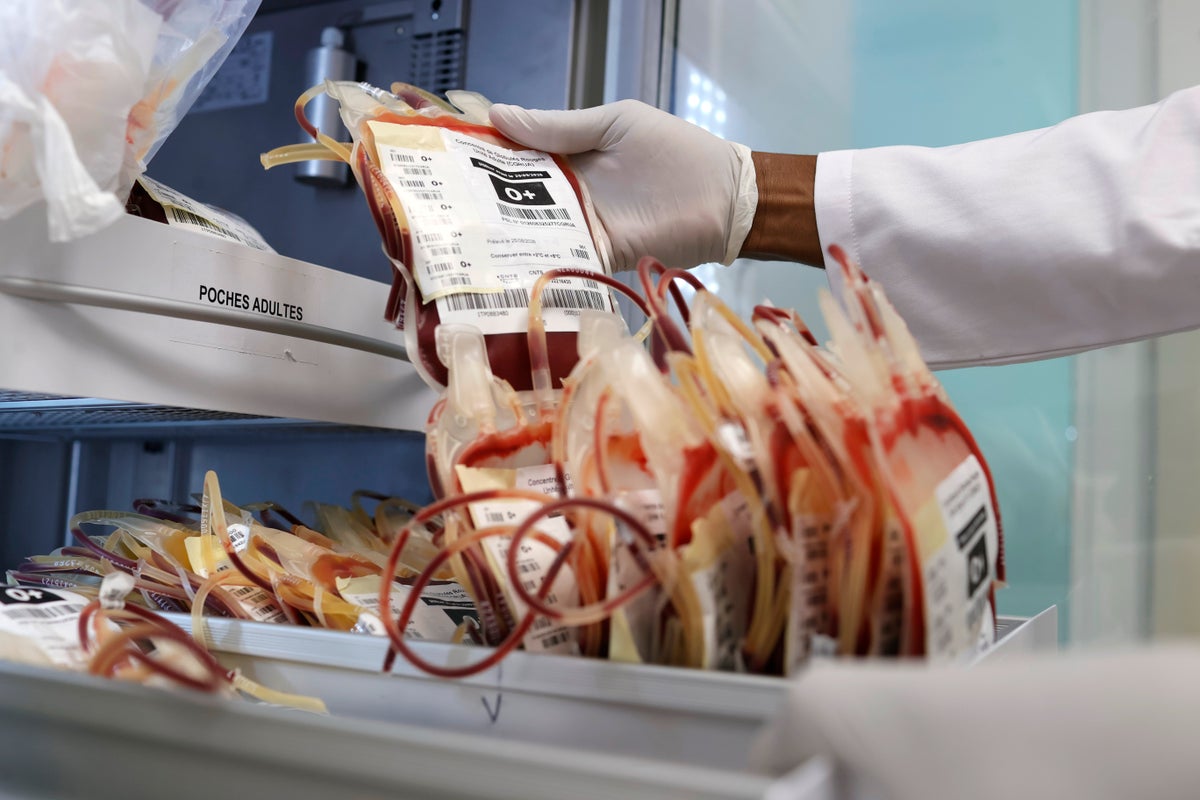
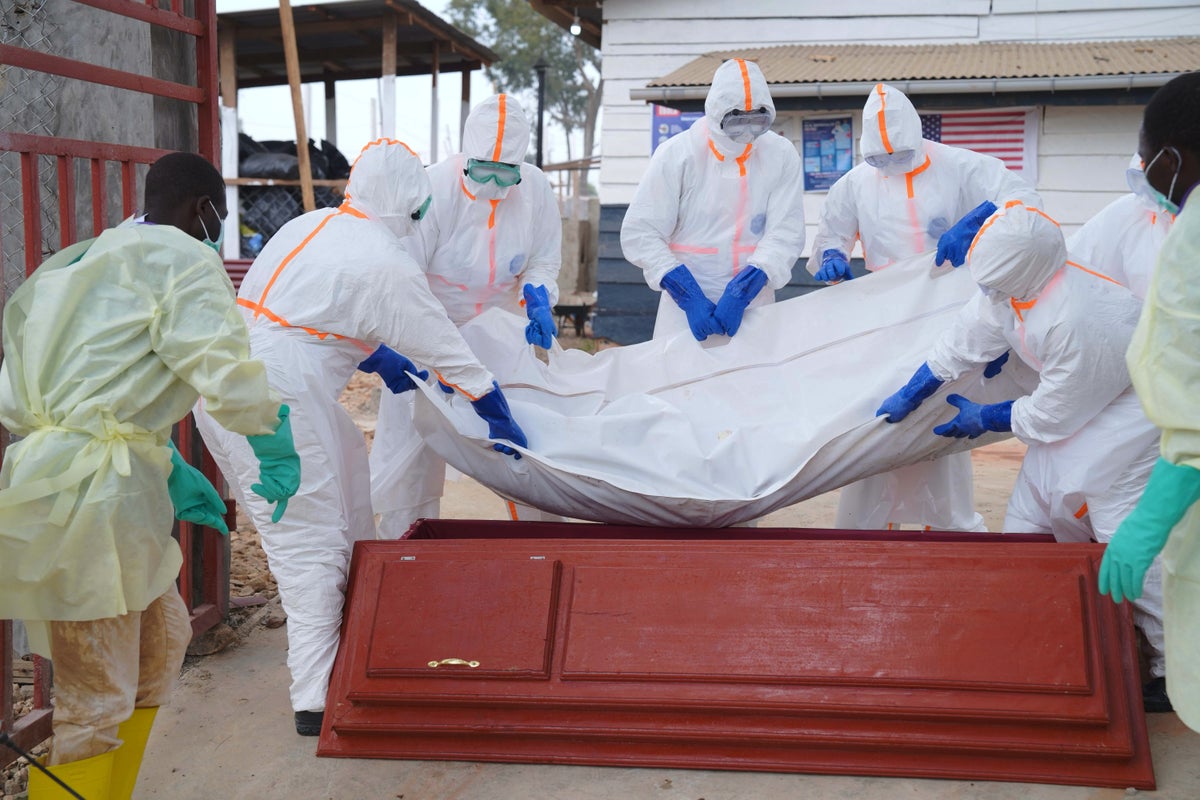
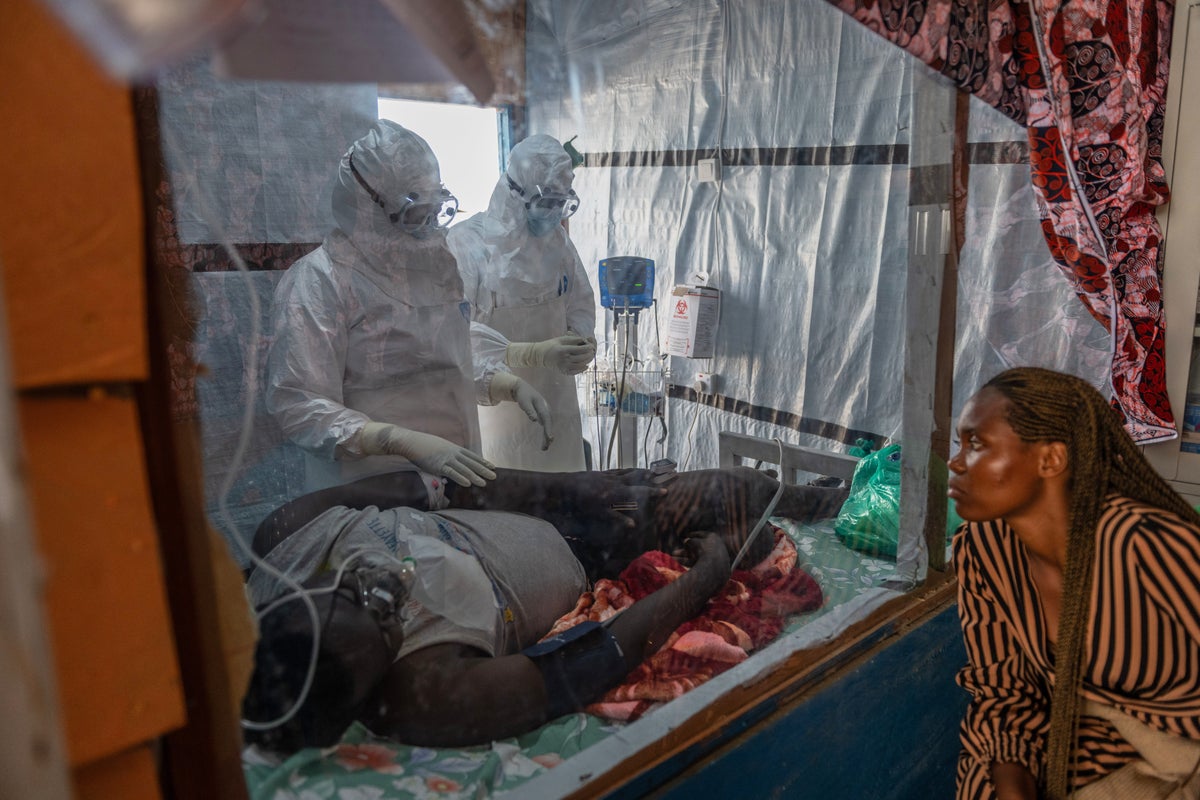
The decision announced over the weekend came as the outbreak of a type of Ebola with no approved treatment or vaccine continues to grow, with 1,307 people infected and 377 dead across three provinces in eastern Congo. It could be the worst Ebola outbreak yet.
Congo’s ministry of interior on Saturday said gatherings and demonstrations were forbidden in the provinces of Kinshasa, Tshopo, Haut-Uele and Bas-Uele as fears grow about the outbreak spilling into new areas. None of the provinces have any confirmed cases.
Separately, the mayor of Goma, eastern Congo’s largest city and now under the control of the Rwanda-backed M23 rebel group, also banned public gatherings and demonstrations, including celebrations linked to sport events, on Monday. Congo is in its first World Cup in over half a century.
Congo’s political opposition has denounced the ban as unconstitutional. Prince Epenge, the spokesperson for the Lamuka coalition, has said the ban aims to prevent a planned demonstration in the capital, Kinshasa, early next month. The protest is against proposed constitutional changes that would allow Congo’s President Felix Tshisekedi to run for a third term.
Civil society organizations also condemned the ban in a statement on Monday, citing freedom of speech and freedom of assembly.
In a televised address on Monday evening, Tshisekedi announced a $319 million response plan to the Ebola outbreak, and called on people to respect health guidelines, report suspected cases and not give in to misinformation. He did not directly address the bans.
“Ebola is neither a rumor nor a source of shame,” Tshisekedi said. “It is a health emergency that demands responsibility, solidarity, and truth.”
Health workers have reported some skepticism and attacks over Ebola from residents in the affected areas of Ituri, North Kivu and South Kivu provinces.
Cases also have been confirmed in neighboring Uganda, as well as one in France in a doctor who returned from Congo.
The United Nations warned in a report on Tuesday that if the virus spreads into other neighboring countries including Rwanda and Angola, it could cost Africa up to $3.6 billion and result in 328,000 job losses.
More than a month into the outbreak, officials believe it continues to outpace response efforts and no one knows its true scale. They are yet to identify patient zero and struggle to trace contact cases.
The World Health Organization has warned that violence from rebels in eastern Congo is complicating the response to the outbreak. In Ituri, attacks by the Islamic State group-backed Allied Democratic Force have cut off access to many villages and forced people to flee their homes, adding to already overcrowded camps of people displaced by years of conflict.
___
Pronczuk reported from Dakar, Senegal. Associated Press writer Janvier Barhahiga in Bukavu, Congo, contributed to this report.