Author: Michael Daniel | Published: 4 hours ago
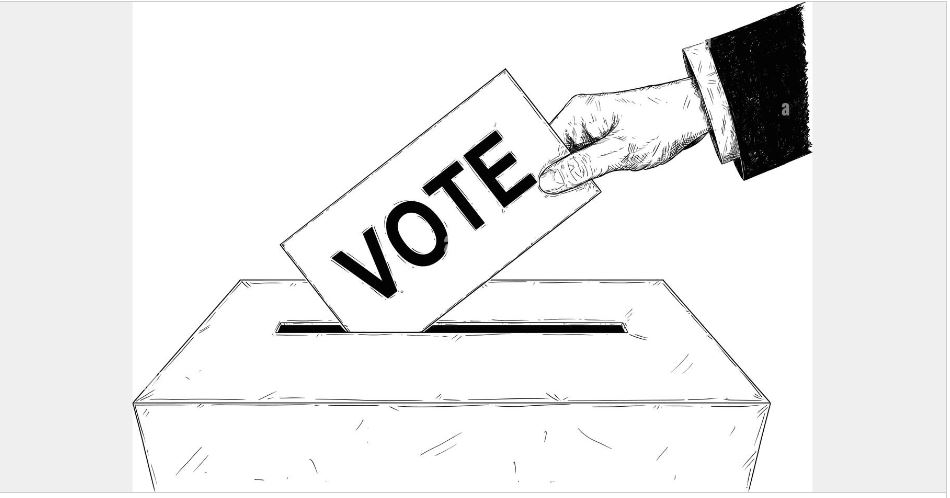
CIVIC PROCESS: This sketch image shows a hand casting a ballot paper into a ballot box. — Courtesy
The National Elections Commission (NEC) has outlined legal, financial, and logistical constraints that require resolution after announcing December 22, 2026, as the date for South Sudan’s general elections.
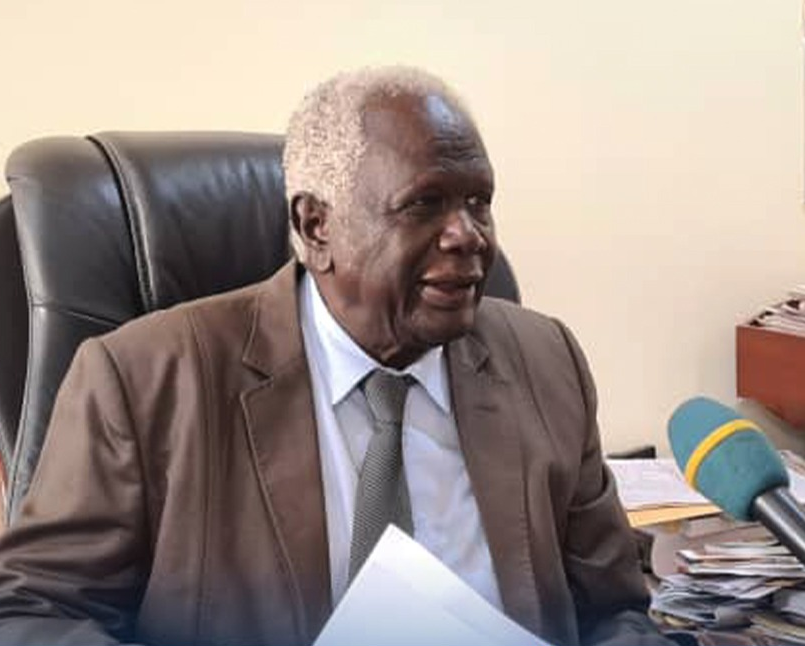
Speaking at a media briefing on Monday, June 22, 2026, NEC Chairperson Prof. Abednego Akok Kacuol stated that the period between the announcement and the poll date satisfies Article 16(1) of the National Elections Act, 2012 (as amended in 2023). The provision mandates that the commission declare the polling date at least six months in advance.
Prof. Kacuol stated that the electoral timeline faces constraints. He called on the government to pass legal amendments, release funds, and provide operational support over the remaining months.
Technical Roadmap and Timelines
The commission stated it will begin operational implementation. The next steps for the transition period include:
-
Electoral Timetable: An operational schedule for state execution is being finalized and will be released before the end of June.
-
Voter Registration: The registration of voters is projected to take one month. Following completion, voter rolls will be displayed at stations for public review and verification.
-
Resource Distribution: The NEC will begin the distribution of materials across the states, with delegations scheduled to visit administrative areas.
Funding Deficit
The baseline cost to execute the national elections stands at $250 million. Thus far, the government has disbursed $21 million, leaving a funding gap.
Total Funding Needed: [████████████████████████████████████████] $250 Million
Amount Disbursed: [██] $21 Million (8.4%)
Remaining Deficit: [██████████████████████████████████████] $229 Million (91.6%)
Legal Gaps
Prof. Kacuol emphasized that resolving statutory contradictions requires intervention from parliament. The legal gaps involve reconciling the National Elections Act with the peace agreement framework regarding regulations and boundary delimitations.
The chairperson noted that failure to address these contradictions before publishing voter registries risks future legal challenges.
Addressing concerns regarding political commitment and security, the chairperson delineated the boundaries of the NEC mandate. While the commission has formed an election security body and conducted technical training, the security of the polling environment remains a state obligation.
“The government remains the principal authority responsible for ensuring a secure environment for the electoral process,” Kacuol stated.
Prof. Kacuol concluded by calling on citizens to participate in the process, stating that voting is the method through which leaders attain power.
He requested the media to disseminate information regarding the December 22 date to increase public awareness and civic participation.
Previous Post
NEC Chairperson urges South Sudanese to vote, says it is their constitutional right