By: Staff Writer
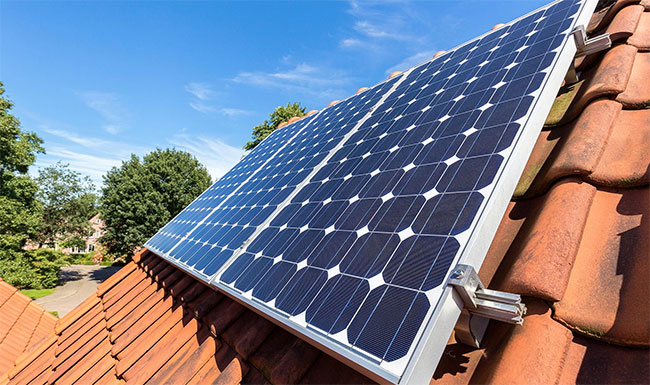
June 21, Colombo (LNW): As Sri Lanka races toward a cleaner energy future, a growing number of households, businesses, and industrial facilities are embracing rooftop solar power systems and battery energy storage technologies. While these innovations promise lower electricity bills, greater energy independence, and reduced carbon emissions, experts are warning that the country’s rapid renewable energy expansion may be outpacing critical safety measures.
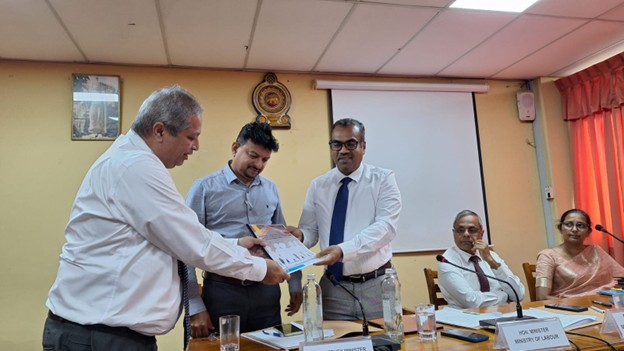
The issue came under the spotlight at a recent technical forum organised by the Institution of Engineers, Sri Lanka (IESL), where regulators, utility engineers, renewable energy specialists, consultants, academics, and technology providers examined the emerging risks associated with modern solar and battery installations.
Industry professionals say the transformation of ordinary electricity consumers into energy producers has fundamentally changed the country’s power landscape. However, this shift has also introduced a range of technical challenges that could threaten public safety if not properly addressed.
One of the most pressing concerns involves direct current (DC) electrical faults within rooftop solar systems. Unlike conventional alternating current (AC) systems, DC faults can sustain electrical arcs for prolonged periods, significantly increasing the risk of overheating and fire outbreaks. Experts identified poor installation practices, damaged wiring, loose electrical connections, and substandard workmanship as leading causes of these incidents.
Safety specialists stress that advanced protection technologies such as Arc Fault Circuit Interrupters (AFCIs) and Rapid Shutdown Devices (RSDs) are no longer optional additions but essential safeguards for modern solar installations. These devices can detect dangerous faults and quickly isolate affected sections of a system before they escalate into major emergencies.
Concerns were also raised about the increasing number of installations using non-compliant equipment or undergoing unauthorised modifications after commissioning. Such practices can undermine both safety and performance, creating hidden hazards that may remain undetected until a serious incident occurs.
Regulators and engineers argue that the renewable energy sector’s success should not be measured solely by the number of megawatts installed. Instead, equal emphasis must be placed on quality standards, compliance, inspection regimes, and long-term operational safety.
Public Utilities Commission of Sri Lanka officials highlighted the need for stronger technical oversight as distributed energy resources continue to expand across the country. Maintaining grid stability while ensuring public safety will require updated regulations, improved enforcement mechanisms, and greater collaboration among industry stakeholders.
Experts attending the forum delivered a clear message: technological advancement alone cannot guarantee safety. Proper engineering design, qualified installation personnel, routine maintenance, and continuous industry education remain essential pillars of a sustainable renewable energy future.
As Sri Lanka’s solar revolution gathers momentum, the challenge facing policymakers and industry leaders is ensuring that safety standards evolve as rapidly as the technologies themselves.