Your support helps us to tell the story
From reproductive rights to climate change to Big Tech, The Independent is on the ground when the story is developing. Whether it’s investigating the financials of Elon Musk’s pro-Trump PAC or producing our latest documentary, ‘The A Word’, which shines a light on the American women fighting for reproductive rights, we know how important it is to parse out the facts from the messaging.
At such a critical moment in US history, we need reporters on the ground. Your donation allows us to keep sending journalists to speak to both sides of the story.
The Independent is trusted by Americans across the entire political spectrum. And unlike many other quality news outlets, we choose not to lock Americans out of our reporting and analysis with paywalls. We believe quality journalism should be available to everyone, paid for by those who can afford it.
Your support makes all the difference.Read more
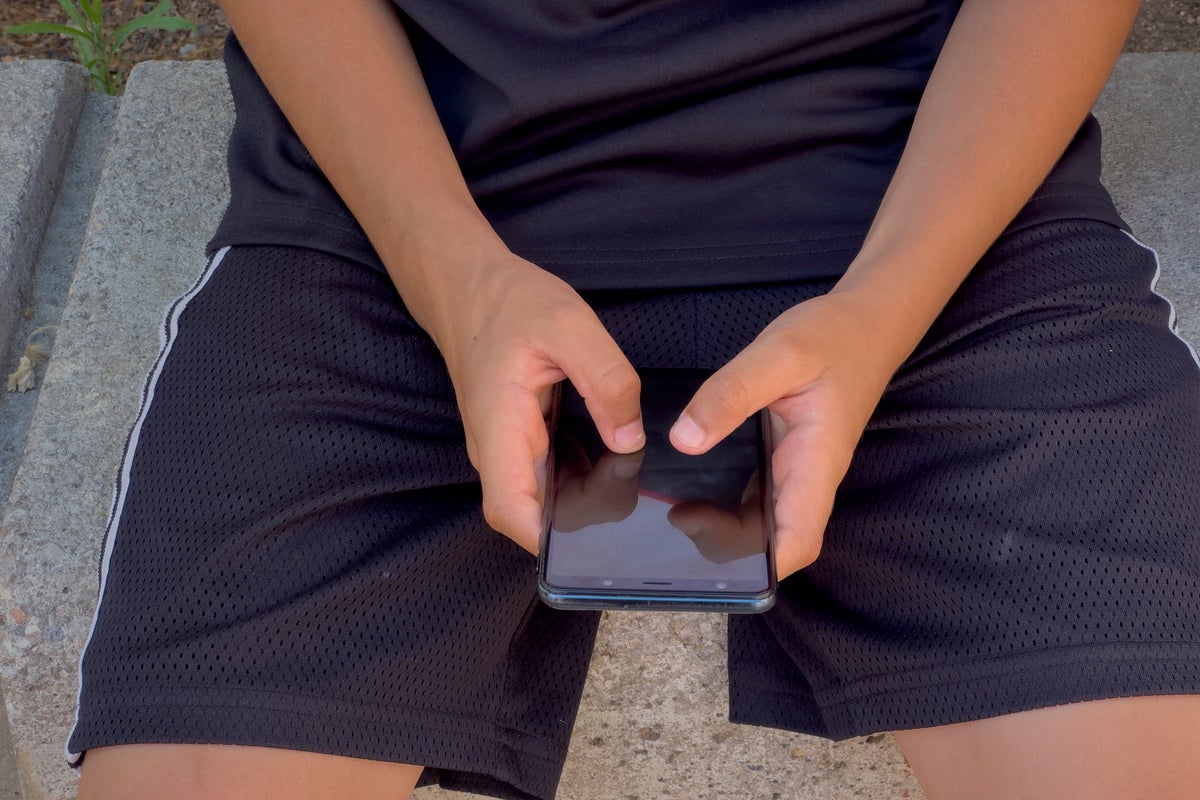
Britain says it will ban people under 16 from using a range of social media apps, including Snapchat, TikTok and YouTube, a decision intended to protect young people from harmful content and excessive screen time.
The U.K. joins a global movement to enforce age-based restrictions or requirements for access to social media. Some parents and child advocacy groups have welcomed them, but critics say they are ineffective and come with privacy concerns.
Here’s what some other countries are doing:
Australia
The ban there was described as a global first when it was introduced in December. It bars under-16s from holding accounts on Facebook, Instagram, Kick, Reddit, Snapchat, Threads, TikTok, X, YouTube and Twitch. Technology firms can be fined up to 49.5 million Australian dollars ($35 million) if they fail to take reasonable steps to remove the accounts. No fines have been handed out. The government says companies have shut down almost 5 million accounts identified as belonging to children.
Indonesia
The government announced in March that under-16s will not be allowed to have accounts on platforms that could expose them to addiction, pornography, online scams and cyberbullying, including YouTube, TikTok, Facebook, Instagram, Threads, X, Bigo Live and gaming platform Roblox.
Malaysia
Social media platforms with at least 8 million users in Malaysia, including Facebook, Instagram, TikTok and YouTube, must implement age-verification systems and block users under 16 from creating accounts. Companies that fail to comply can face penalties of up to 10 million ringgit ($2.5 million).
Brazil
A law that took effect in March stops short of a full ban but requires people under 16 to link their social media accounts to a legal guardian to ensure supervision. The legislation also prohibits platforms from using addictive features such as infinite scroll and the automatic playing of videos. Digital services are also obliged to implement an age verification mechanism that goes beyond self-declaration that the user is over 18 to protect them from accessing inappropriate or prohibited material.
Canada
The government introduced legislation this month to create a regulator, the Digital Safety Commission of Canada, which could ban children younger than 16 from having social media accounts unless the companies show they can remove harmful content including nonconsensual intimate images and material that induces children to harm themselves, incites violence or foments hatred.
Others
Other countries, including France, Spain, Denmark, Greece, Thailand and South Korea, are considering or in the process of introducing measures to restrict minors’ access to social media.