CHILE · SEISMIC EVENT
Saturday, May 30, 2026 — 03:00 BRT — By Florencia Belén Ruiz
Key Facts
—The event: A magnitude 6.9 earthquake struck northern Chile on Monday at 17:52 local time, with its epicentre 29 kilometres east-northeast of Calama in the Antofagasta region.
—The depth: The hypocentre was approximately 100 kilometres below the surface, a depth that absorbed much of the energy and substantially reduced surface shaking.
—The assessment: Chile’s national disaster service SENAPRED confirmed no tsunami risk, no injuries, and no significant damage in the hours after the event.
—The mining picture: Codelco’s Chuquicamata and adjacent copper operations continued normal production, with no formal halt or evacuation reported during the week.
—Latin American impact: The Calama earthquake reaffirms northern Chile as the world’s most reliable testing ground for deep-focus seismic safety engineering.
Northern Chile was struck by a magnitude 6.9 earthquake on Monday afternoon, with the epicentre in the Atacama desert area near the mining city of Calama. The Calama earthquake passed without injuries or significant structural damage, the country’s disaster service confirmed, and Codelco mining operations were unaffected. The deep 100-kilometre focus of the quake explained the low surface impact despite the high magnitude.
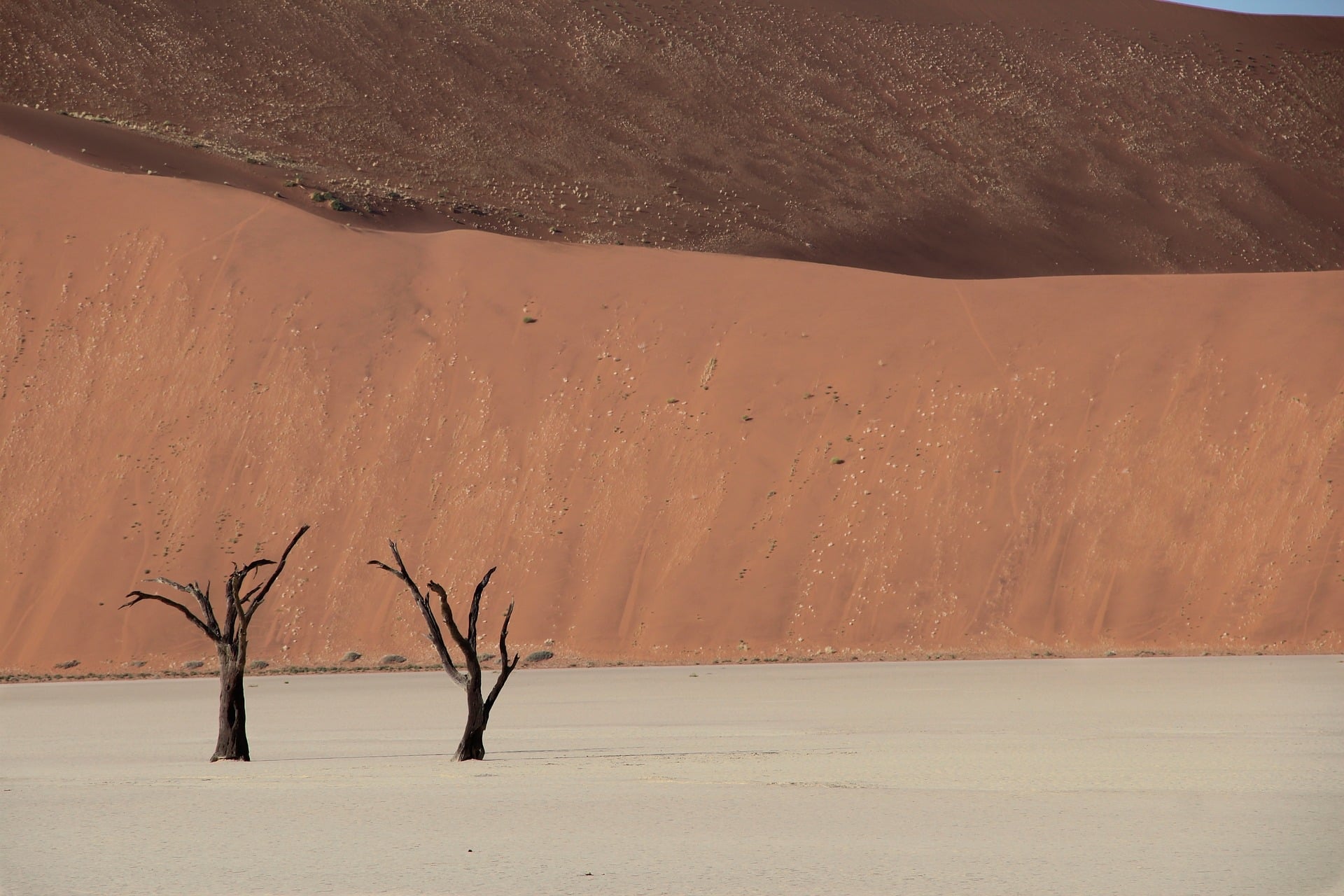
Miscanti Lagoon near San Pedro de Atacama — the broader Atacama desert region around the Calama earthquake epicentre. Photo: Luca Galuzzi / CC BY-SA 2.5.
What the Calama earthquake measurements show
The United States Geological Survey recorded the event at magnitude 6.9 with the hypocentre at approximately 100 kilometres depth. The epicentre was approximately 29 kilometres east-northeast of Calama, the largest city in El Loa province and the operational heart of Chile’s copper-mining region.
The quake was preceded by 11 small foreshocks over the days before the main event. It was followed by 18 aftershocks across the rest of the week, the largest of which reached magnitude 4.8 on Monday night about three hours after the main shock.
The shaking was felt across the Antofagasta region and reached as far as Atacama region to the south, with some reports of perceptible motion in Argentine border towns. The intensity, by contrast, was modest at the surface because of the depth at which the rupture occurred.
Why the Calama earthquake caused no damage
The 100-kilometre depth is the critical factor. Deep-focus earthquakes release their energy far below the surface, and the ground motion that reaches buildings and infrastructure is substantially attenuated by the time it travels through 100 kilometres of rock. The magnitude is calculated from the energy released, not from how strongly the shaking is felt.
For comparison, a shallow magnitude 6.0 event at 10-kilometre depth can cause significantly more damage than a deep magnitude 7.0 event at 100 kilometres. The 2010 Maule earthquake that devastated central Chile had a much shallower 35-kilometre focus, magnitude 8.8, and the deep-focus Calama event is in a different operational category.
Chile’s building codes have been progressively tightened since the 1985 Santiago earthquake and again after Maule in 2010. The Antofagasta region, which sits along the most seismically active subduction zone in the country, has the strictest standards. The combination of code compliance and depth explains the no-damage outcome.
SENAPRED response after the Calama earthquake
Chile’s Servicio Nacional de Prevención y Respuesta ante Desastres, SENAPRED, issued its first situation report within minutes of the event. The agency confirmed no tsunami risk to the Chilean coastline, no injuries reported by emergency services, and no significant damage to infrastructure or property.
The agency coordinated with regional authorities in Antofagasta and Atacama on monitoring, and follow-up assessments through the week confirmed the initial report. School and hospital inspections in Calama returned no findings of concern, and the city’s water, electricity, and telecommunications services continued to operate without interruption.
The Pacific Tsunami Warning Center independently confirmed the deep-focus nature of the event and the absence of any tsunami threat. The two-tier monitoring system, which combines national and Pacific-wide warning infrastructure, has been operational without major issue since the 2014 upgrade following the Iquique earthquake.
Mining operations after the Calama earthquake
Codelco’s Chuquicamata mine, the largest open-pit copper operation in the world, sits about 15 kilometres north of Calama. The mine and its smelter complex were operating during the event and continued production through the week, with no formal halt called and no evacuation triggered.
The Codelco Radomiro Tomic operation, the El Abra mine operated by Freeport-McMoRan, and the Teck Resources Quebrada Blanca project also reported normal operations through the week. The mining-sector reaction confirms the increasingly automated and code-compliant infrastructure that the industry has built around Calama.
For copper-market observers, the event has been treated as a non-event rather than as a supply-disruption concern. The London Metal Exchange copper three-month price moved less than half a percent during the trading session that followed and recovered immediately.
The Calama earthquake in Chile’s seismic context
Northern Chile lies along the Nazca-South American plate boundary, one of the most seismically active subduction zones on the planet. Magnitude 6 and greater events occur in the region every one to two years on average, and the last comparable Calama-area event was the magnitude 6.1 quake of January 2025.
The country’s largest recorded event remains the 1960 Valdivia earthquake at magnitude 9.5, still the most powerful earthquake measured anywhere in the world since instrumental recording began. The 2010 Maule and 2014 Iquique events were both magnitude 8.0-class. The Calama event sits well below those thresholds in terms of energy released.
The relevance of the May 25 event is not its size but its outcome. A magnitude 6.9 earthquake passing without damage is the kind of result that engineers and disaster planners design for, and the Calama event will be one of the case studies cited in the next round of Chilean code reviews.
Frequently Asked Questions
What was the magnitude of the Calama earthquake?
Magnitude 6.9 according to the United States Geological Survey, with the epicentre 29 kilometres east-northeast of Calama in northern Chile’s Antofagasta region and the hypocentre at approximately 100 kilometres depth.
Were there any injuries or damage?
No. Chile’s national disaster service SENAPRED confirmed no injuries, no tsunami risk, and no significant structural damage. Codelco mining operations continued normally and copper production was unaffected.
How does this compare to past Chile earthquakes?
Magnitude-6 events occur every one to two years in northern Chile. The 1960 Valdivia quake remains the largest at M9.5; the 2010 Maule (M8.8) and 2014 Iquique (M8.2) were the most recent major events. The Calama event sits well below those thresholds.
The Rio Times — Saturday, May 30, 2026 — 03:00 BRT — By Florencia Belén Ruiz
Read More from The Rio Times