Great cities are shaped by the strength of their institutions, such as their museums, cultural arts organizations, major businesses and especially their universities. Our city is fortunate to have that kind of strength in triplicate: through the College of Charleston, The Citadel and the Medical University of South Carolina, each playing a role in developing talent, advancing research and supporting the greater economy.
Like our city around us, the College of Charleston continues to evolve to meet the changing times. Higher education is experiencing profound disruption, driven by artificial intelligence, demographic shifts and rapidly evolving student expectations. At a moment when many universities are struggling simply to maintain stability, the College of Charleston is fortunate to be in a position to thoughtfully plan for the future and ensure we continue serving both our students and the Charleston community for many more generations to come.
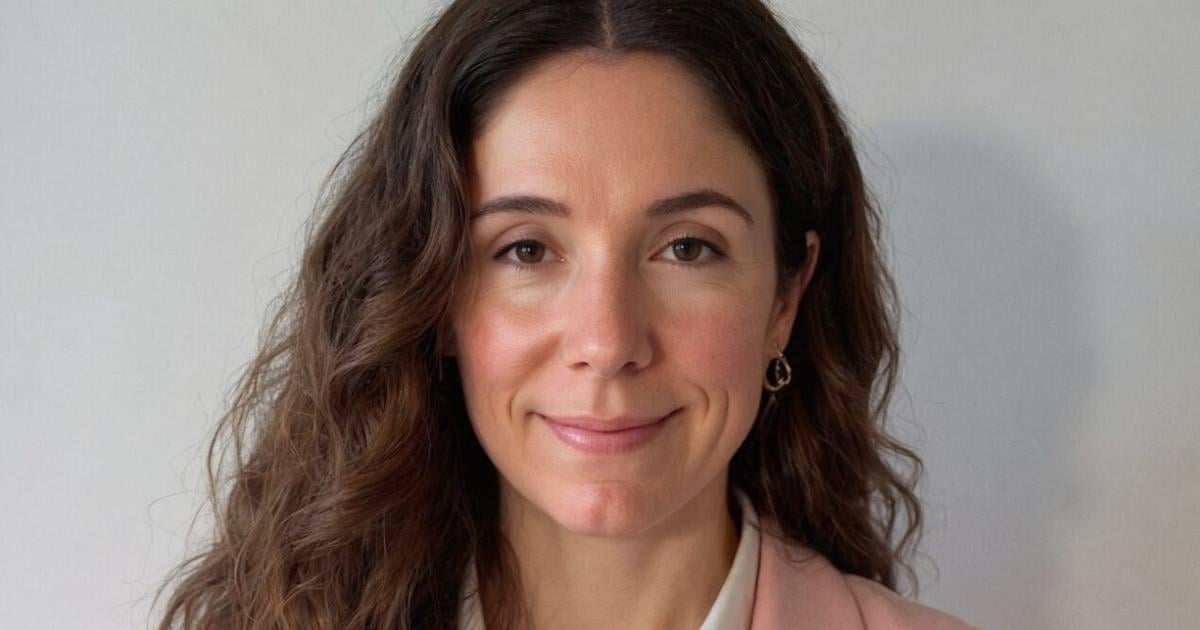
College of Charleston President Andrew Hsu
Within this storm of new realities, I want to first commend Charleston’s primary gatekeepers — City Hall, the Board of Architectural Review, the Historic Charleston Foundation and the Preservation Society of Charleston — for ensuring that development is being conducted in a way that adds value not only to the centuries-old charm of our city, but also to the quality of life of residents. Their combined work ensures that Charleston stays Charleston.
Our city has been changing since it was founded in 1670. Maybe not at the speed of other cities, but changing nonetheless — due to increased tourism, infrastructure improvements, population growth and new businesses and industry, such as Boeing, Volvo and Mercedes-Benz Vans.
Like so many major historical sites around Charleston, the college’s campus has been a steady presence on the peninsula for more than 250 years; yet it too is changing. And must. While our evolution has many goals, it is governed by a single principle that was taught to me by native Charlestonian Michael Bennett: Leave places better than you found them.
106 Coming St.
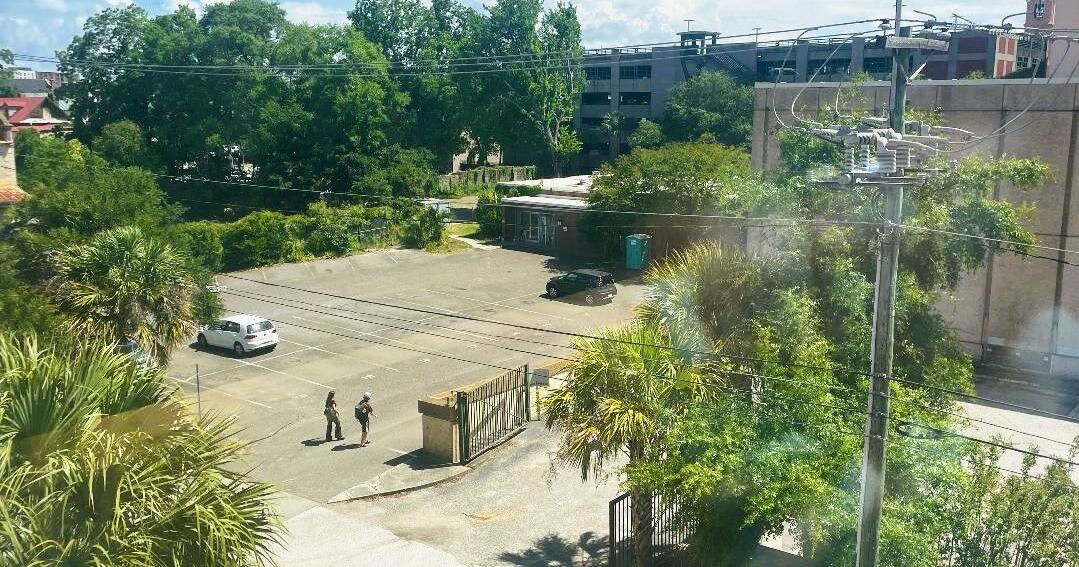
One of the College of Charleston’s planned building projects is at 106 Coming St., the site of the former YWCA building (empty since 2014) and an early municipal burial ground (1790s-1807) whose history was largely absent from public awareness for many generations. There, the university is pursuing a residence hall in part to reduce the number of students living in surrounding neighborhoods, thus helping to improve the quality of life for residents while easing pressure on the local housing market.
The development of this property, despite the fact that it had been repeatedly built on over the past 220 years by several generations of Charleston homeowners and businesses, has raised concerns about development, burial grounds and institutional responsibility. To help navigate those tensions, the college, at the urging of City Hall and members of the public, formed a Community Engagement Council to help my administration think through proper stewardship, commemoration and memorialization.
To be clear, the members of this council — self-nominated and representing a wide range of backgrounds and perspectives — are not necessarily supporters of the project. In fact, some members of the community believe the site should remain undisturbed entirely, and the college recognizes the sincerity and historical concerns underlying those views. Since November, council members have met monthly to learn more about the project, such as the finer points of ground-penetrating radar, the planned archaeological process and burial practices from different faiths.
Imaging and engagement
After its first meeting, the engagement council asked my administration to conduct an additional GPR imaging before any land disturbance took place. We did, using more advanced 3D technology. The findings, while more detailed, were inconclusive — similar to the first round performed in fall 2024, before the college acquired the property from a private developer, which had not found any indications of human remains. Once the former YWCA building and parking lot are removed, a cultural resource management company will conduct one more round of imaging before any archaeology work takes place.
In the engagement council’s May meeting, architects from Liollio, the local firm working with Ayers Saint Gross on this project, presented initial ideas regarding commemoration of the YWCA and the burial ground. At the council’s request, the college has asked Liollio to seek more feedback on commemoration and memorialization by hosting a public, interactive design charrette this summer. In that workshop (June 2 at the College of Charleston), community members can provide their insights into how best to remember and honor the history of the site.
Last fall, our Center for Historical Landscapes hosted a dialogue for our students about this project. Bernie Powers, professor emeritus of history and director of the college’s Center for the Study of Slavery in Charleston, said this of the burial ground: “I’m not sure at all that this was the final resting place for many of those people because they never experienced what the late 18th and mid-19th century was described as a ‘good death.’ We don’t know that there were rituals performed over them. And certainly for the Africans who were interred in this place and places like it, it wasn’t a ‘good death’ for them. They were not able to commune across the barriers to reconnect with their ancestors and be welcomed onto the sacred metaphysical ground that their ancestors inhabited because they were in a foreign land. … So., sometimes, people say, ‘Ah, let them rest.’ They weren’t at rest. They couldn’t rest because they didn’t die a ‘good death.'”
In keeping with our overriding governing principle to leave a place better than you found it, what the college hopes to achieve is restorative dignity, meaning we will help ensure greater dignity, visibility and recognition for those forgotten people buried on the property as well as properly honor the leaders and members of the YWCA and their century-long legacy downtown. With the community’s assistance, the College of Charleston will transform this neglected piece of property into something more vibrant, more respectful and more worthy of its complex past.
That work, of course, will not erase the difficult history of the site, nor will all members of the community agree on a path forward. Through this process, the college is fulfilling its responsibility to engage that history openly, to listen carefully to community concerns and to steward the site with care, humility and accountability.
Andrew Hsu is the president of the College of Charleston.