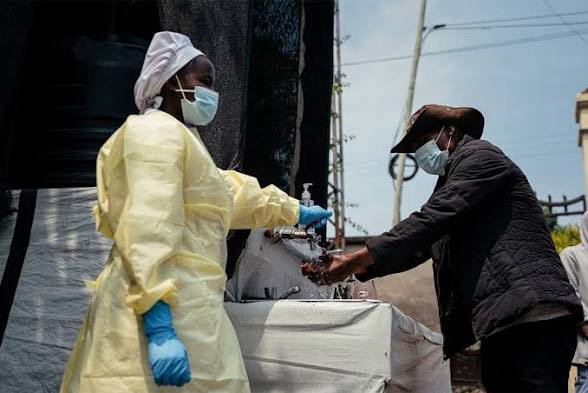
By Marius Musa Kargbo
The mention of Ebola still sends chills through the hearts of many Sierra Leoneans. More than a decade after the deadly 2014–2016 West African outbreak devastated families, overwhelmed hospitals, and brought entire communities to a standstill, the disease is once again resurfacing in parts of Africa. Reports of new Ebola cases in the Democratic Republic of the Congo (DRC) and Uganda have renewed fears across the continent and revived painful memories in countries that once stood at the center of one of the deadliest public health emergencies in modern African history.
For Sierra Leone, Ebola is not just another disease discussed in international headlines. It is a lived experience marked by trauma, loss, fear, and national suffering. Thousands of Sierra Leoneans died during the last epidemic. Entire households were wiped out. Healthcare workers sacrificed their lives. Traditional burial rites were suspended. Communities became isolated by quarantine measures, and the country’s already fragile economy nearly collapsed under the weight of the crisis.
Today, as Ebola re-emerges in Africa, health experts warn that Sierra Leone must act early, decisively, and collectively to strengthen preventive measures before another outbreak threatens national stability.
The Return of Ebola in Africa
Recent health surveillance reports from the World Health Organization (WHO) and Africa CDC indicate that new Ebola outbreaks have emerged in the Democratic Republic of the Congo, with linked concerns spreading into neighboringUganda. Health authorities remain particularly concerned because the outbreak involves the Bundibugyo strain of the Ebola virus, a variant for which there is currently no fully approved vaccine widely available.
The Democratic Republic of the Congo has historically battled recurrent Ebola outbreaks due to dense forest regions, cross-border population movement, weak healthcare systems in rural areas, and prolonged insecurity. Uganda, which shares close geographical and economic ties with the DRC, has also recorded infections and remains on high alert.
While the outbreak is geographically distant from Sierra Leone, infectious diseases no longer respect borders in today’s interconnected world. International travel, migration, trade routes, and regional movement across African states create pathways through which diseases can spread rapidly if surveillance systems are weak.
Health experts continue to warn that Africa remains vulnerable to epidemic outbreaks because many countries still face:
Underfunded healthcare systems
Inadequate disease surveillance
Shortages of trained health personnel
Weak laboratory capacity
Poor sanitation infrastructure
Misinformation and public distrust
For Sierra Leone, these warning signs should not be ignored.
Sierra Leone’s Painful History with Ebola
When Ebola struck West Africa in 2014, Sierra Leone became one of the epicenters of the outbreak alongside Guinea and Liberia. The virus spread rapidly through communities, exposing major weaknesses in the healthcare system and public health response mechanisms.
The outbreak was catastrophic.
More than 14,000 Sierra Leoneans were infected, and nearly 4,000 lives were lost according to international health estimates. Hospitals became overcrowded. Doctors and nurses died in alarming numbers. Fear spread faster than accurate information, while rumors and misinformation complicated response efforts.
One of the darkest aspects of the Ebola crisis was how it transformed human interaction and cultural practices. Families could not care for sick relatives in the traditional way because physical contact became dangerous. Burial rituals, deeply rooted in African tradition and spirituality, were suspended under emergency public health regulations. Many families never had the opportunity to perform final rites for their loved ones.
People died in isolation centers without family members nearby. Bodies were buried by specialized teams in protective suits. In many cases, grieving families did not even know the exact burial locations of their relatives.
For countless Sierra Leoneans, these memories remain deeply traumatic.
Why Ebola Is So Dangerous
Ebola is among the deadliest viral diseases known to humanity. It spreads through direct contact with bodily fluids such as blood, vomit, sweat, saliva, urine, or feces from infected individuals.
Symptoms often begin suddenly and may include:
High fever
Severe weakness
Muscle pain
Vomiting
Bloody diarrhea
Internal and external bleeding in severe stages
The disease can kill rapidly if patients do not receive immediate medical care, hydration, and supportive treatment.
What makes Ebola particularly dangerous is not only its high fatality rate but also the fear and social disruption it creates. During outbreaks, hospitals can become overwhelmed, healthcare workers become vulnerable, and ordinary social interactions suddenly become life-threatening.
The psychological impact is enormous. Entire communities can become consumed by panic, stigma, suspicion, and misinformation.
The Economic Destruction Ebola Leaves Behind
An Ebola outbreak is not merely a health crisis. It quickly becomes an economic and national security emergency.
During the previous epidemic in Sierra Leone:
Businesses shut down
International investors withdrew
Tourism collapsed
Schools remained closed for months
Agricultural production declined
Food insecurity worsened
Thousands lost their livelihoods
The country’s fragile economy suffered billions in losses, reversing years of development progress.
Markets became deserted. Transportation slowed dramatically. Cross-border trade declined. Foreign companies evacuated staff. Economic uncertainty deepened poverty across both urban and rural communities.
Even after the outbreak was contained, the economic scars remained visible for years.
If another Ebola outbreak were to occur today, the consequences could again be devastating, especially at a time when many African economies are already struggling with inflation, unemployment, debt pressures, and post-pandemic recovery challenges following COVID-19.
Why Sierra Leone Must Act Now
The greatest mistake Sierra Leone can make is assuming that Ebola cannot return.
Preparedness must begin before a crisis emerges, not after infections are detected.
Strengthening Border Surveillance
Sierra Leone must intensify health screening at airports, seaports, and land borders. Travelers arriving from high-risk countries should undergo monitoring and rapid health assessment procedures.
Cross-border movement within Africa is constant, especially through trade and migration networks. Vigilant surveillance systems are therefore critical to early detection.
Reviving Public Awareness Campaigns
One of the key lessons from the 2014 outbreak is that public awareness saves lives.
Government agencies, media institutions, community leaders, religious organizations, and schools should immediately revive Ebola education campaigns. Citizens need clear and accurate information about:
Symptoms
Prevention methods
Reporting procedures
Safe hygiene practices
The dangers of misinformation
Radio remains especially important in rural communities where internet access is limited.
Equipping Hospitals and Protecting Health Workers
Healthcare workers were among the biggest casualties during the previous outbreak. Sierra Leone lost many doctors and nurses because protective equipment and training were insufficient during the early stages of the epidemic.
Today, hospitals and clinics must ensure:
Adequate personal protective equipment (PPE)
Functional isolation units
Emergency medical supplies
Trained rapid response teams
Infection prevention protocols
Protecting healthcare workers means protecting the entire nation.
Strengthening Community Trust
Public cooperation is impossible without trust.
During the previous outbreak, misinformation and fear led some communities to resist health interventions. Rumorscirculated widely, creating suspicion toward healthcare workers and government officials.
Authorities must therefore prioritize transparent communication and community engagement. Religious leaders, traditional chiefs, youth groups, and local organizations should all be integrated into preparedness efforts.
The Role of Regional Cooperation
Ebola is not a problem any single country can solve alone.
West African nations must strengthen collaboration through:
Information sharing
Joint surveillance systems
Cross-border health coordination
Emergency response partnerships
Regional organizations such as ECOWAS, the African Union, and Africa CDC have important roles to play in ensuring rapid continental response mechanisms.
Global health institutions must also continue supporting African nations with funding, vaccines, laboratory systems, and technical expertise.
A Nation Still Carrying Emotional Wounds
Perhaps the deepest scars left by Ebola are invisible.
Many Sierra Leoneans still live with emotional trauma from losing parents, children, spouses, colleagues, and friends. Survivors continue to face psychological challenges and social stigma years later.
Entire communities remember the silence of quarantined streets, the fear of physical contact, and the painful reality of watching loved ones disappear into treatment centers.
The memories remain vivid because Ebola changed the social fabric of society itself.
That is why discussions about Ebola continue to provoke fear and anxiety. Sierra Leone understands better than most nations that an outbreak is not simply about infection numbers. It is about human suffering, grief, isolation, economic collapse, and national trauma.
Conclusion: Vigilance Is the Price of Safety
Ebola’s resurgence in parts of Africa should serve as an urgent warning to Sierra Leone and the wider region. The country cannot afford complacency.
The lessons of 2014 must guide present action:
Early preparedness saves lives
Public awareness matters
Strong healthcare systems are essential
Community trust is critical
Regional cooperation is necessary
Sierra Leone has already paid a painful price once. The nation must now use that experience to strengthen prevention, protect communities, and ensure that history does not repeat itself.
Ebola may have resurfaced elsewhere in Africa today, but preparedness in Sierra Leone must begin now before another tragedy arrives at the nation’s doorstep