Rome takes formal legal action in Swiss courts for the New Year’s Eve disaster in Crans-Montana that killed six Italian teenagers. It also rejects demands that Italy pay for its own victims’ medical care.
Italy has formally entered the Swiss criminal proceedings arising from the catastrophic New Year’s Eve fire at the Le Constellation bar in Crans-Montana as a civil plaintiff. The government announced its intention to seek compensation from those responsible for the disaster that killed 41 people, among them six Italian teenagers.
The announcement from Palazzo Chigi confirmed that the Presidency of the Council of Ministers, acting through the State Attorney General’s Office and a delegated Swiss law firm, has filed Italy’s declaration as a civil party in the Valais criminal proceedings. The move puts the Italian state formally in line for financial redress and signals a deepening of what has become a charged bilateral dispute between Rome and Bern.
Italy’s legal claim rests on two pillars. Firstly, the direct costs borne by the Italian state in mobilising the National Civil Protection Service — providing medical, psychological and logistical assistance to Italian nationals caught up in the blaze. Secondly, the “extremely plausible” liability of Swiss local authorities, “justifying the firm demand for compensation against all parties civilly liable,” the Italian government said.
The Crans-Montana case
The fire at the Le Constellation bar in Crans-Montana on New Year’s Eve claimed the lives of 41 people and injured 115, some of them seriously. Six of the fatalities and 10 of the injured were Italian nationals.
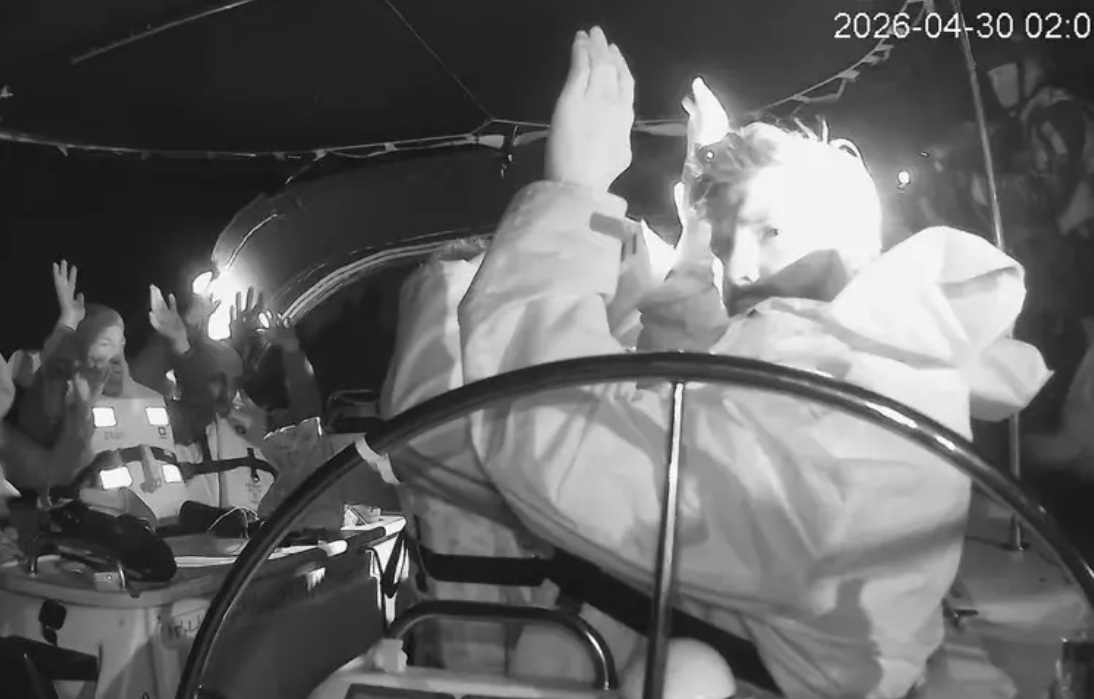
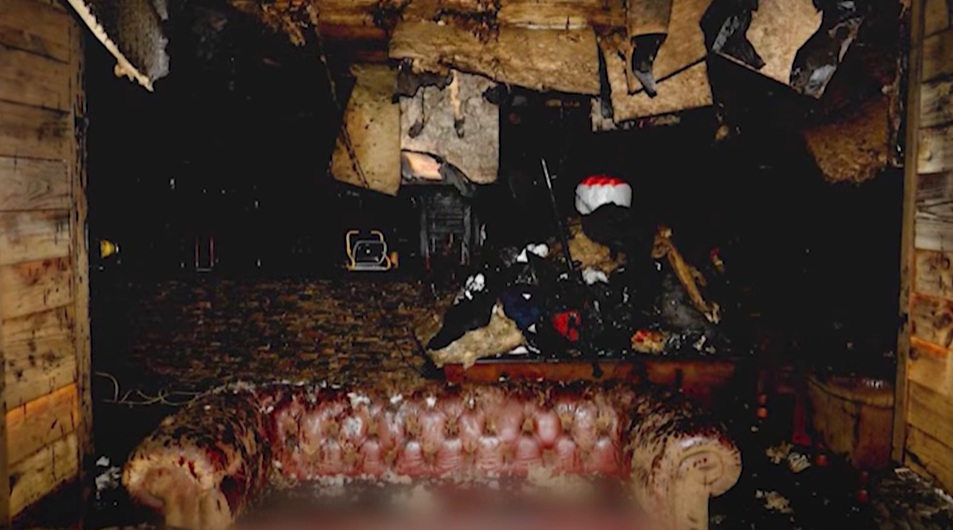
Prosecutors believe the fire started when champagne bottles with sparklers attached were raised too close to the ceiling in the bar’s basement level, igniting the sound-insulation foam. Most of the dead were teenagers.
The bar’s owners, Jacques and Jessica Moretti — a French couple from Corsica who own several establishments in the region — face charges of manslaughter by negligence, bodily harm by negligence and arson. They have twice been questioned at length by public prosecutors and lawyers for the civil parties.
The picture that has emerged in the months since the fire points to serious systemic failures. Of the 128 bars and restaurants in Crans-Montana, only 40 had been inspected during 2025, despite inspections being required annually. Legal experts have noted that under Valaisan state liability law, public authorities are liable for damage caused by a substantial breach of official duties — a threshold that may well have been met given the apparent failures in fire safety oversight. The municipality of Crans-Montana reported equity of around CHF 160 million at the end of 2024, which could in principle be drawn on to cover damages if it is found responsible.
Compounding the grief of Italian families is a dispute that has provoked outrage across Italy: Switzerland’s attempt to charge Rome for the medical treatment provided to Italian survivors of the disaster.
Switzerland invoicing Italy for healthcare costs
Italy’s ambassador to Switzerland, Gian Lorenzo Cornado, noted that Italy had treated Swiss patients injured in Crans-Montana at one of its hospitals and contributed to rescue operations with a helicopter, without asking for any money. His response to the Swiss invoices was categorical: Rome would send them back.
Cornado also highlighted the disproportion involved. The Swiss authorities were demanding over 100,000 Swiss francs for four young Italians who spent a single day in hospital in Sion following the fire, while two young Swiss patients injured in the same blaze had been treated for months at Milan’s Niguarda hospital without a bill being raised. “If these are the agreements,” he said, “then Italy will not avail itself of them: we will not bill the expenses of the two Swiss boys hospitalised with us, and we expect Bern to do the same.”
Switzerland’s Federal Social Insurance Office had initially defended the invoicing on the grounds that EU healthcare cost-recovery agreements permitted it. However, director Doris Bianchi acknowledged at the weekend that sending the bills to bereaved and injured families directly had been a mistake. Regardless, she maintained her office would seek to recover costs from the Italian national health service through the bilateral mechanism.
Italy’s position is that the mechanism should not apply given the moral responsibility of Swiss authorities for the disaster in the first place.
Premier Giorgia Meloni expressed shock last week when the hospital invoices came to light. She has vowed justice for Italian victims, and Italy has opened its own domestic investigation into the fire even as the Swiss criminal probe continues.