By: Roger Srivasan
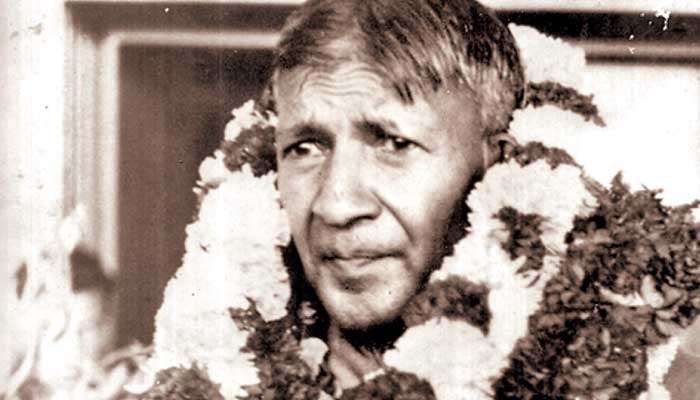
There are moments in a nation’s life when remembrance must be handled with exacting care—where memory is not merely invoked, but treated with dignity, restraint, and moral clarity. The 49th death anniversary of S. J. V. Chelvanayagam, QC—a leading lawyer of formidable standing and a statesman of unimpeachable principle—was one such moment.
It should have been an occasion for quiet reflection on a life anchored in constitutionalism, non-violence, and the disciplined pursuit of justice. Instead, it has been marred by a controversy that was as avoidable as it is revealing.
At the heart of the disquiet lies the decision to invite G. L. Peiris, a prominent figure of the Mahinda Rajapaksa administration. Among Tamils in the North, this has not been received as a gesture of inclusivity or reconciliation, but as a profoundly discordant choice—one that collides with lived memory.
For that community, the Rajapaksa era is not a distant abstraction to be debated in detached tones. It is a period etched in loss, displacement, and enduring trauma. Whether narrated as victory, tragedy, or uneasy necessity, it remains a chapter that continues to weigh heavily on the Tamil psyche.
Against this backdrop, the invitation appears—at best—misjudged; at worst, deeply insensitive.
This is not an argument against dialogue across divides. Nor is it a call for permanent exclusion.
Reconciliation, if it is to be meaningful, must indeed be capacious. But reconciliation is not a blunt instrument to be wielded indiscriminately. It demands judgment—of timing, of context, and of moral proportion.
To conflate a commemorative platform—dedicated to a figure such as Chelvanayagam QC—with a space for politically charged inclusion is to collapse two distinct registers: remembrance and reconciliation. The former calls for solemnity; the latter for deliberation. When these are carelessly intermingled, the result is not harmony but dissonance.
Chelvanayagam QC himself embodied a politics of restraint. His method was never theatrical provocation, but quiet, principled persistence—anchored in law and guided by conscience. To honour such a legacy requires more than ceremonial homage; it requires fidelity to the spirit he exemplified.
And that spirit is one of sensitivity to context.
The reaction from Tamils in the North—far from being intemperate—is entirely intelligible. It reflects a community that perceives a disjunction between the values being commemorated and the choices being made. When memory remains raw, symbolism is never incidental; it is decisive.
What renders this episode particularly regrettable is that it was wholly avoidable. A moment that ought to have unified—if only in reflection—has instead reopened fault lines that remain unhealed.
In societies emerging from conflict, such missteps are never neutral; they reverberate—politically, emotionally, and symbolically. Remembrance is not a ceremonial indulgence, but a discipline—one that demands judgment, proportion, and an unerring sensitivity to lived memory.
To disregard that is to turn tribute into provocation. For to commemorate Chelvanayagam QC—a jurist of rare probity and principle—while inviting a figure associated with a chapter of profound Tamil suffering is not inclusivity; it is insensitivity, thinly veiled as outreach.