Your support helps us to tell the story
From reproductive rights to climate change to Big Tech, The Independent is on the ground when the story is developing. Whether it’s investigating the financials of Elon Musk’s pro-Trump PAC or producing our latest documentary, ‘The A Word’, which shines a light on the American women fighting for reproductive rights, we know how important it is to parse out the facts from the messaging.
At such a critical moment in US history, we need reporters on the ground. Your donation allows us to keep sending journalists to speak to both sides of the story.
The Independent is trusted by Americans across the entire political spectrum. And unlike many other quality news outlets, we choose not to lock Americans out of our reporting and analysis with paywalls. We believe quality journalism should be available to everyone, paid for by those who can afford it.
Your support makes all the difference.Read more
Two Chinese nationals face charges in the U.S. that they managed a sprawling compound in Myanmar where authorities say workers were forced to participate in cryptocurrency investment fraud scams, according to court records unsealed Thursday in Washington, D.C.
A complaint filed in federal court charges the suspects — Huang Xing Shan and Jiang Wen Jie — with wire fraud conspiracy. They’re accused of managing the industrial-scale Shunda Park compound in the village of Min Let Pan before it was seized in November 2025 by armed forces in Myanmar.
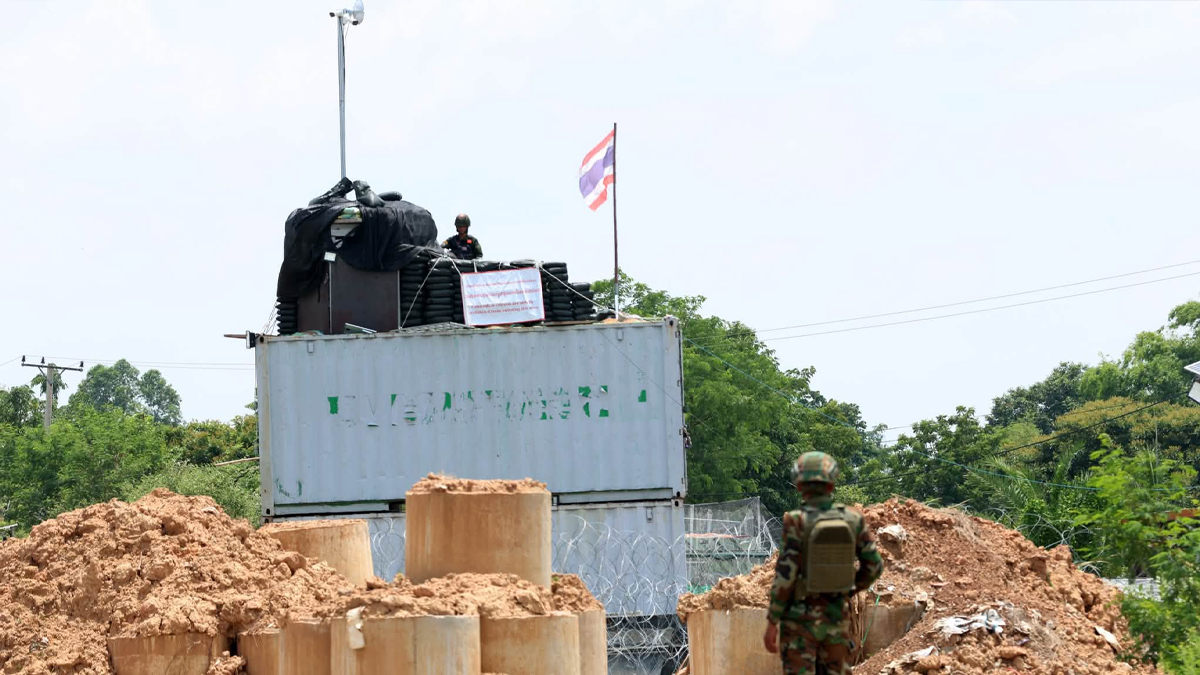
Cyberscam centers have proliferated near Myanmar’s border with Thailand. And they have persisted despite a vow by Myanmar’s military leadership to wipe them out, The Associated Press has found.
Both suspects charged in Washington are in government custody in Thailand for illegally entering that country, a court filing says. They had relocated to another scam compound in Cambodia but were arrested by Thai authorities on immigration charges earlier this year, the filing alleges. It’s unclear when they could be brought to the U.S. for prosecution.
FBI agents reviewed thousands of electronic devices found at the Shunda compound and interviewed some of its former workers. Scammers posing as law-enforcement or bank officials used fraudulent websites disguised as legitimate investment platforms to defraud victims across the globe by duping them into sending cryptocurrency, according to an FBI agent’s affidavit.
U.S. Attorney Jeanine Pirro, who announced the charges at a news conference in Washington, said the type of scam perpetrated at the Shunda compound is among the fastest-growing and most financially devastating forms of cybercrime, costing Americans billions of dollars in losses.
“This isn’t abstract. It is hitting your neighbors’, your friends’ and your parents’ retirement accounts,” Pirro said. “Some of these victims are so distraught that they end up taking their own lives. This is economic homicide.”
Compound workers told the FBI that they were held against their will and forced to participate in the scams under the threat of violence.
“The criminal syndicates behind these compounds often lure unsuspecting persons to travel to nearby Thailand with the offer of high-paying technical jobs. However, many of these persons instead have their identification documents seized and are trafficked to (Myanmar) to work in these scam compounds,” the FBI affidavit says.
Online court records don’t list any attorneys for the defendants, Huang and Jiang.
Pirro also announced Thursday that authorities have taken down hundreds of scam-related websites and seized a channel on the Telegram messaging app that she said was used to recruit human trafficking victims to a compound in Cambodia.
“These criminals thought they were untouchable because they were overseas,” Pirro said. “Today, we are proving them wrong, and we are just getting started.”