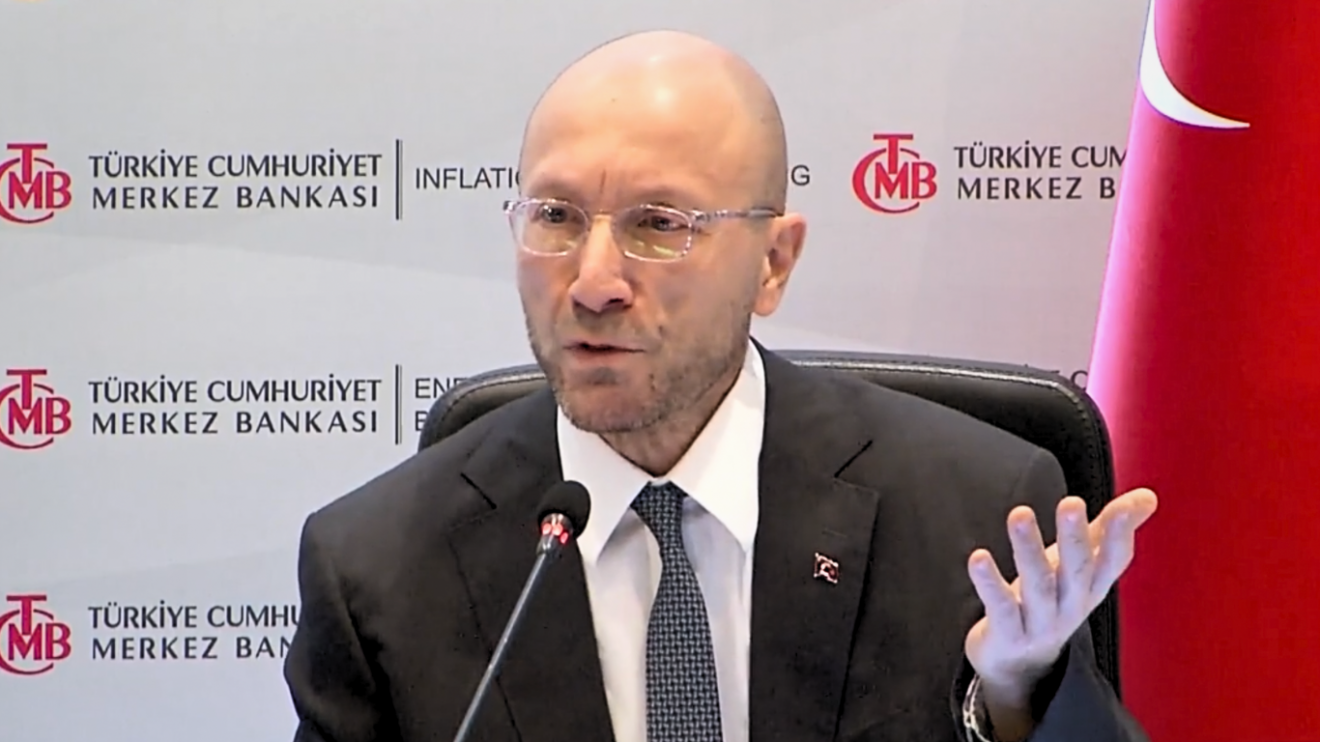
Osman Cevdet Akçay, one of the Turkish central bank’s most hawkish policymakers, left office after reaching the legal retirement age of 65, departing just days before the bank’s next interest rate meeting.
Akçay’s exit has raised questions because Turkey’s central bank law once set fixed terms for the governor and deputy governors, but critics say later legal changes blurred those protections, leaving uncertainty over whether age rules or fixed-term safeguards should prevail.
Akçay, in his final public remarks before leaving office, said inflation could have climbed as high as 200 percent if authorities had not shifted back to more conventional economic policies in 2023. He was appointed in July 2023 after that policy turn and came to be seen by investors as one of the strongest advocates of high interest rates and tighter monetary policy on the bank’s rate-setting board.
His departure comes two days before the Monetary Policy Committee is scheduled to meet on April 22, against a tense economic backdrop. The central bank kept its main policy rate at 37 percent at its March 2026 meeting, the first pause after five straight cuts, as the Middle East war pushed up energy prices and worsened the inflation outlook.
During Akçay’s tenure, annual inflation slowed to 30.87 percent in March from a peak of about 75 percent in May 2024. Just weeks before his departure, Akçay had also warned that the fallout from the Middle East conflict could go beyond market volatility and begin to damage Turkey’s economic fundamentals, one of the bank’s clearest public warnings yet about the risks from the regional crisis.