Two Indian-flagged vessels carrying crude oil came under gunfire in the Strait of Hormuz on Saturday as Iran declared it would control traffic through the vital waterway in retaliation for an ongoing US naval blockade.
Following the attack, the Indian Ministry of External Affairs summoned Iran’s ambassador to New Delhi. During the meeting, Indian External Affairs Minister Vikram Misri conveyed “India’s grave concern over the shooting incident that occurred earlier today and involved two vessels flying the Indian flag in the Strait of Hormuz,” according to a ministry statement.
Misri reminded the envoy that Iran had previously facilitated safe passage for ships bound for India, urging him to convey New Delhi’s views to Iranian authorities and promptly resume the facilitation process.
Three maritime security and shipping sources told Reuters that at least two merchant vessels reported being hit by gunfire while attempting to cross the strait. Britain’s maritime trade agency confirmed a tanker had come under fire from two gunboats, adding that authorities were investigating and the full extent of any damage remained unclear.
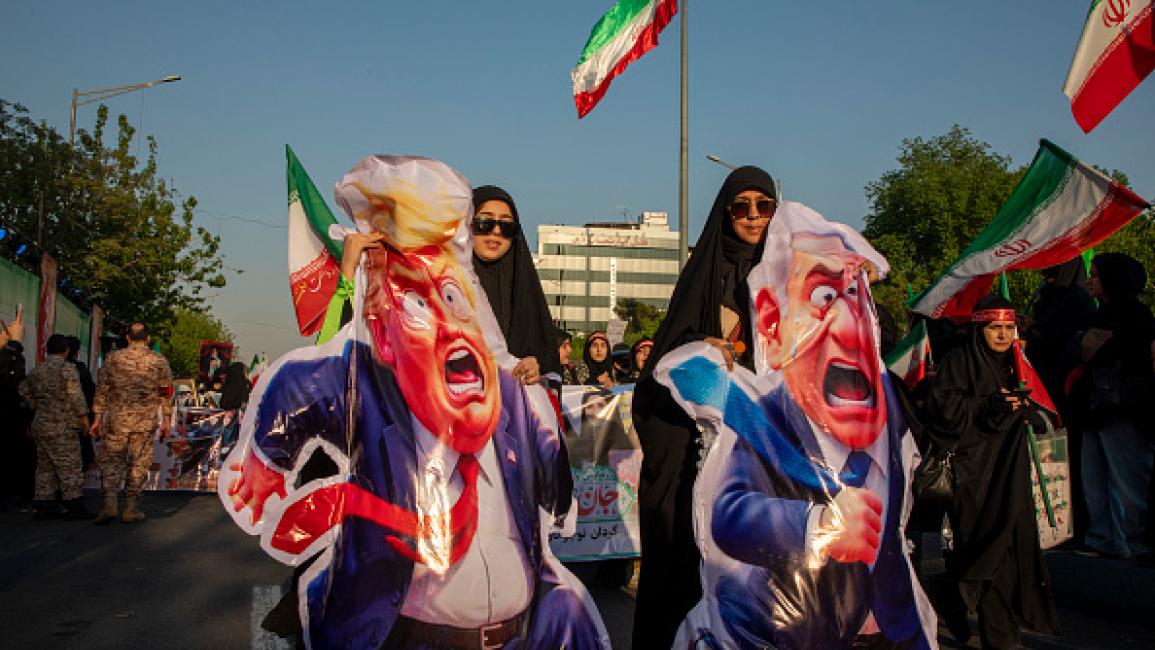
The attacks coincide with an assertion from Iran’s Supreme National Security Council that Tehran “is determined to control traffic through the Strait of Hormuz, until the war is definitively ended, and lasting peace is achieved in the region,” according to Iranian media.
The council stated that “as long as the enemy continues to impose a naval blockade, Iran will consider this a violation of the ceasefire, and will prevent the conditional and limited opening of the Strait of Hormuz.” It added that Iranian control includes the collection of fees for security, safety, and environmental protection services.
The US maritime blockade, announced by President Donald Trump after talks with Iran in Islamabad failed to produce an agreement, is currently being enforced. Central Command (CENTCOM) reported its forces have turned back 23 ships since the measures against Iranian ports and coastal areas began this week.
Speaking to reporters in the Oval Office, Trump said Washington would not allow Tehran to use the strait to put pressure on the United States, stating that Iran “cannot blackmail us.” He added that “very good talks are currently taking place with Iran” but noted they “want to close the Strait of Hormuz again,” with more information expected by the end of the day.
The geopolitical standoff has caused significant confusion among shipowners and oil traders attempting to gauge Iran’s commitment to keeping the waterway open. In a statement on Saturday morning, a spokesperson for Iran’s Revolutionary Guards (IRGC) said: “Based on previous agreements that were reached in the negotiations, the Islamic Republic of Iran agreed, in good faith, to a managed passage for a limited number of oil tankers and commercial ships through the Strait of Hormuz.”
Prior to the attacks, tracking data from MarineTraffic showed a convoy of eight vessels—including a Very Large Crude Carrier (VLCC), several product and chemical tankers, and liquefied petroleum gas (LPG) carriers—crossing Iranian waters south of Larak Island, with other tankers following from the Gulf. Shipowners, speaking on condition of anonymity due to the sensitivity of the matter, expressed hope they could leave the Gulf during a short ceasefire in the Iran war.