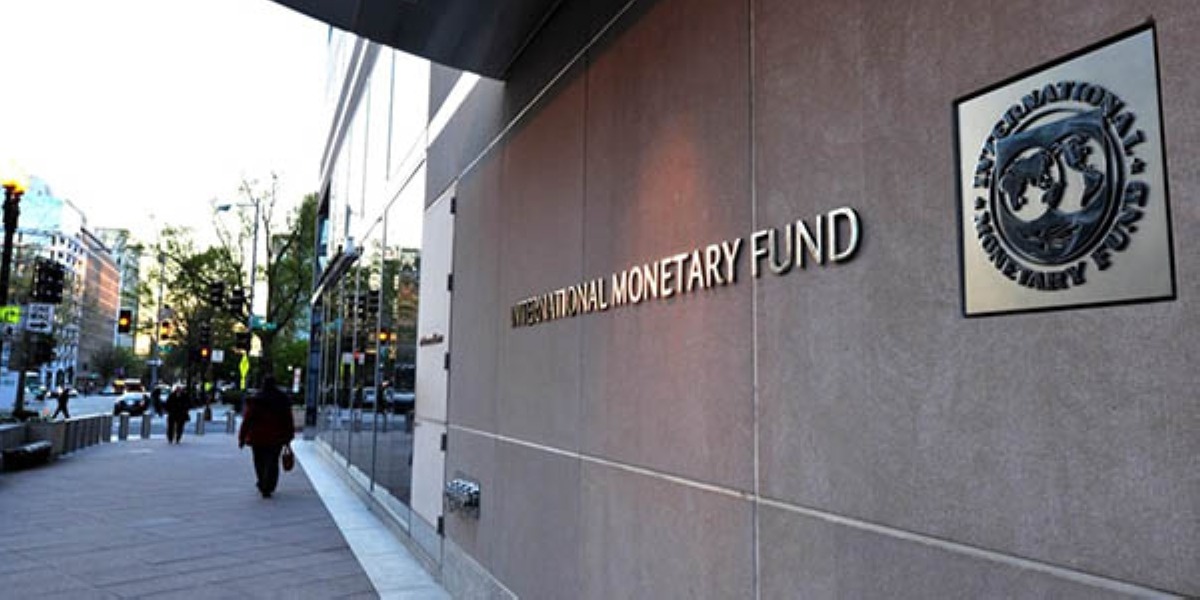
The International Monetary and Financial Committee of the International Monetary Fund warned on Friday that escalating geopolitical tensions in the Middle East could have serious negative consequences for global economic growth, inflation, and energy and food security.
In a statement issued at the conclusion of its 53rd meeting, chaired by Mohammed Al-Jadaan, the committee noted that while the global economy has demonstrated resilience in recent years despite multiple shocks, the ongoing conflict in the region represents a “major new global shock.”
Its impact, the committee stressed, will largely depend on the duration, intensity, and geographic spread of the conflict, reports Al-Rai daily.
The committee highlighted that damage to infrastructure and disruptions in transportation pose a direct threat to the global economy. It warned that a prolonged conflict could keep fuel and fertilizer prices elevated, further straining global markets.
Amid what it described as a period of heightened uncertainty, the committee emphasized that the top priority is maintaining macroeconomic and financial stability, alongside achieving sustainable and inclusive growth. It called for the adoption of flexible and adaptive economic policies, supported by credible frameworks and stronger international coordination.
The statement also reaffirmed member countries’ commitment to structural reforms aimed at boosting private sector investment, improving productivity, strengthening energy security, and enhancing medium-term growth prospects.
On debt issues, the committee stressed the importance of improving debt restructuring mechanisms, ensuring they are implemented in an orderly and timely manner. It also expressed support for enhancing the IMF’s lending capacity and improving the efficiency of its financial programs.
The committee announced that its next meeting will take place in October 2026 in Bangkok.
The International Monetary and Financial Committee serves as a key advisory body to the IMF Board of Governors, meeting twice annually during the Spring and Annual Meetings of the IMF and the World Bank to guide global monetary and financial policy responses, particularly during periods of crisis.