
Nighttime frosts that occurred on several days over the past week have caused severe damage to orchards in many areas, according to HungaroMet Zrt.’s agrometeorological analysis released on Thursday.
They noted that the weather has been mostly dry over the past week. In the vast majority of the country, precipitation over the past 30 and 90 days has been below the long-term average; accordingly, the 10–20-centimeter layer of soil near the surface is critically dry across large areas. The moisture content of the 20–60-centimeter soil layer is generally still good, but the deeper layers—primarily in the Great Plain—are lacking 70–100 millimeters of moisture that was not replenished during the winter. The daily average soil temperature measured at a depth of 5 centimeters has consistently exceeded 10 degrees Celsius.
Photo: Pixabay
Temperatures in the second half of last week were typically 1–4 degrees Celsius below the long-term average, with daily averages remaining below 10 degrees. Last week, from Tuesday through Sunday, frosts occurred every night across the country; the heaviest frosts developed in the early hours of Saturday in the northern valleys and the Nyírség region, where temperatures as low as minus 5 to minus 7 degrees were recorded. Nighttime frosts ceased on Monday, the air warmed up, and maximum temperatures rose to near 20 degrees.
Winter wheat is growing well; the crop is ahead of schedule in its development, and its green mass is growing rapidly. Rapeseed is in full bloom, and although there is still a sufficient amount of moisture in the root zone, there is a great need for rainfall.
Sowing of summer row crops is mostly complete, but soaking rain is needed for germination and emergence because the seeds were planted in dry soil.
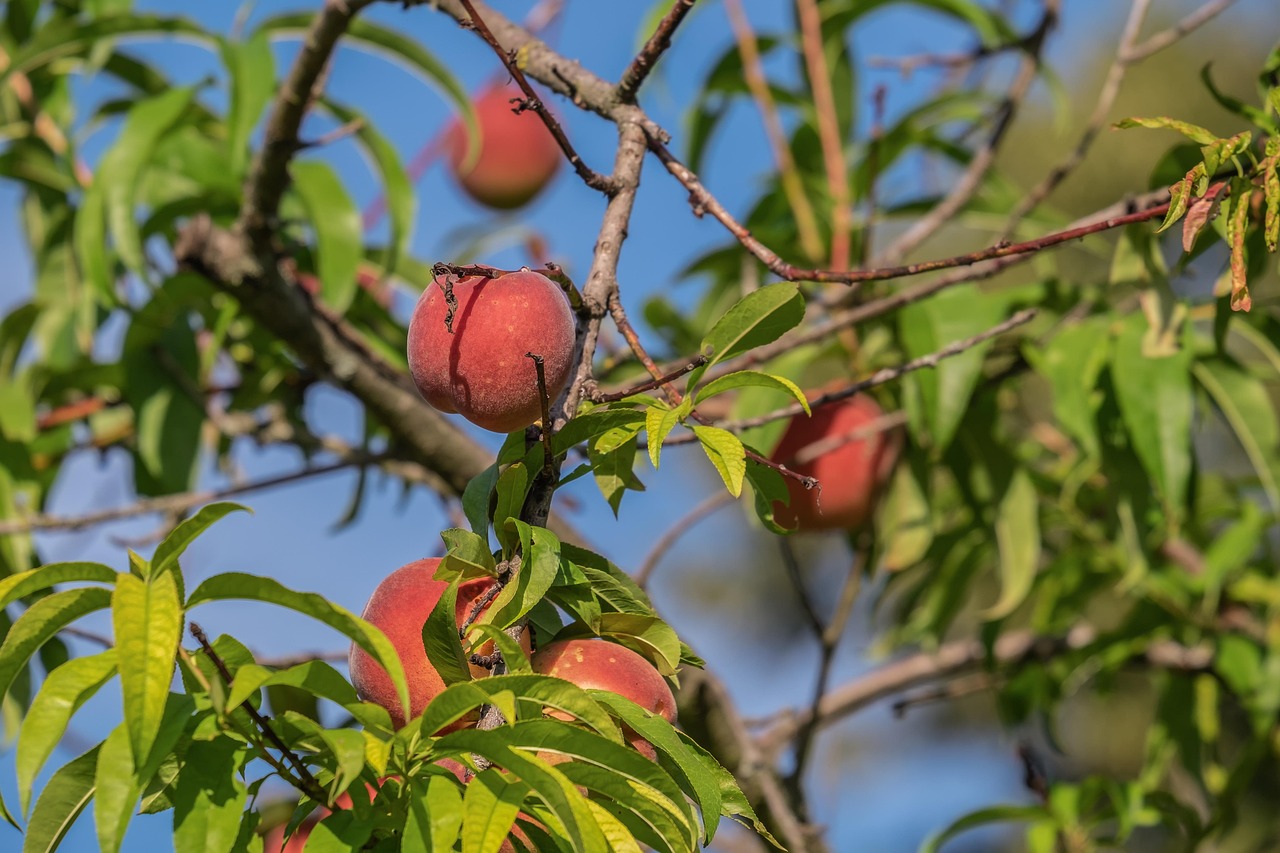
Fruit crops suffered serious frost damage in many areas during the second half of last week.
According to the forecast, no significant precipitation covering large areas is expected in the next 6–8 days, so the soil will continue to dry out, and the drought situation is expected to worsen further. Maximum temperatures will remain around 20 degrees until Sunday, then a cold front will arrive on Monday, bringing cooler weather.
Related article
Orchards Suffer Tens of Billions of Forints in Damage due to Spring Frost
The April frosts affected 80 percent of the domestic fruit-growing area.Continue reading
Via MTI; Featured image: Pixabay


