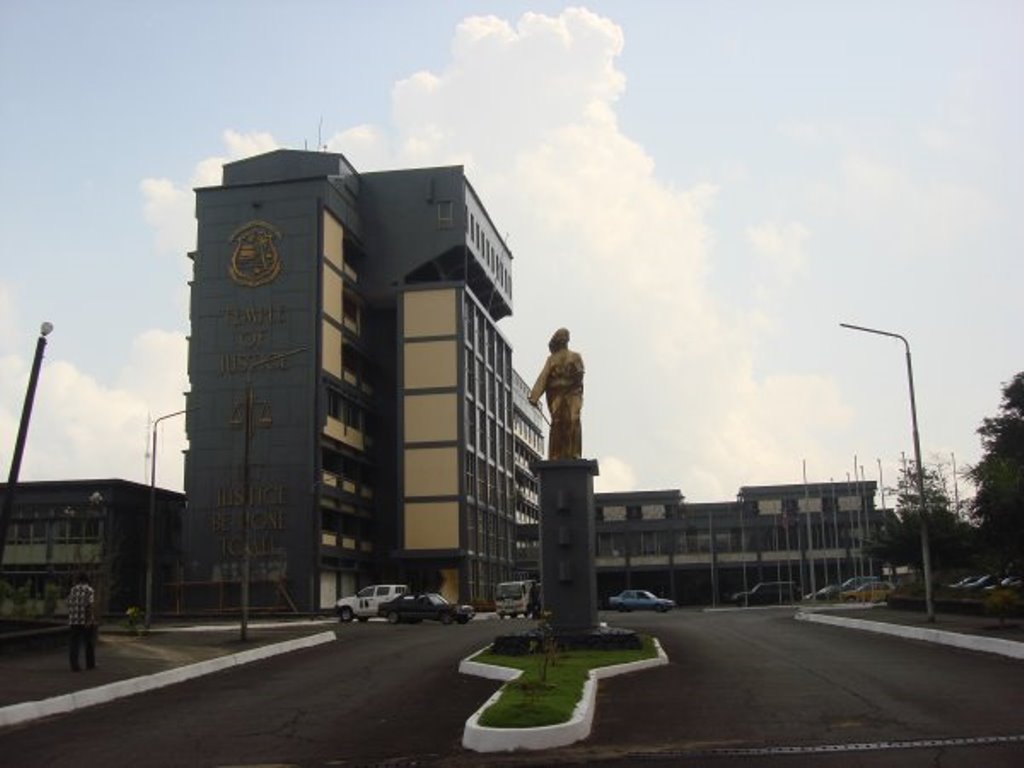
Supreme Court of the Republic of Liberia
Monrovia-The Supreme Court of Liberia has intervened in the escalating standoff between the Legislature and Montserrado County District Number 10 Representative Yekeh Y. Kolubah, ordering an immediate halt to all proceedings by the House of Representatives of Liberia in a controversial probe linked to the Sorluba border crisis.
By: Willie N. Tokpah
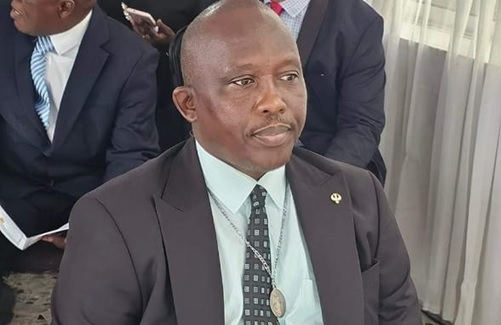
In a formal communication issued Thursday, April 16, from the Office of the Clerk at the Temple of Justice in Monrovia, the High Court, through Chambers Justice Yussif D. Kaba, cited the House’s leadership to a conference scheduled for Monday, April 20, at 2:30 p.m.
The directive specifically orders the House, acting through Speaker Richard Nagbe Koon, Deputy Speaker Thomas Fallah, the Chief Clerk, and the Sergeant-at-Arms, to “stay all further proceedings and/or actions” in the matter pending the outcome of the conference.
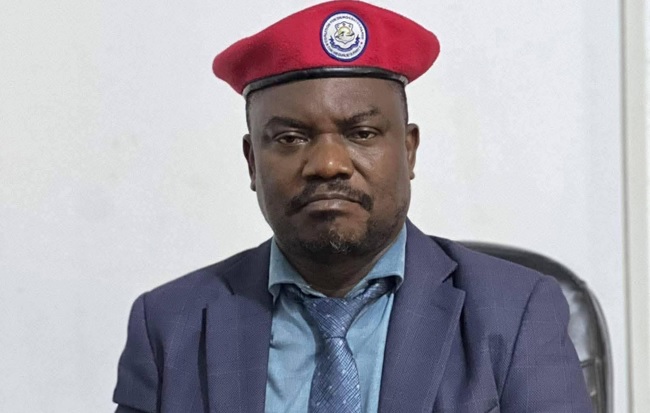
The writ stems from a petition for a Writ of Prohibition filed by Representative Kolubah, who is seeking the Court’s intervention to prevent the Legislature from continuing what he describes as an unconstitutional probe into statements he made regarding the Sorluba border situation between Liberia and Guinea.
The crisis began when Representative Kolubah publicly alleged that the area which authorities of Guinea had encroached on the Liberian territory in the Sorluba area, does not belong to Liberia, but Guinea, raising alarm over “national security threat.”
His comments triggered tensions within the House, prompting lawmakers to initiate a formal inquiry into the accuracy of his claims and whether his statements undermined diplomatic relations and national stability.
However, Kolubah resisted the probe, arguing that the Legislature refused to allow his legal representation to speak on his behalf.
His legal team maintained that such actions violate constitutional protections, including legislative immunity and freedom of speech.
Prominent Liberian lawyer and political figure Tiawan Saye Gongloe has since weighed in on the matter, cautioning against what he described as “legislative overreach.”
Gongloe has consistently argued that while the Legislature has oversight powers, those powers must not infringe upon constitutionally guaranteed rights of elected officials.
Other legal analysts have echoed similar concerns, warning that the case could set a precedent regarding the separation of powers between the Judiciary and the Legislature.
Meanwhile, sources within the House leadership insist that the probe is intended to establish facts and protect Liberia’s diplomatic integrity, especially amid heightened sensitivities surrounding border security.
The Supreme Court’s intervention freezes the House’s investigation, shifting the battleground from Capitol Hill to the Temple of Justice.
Monday’s conference is expected to determine whether the writ will be formally issued, potentially barring the Legislature from proceeding further.
The case is shaping up to be a major constitutional test, with far-reaching implications for legislative authority, judicial oversight, and political accountability in Liberia.
As tensions persist over the Sorluba border concerns, all eyes will now be on the Supreme Court’s next move, one that could redefine the balance of power within Liberia’s democratic framework.