In the practice of immigration law, the world is often defined by the cold, binary reality of statutes and different visa criteria. Yet, as mid-April 2026 approaches, the atmosphere within the Myanmar diaspora is heavy with a familiar tension. This is Thingyan, the festival of Samkrānti, a word derived from Sanskrit meaning “transition”. It is a time intended to purify the spirit for the New Year — yet this year, the concept of transition is being weaponised.
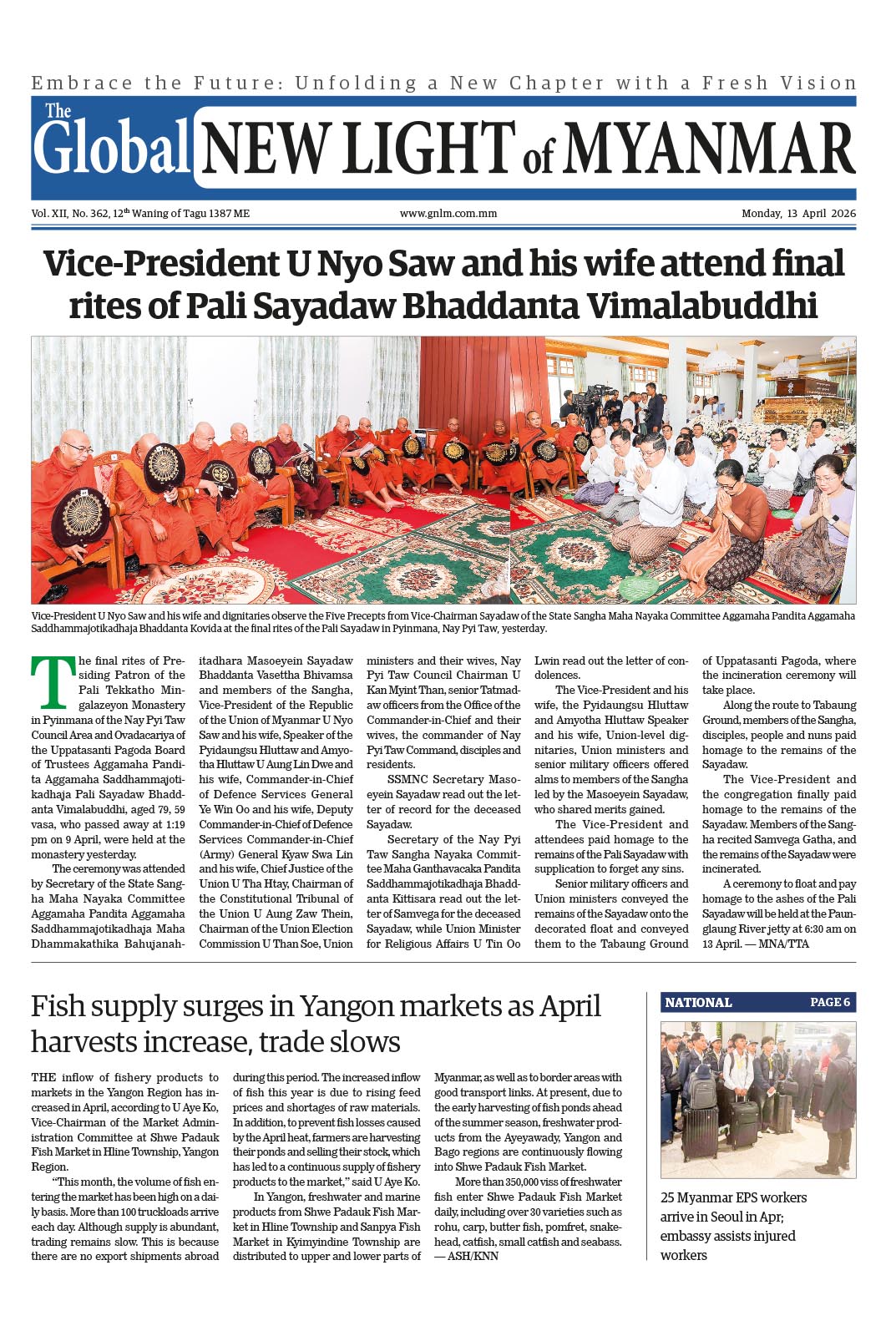
On 3 April, the military-led government formalised the transition of Min Aung Hlaing to the presidency. To project an image of stability to the international community, the state has orchestrated “Grand Thingyan” celebrations. From a legal perspective, however, this is ritual without substance, a performative “wash” designed to entrench impunity and distract from the collapse of the rule of law.
The inspiration for this reflection comes from my annual Easter meditation retreat — a time of silence that stands in stark contrast to the loud, state-mandated festivities currently being prepared in the capital cities of Myanmar, even as so many places in the regions still suffer from constant bombings and airstrikes from the junta. To understand the gravity of this distortion, one must look to the legacy of Sayagyi U Ba Khin (1899–1971).
Long before his student S.N. Goenka (1924–2013) globalised the practice of Vipassana, U Ba Khin served as the first Accountant General of a newly independent Burma. He was a man who inhabited two worlds: government finance and the silent discipline of the Dhamma. For U Ba Khin, the “Vipassana way of thought” was not an escape from civic duty, but the engine of it. He believed that a state official could only serve the public if they first mastered their own mind, rooting out corruption through self-observation. He proved that integrity is the ultimate foundation of the state.
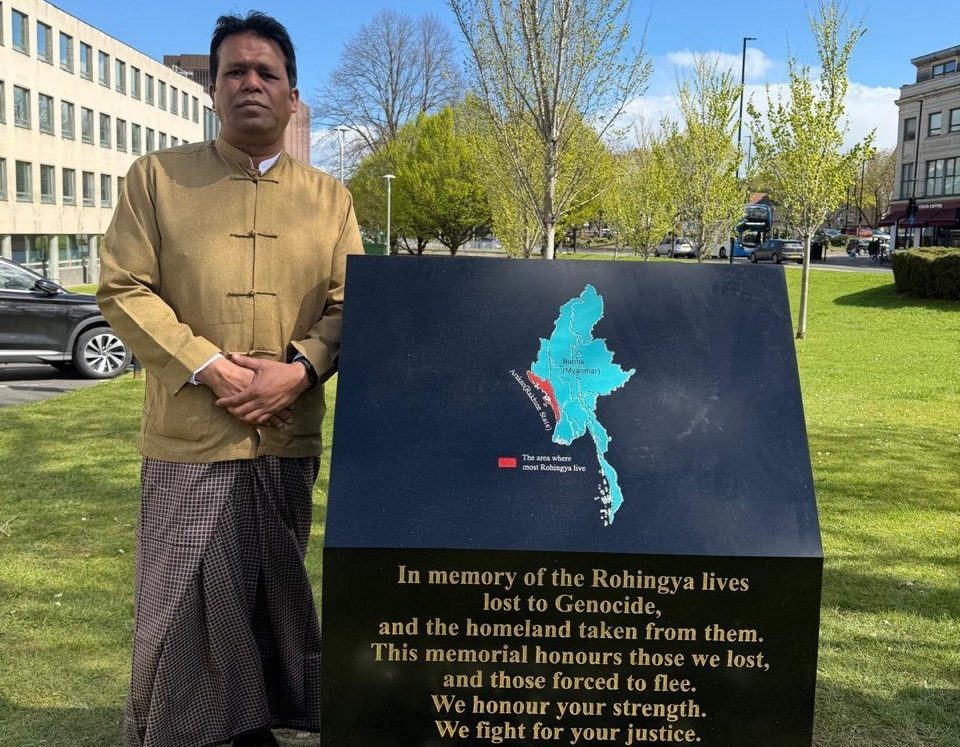
Today, that legacy is being inverted. The current leadership’s transition into a nominally civilian presidency is an attempt to use the machinery of the state to hide from reality. As a lawyer working with those forced to flee, I see the human cost of this deception daily. It is written in the case files of the more than 3.7 million people now internally displaced across Myanmar, families who have been stripped of their homes and their legal standing.
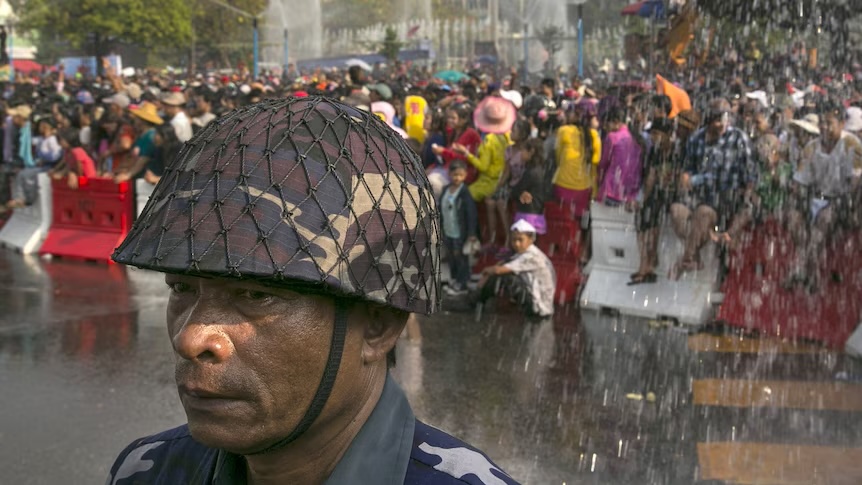
The tragedy is compounded by the lingering aftermath of the 2025 earthquake, which little more than a year ago left millions without shelter. While the regime uses high-pressure water hoses to entertain crowds at state pavilions, millions of survivors are still denied the basic “cleansing” of clean water and humanitarian aid due to military blockades.
In the Vipassana tradition, we are taught the law of Anicca, the fundamental truth that all things are impermanent. We learn that suffering arises when we cling to illusions. The regime’s attempt to manufacture a “new start” through a fake presidency and a festive ritual is an illusion that the international community must not validate.
In my own work, meditation serves as a brief weekly window of clarity, but the law remains the tool for justice. Both require us to see things as they truly are, rather than how we wish them to be. The “Silent Thingyan” currently being practised by the people of Myanmar, a collective refusal to celebrate under the shadow of tyranny, is a more authentic expression of the New Year than any state-sponsored party. It is a demand for a return to the integrity modelled by U Ba Khin: a state where the law serves the people, and the truth is no longer a casualty of power.
True renewal for Myanmar will not come from a ritual. It will come from a restoration of the Dhamma of accountability and the safe, dignified return of those who have been forced into the void of displacement.
Ko Ko Aung is a Sydney-based immigration lawyer and human rights advocate for the Myanmar diaspora. He maintains a weekly practice of Vipassana meditation, which informs his professional focus on institutional integrity and the rule of law.