“The Azores, as an insular and outermost territory, is a destination structurally sensitive to disruptions in air accessibility, not only in terms of tourist arrivals, but also with regard to resident mobility, territorial continuity and economic competitiveness,” the professor from the University of the Azores (UAc) told the Lusa news agency.
Sónia Avelar argued that Ryanair’s departure from the Azores could have “effects on connectivity, demand composition and competitive pressure on fares,” a situation that cannot be compensated for “equivalently” by TAP and SATA.
“I think that this compensation [from SATA and TAP for Ryanair’s departure] will be partial, but not equivalent. Compensation is more plausible for the essential mobility of residents than for the tourism operation itself,” he stated.
He continued: “In terms of tourism, what matters is not only the volume (number of available seats), but also the price, the frequency, the availability of direct flights and the diversity of source markets.”
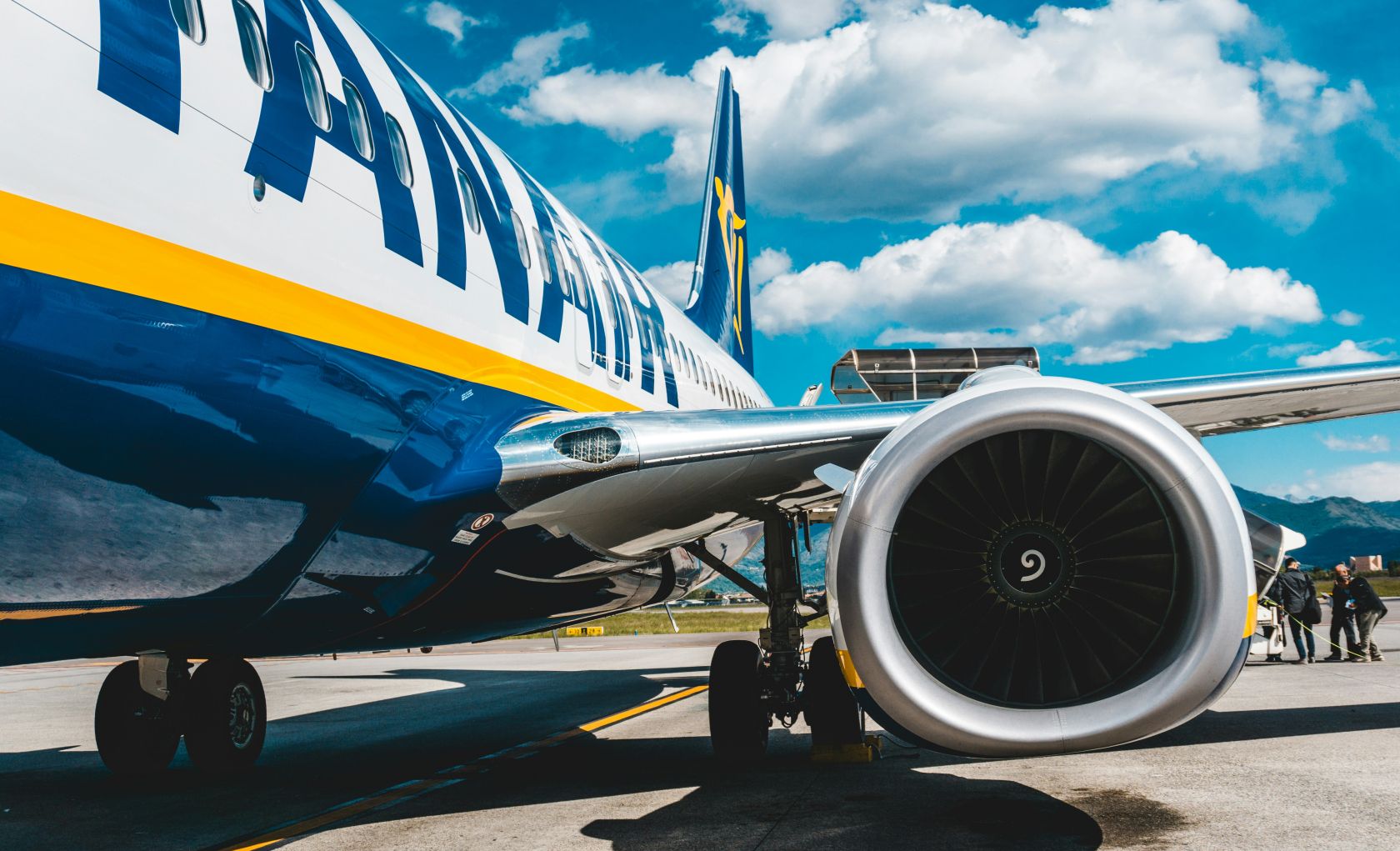
The end of Ryanair’s operations in the Azores, which occurred on 29 March, has generated concern among business owners and residents, with the Azores Government (PSD/CDS-PPM) arguing that SATA and TAP “have the capacity” to “fill the gap” left by the Irish carrier.
The tourism researcher considered that the impact of the end of Ryanair’s operations “may not only be quantitative, but also qualitative, given that different types of airlines attract distinct segments of tourists.”
Sónia Avelar mentioned, for example, that the departure of the Irish carrier could “affect more intensely tourist consumers who are more sensitive to prices” and recalled the effects of such companies after the liberalisation of Azores airspace in 2015.
“The entry of ‘low-cost’ companies after the liberalisation of the Azores airspace was associated with tourism growth, higher occupancy rates, and diversification of markets and visitor profiles, so Ryanair’s departure could translate into a reverse movement,” she explained.
The professor, who teaches “Transport and Mobility in Tourism” at the University of the Azores, considered that Ryanair’s departure “should lead to more redundant, diversified, and intelligent planning” of the Azores as a tourist destination.
“It is essential to diversify airlines and source markets, protect resident mobility, monitor prices, frequencies and seasonality, and strengthen the destination’s value proposition, aligning accessibility policies with sustainable tourism objectives,” she argued.
According to the researcher from the Center for Applied Economic Studies of the Atlantic (CEEAplA), the objective should be to make “consumer choice less dependent on the price of the flight and more on the overall quality of the experience,” considering that the “strategic focus should concentrate on consolidating value,” on “operational quality” and on “loyalty.”