- by croatiaweek
- April 3, 2026
-
in
News
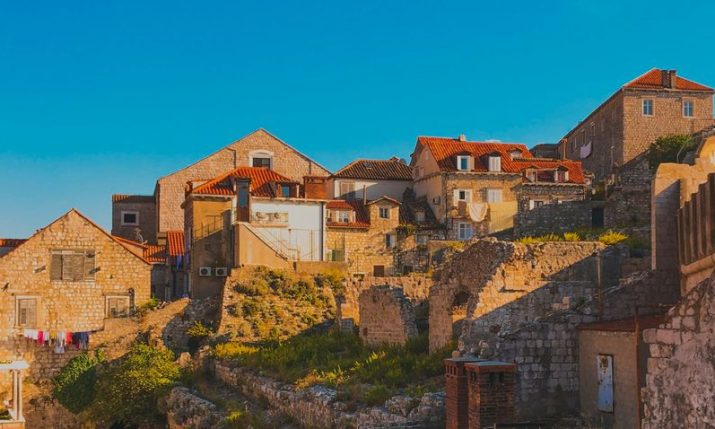
ZAGREB, 3 April 2026 – Property prices in Croatia continued their strong upward trend at the end of 2025, with residential property values rising significantly across the country, according to the latest figures released on Friday by the Croatian Bureau of Statistics.
Data from the housing price index shows that residential property prices increased by 3.4% in the fourth quarter of 2025 compared with the previous quarter.
On an annual basis, the growth was even more pronounced. Prices were on average 16.1% higher than in the fourth quarter of 2024, highlighting the continued strength of Croatia’s property market.
Over the full year, the average price of residential properties increased by 14.1% compared with the previous year.
Both new and existing homes more expensive
Prices rose across both segments of the market.
New residential properties saw prices climb 3.5% quarter-on-quarter, while they were 14.7% higher year-on-year.
Meanwhile, existing properties also recorded strong growth, increasing 3.4% compared with the previous quarter and 16.4% compared with the same period in 2024.
Regional differences in price growth
Price increases were recorded across all parts of the country, although the pace of growth varied by region.
Compared with the third quarter of 2025:
• Prices in Zagreb rose by 1.2%
• Prices along the Adriatic Coast increased by 4.9%
• Prices in the rest of the country grew by 5.2%
Year-on-year growth also showed clear regional differences.
Residential property prices increased:
• 14.9% in Zagreb
• 14.5% on the Adriatic
• 23.3% in other regions of Croatia
The latest figures underline the continuing demand for property across Croatia, particularly outside the capital, where price growth has been strongest.
With steady demand from domestic buyers as well as international interest in coastal real estate, Croatia’s property market remains one of the most dynamic sectors of the country’s economy.
The newest data suggests the upward trend in housing prices is likely to remain a key topic in Croatia’s economic landscape heading into 2026.