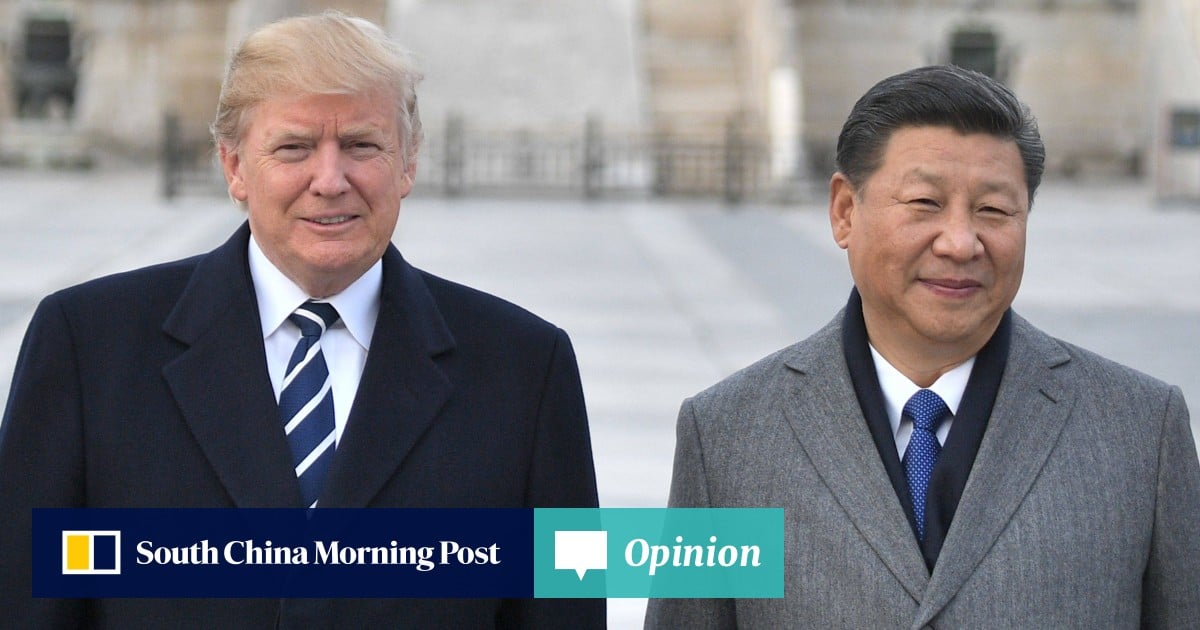
The Trump administration has assured us that the long-awaited summit in Beijing between President Xi Jinping and US President Donald Trump will now be held on May 14 to 15.Whether you believe the meeting will go ahead is up to you. Beijing has not confirmed it, but neither has it contradicted the White House. That is more than can be said for Tehran’s brutal response to White House claims that US-Iran peace negotiations are under way.Even if we take the White House summit claim at face value, we then have to ask: why? Given the issues currently in contention between the United States and China and the doubts over whether even the most fleet-of-foot diplomacy can weasel some areas of agreement for a credible joint statement, there are many observers who see little upside in a meeting between the two leaders just now.
As political scientist Zhiqun Zhu wrote in ThinkChina, “How can China still welcome [Trump] as if nothing has happened? And how can China justify this visit to Global South countries that look up to China for global leadership?”
These questions are difficult to answer. Beijing’s views on US activities in Venezuela or Iran are fairly clear, as are its views on the Trump administration’s global tariff war and its efforts to block China’s exports and cut the country’s access to semiconductors and other technology needed for its technological progress.China has also made clear its view on US efforts to hamper the World Trade Organization (WTO) and the rules-based multilateral cooperation it espouses. Only last weekend at the WTO Ministerial in Yaounde, Cameroon, China’s Commerce Minister Wang Wentao called on ministers to safeguard core “most favoured nation” trading rules, to “jointly send a firm message in upholding the multilateral trading system, and unequivocally oppose unilateralism and protectionism”.