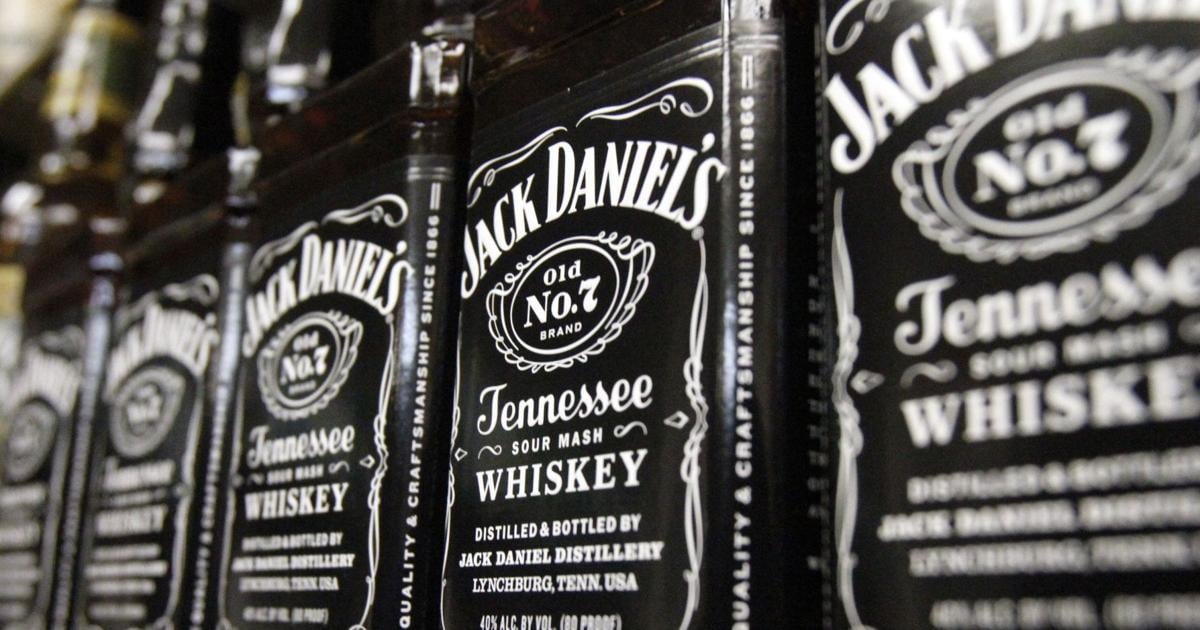
LONDON — France’s Pernod Ricard and Jack Daniel’s owner Brown-Forman are in discussions about a possible merger, the companies said March 26, a move that would unite the world’s second-largest spirits maker with the largest producer of American whiskey.
Spirits companies are battling a multiyear sales slump amid slowing demand and tariff pressures, which has triggered a slide in valuations, CEO exits and asset sales to cut costs.
Shares of Brown-Forman, which has a market capitalization of about $11 billion, ended up nearly 9 percent after the talks were announced, while those of Pernod, the maker of Absolut vodka and Chivas Regal whiskey, fell nearly 6 percent.
Pernod Ricard has a U.S. market value of about $18.45 billion and an extensive spirits portfolio that includes Irish whiskey, scotch and tequila, but relatively little exposure to American whiskey.
Both companies have recently announced restructuring plans, including job cuts at Brown-Forman. Cash-strapped or health-conscious drinkers in key markets like the U.S. already were cutting back on drinking before President Donald Trump’s administration raised import tariffs, while emerging threats like fast-growing cannabis drinks also threaten sales.
Tariffs have also forced spirits companies to absorb price increases or pass them on to drinkers, hurting sales.
A potential merger would result in “significant” operational synergies, the companies said, adding that they will not comment further until a deal is reached or discussions are terminated.
Javier Gonzalez Lastra, an analyst at Berenberg, said a merger between the two companies would not solve their growth challenges, though he noted there were clear synergies.
“They have clear overlaps in the U.S., there is also some overlap in Europe,” he said, adding that a deal could deliver “significant cost savings.”
“I see this as a defensive move, given the industry environment.”
TD Cowen analysts pointed out in a note that the Brown family, which has significant voting control in Brown-Forman, has resisted such deals in the past, but may be more receptive given the industry’s weak growth and uncertain timeline for recovery.