MONROVIA – The latest statement from the Executive Mansion following Thursday, March 26, 2026, Cabinet meeting underscores a familiar yet urgent narrative, a government pledging to safeguard Liberia’s vast natural resources while acknowledging persistent challenges in the mining sector. Yet, beyond the polished rhetoric, critical questions remain about whether this commitment will translate into measurable action.
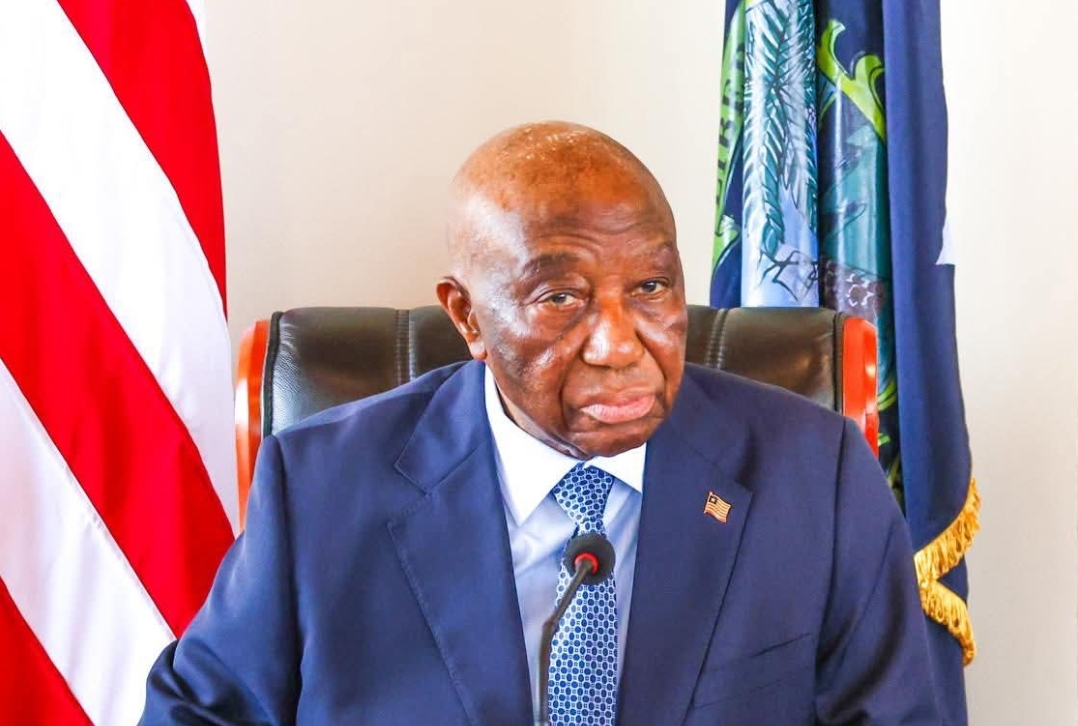
At the center of the statement is Joseph Nyuma Boakai’s renewed vow to safeguard Liberia’s mineral wealth. His declaration that the administration will “do all within its authority” signals intent, but Liberians have heard similar assurances before. The real issue is no longer what is promised, but what is enforced.
The Cabinet meeting, themed around mineral-led development and national prosperity, touched on key reforms, including the finalization of mining regulations and the development of a new mining law. These are commendable goals. But how long will these reforms remain trapped in policy discussions without implementation timelines and public accountability benchmarks?
One of the President’s most striking admissions was the lack of transparency in the mining sector. His acknowledgment that the government often does not fully know what resources are being extracted raises a troubling question, how can a country protect what it cannot accurately measure?
If companies declare iron ore while potentially extracting other valuable minerals, then Liberia may be losing millions, if not billions, in unreported revenue. Who is monitoring these concessions, and why has this gap persisted for so long despite decades of mining activity?
The President’s call for investing in Liberian expertise in geology, mining engineering, and resource management is both timely and necessary. However, it prompts another question: why has this not been a priority until now, when the consequences of neglect are already evident?
Equally important is the President’s insistence that Cabinet members must interrogate how Liberians are benefiting from resource extraction. This is perhaps the most critical question of all. After years of mining concessions, why do many communities remain underdeveloped, lacking basic infrastructure and services?
Environmental concerns, including water pollution and land degradation, were also highlighted. But beyond acknowledgment, what enforcement mechanisms are in place to hold companies accountable for environmental damage? Are regulatory agencies equipped and empowered to act without political interference?
President Boakai’s reference to legacy agreements signed by previous administrations adds another layer of complexity. While it is true that government is continuity, should outdated and unfavorable agreements continue to bind Liberia if they undermine national interest?
The mention of infrastructure challenges, such as roads linked to mining concessions, underscores a long-standing issue, agreements that prioritize extraction over development. Why were these deals structured in ways that leave the country with minimal long-term benefits?
To his credit, the President rejected the notion of making excuses, emphasizing that his administration will not simply inherit problems without seeking solutions. Yet, the critical question is whether this resolve will withstand political pressure and entrenched interests within the sector.
The balance between honoring investor agreements and ensuring national benefit is delicate. Investors seek profit, but at what cost to Liberia? Can the government renegotiate terms without discouraging investment, or will it continue to operate within frameworks that favor foreign interests?
The call to adopt global best practices is encouraging, but it must go beyond rhetoric. Which countries serve as models, and how soon will Liberia begin to implement these standards in a way that citizens can see and feel?
At the local level, the President’s remarks on accountability reveal another uncomfortable truth. The perception that local officials are less corrupt due to limited scrutiny suggests a governance gap that could be fueling illegal mining activities. Who is monitoring the monitors?
President Boakai is correct in stating that the responsibility lies with the central government. Liberia’s resource wealth is both a blessing and a test of leadership. The question now is whether this administration will break from the past or become another chapter in a long history of missed opportunities.
Liberians are left with pressing questions. Will transparency finally be enforced? Will illegal mining be confronted decisively? And most importantly, will the country’s natural wealth begin to translate into real prosperity for its people or remain a promise repeated but never fulfilled?