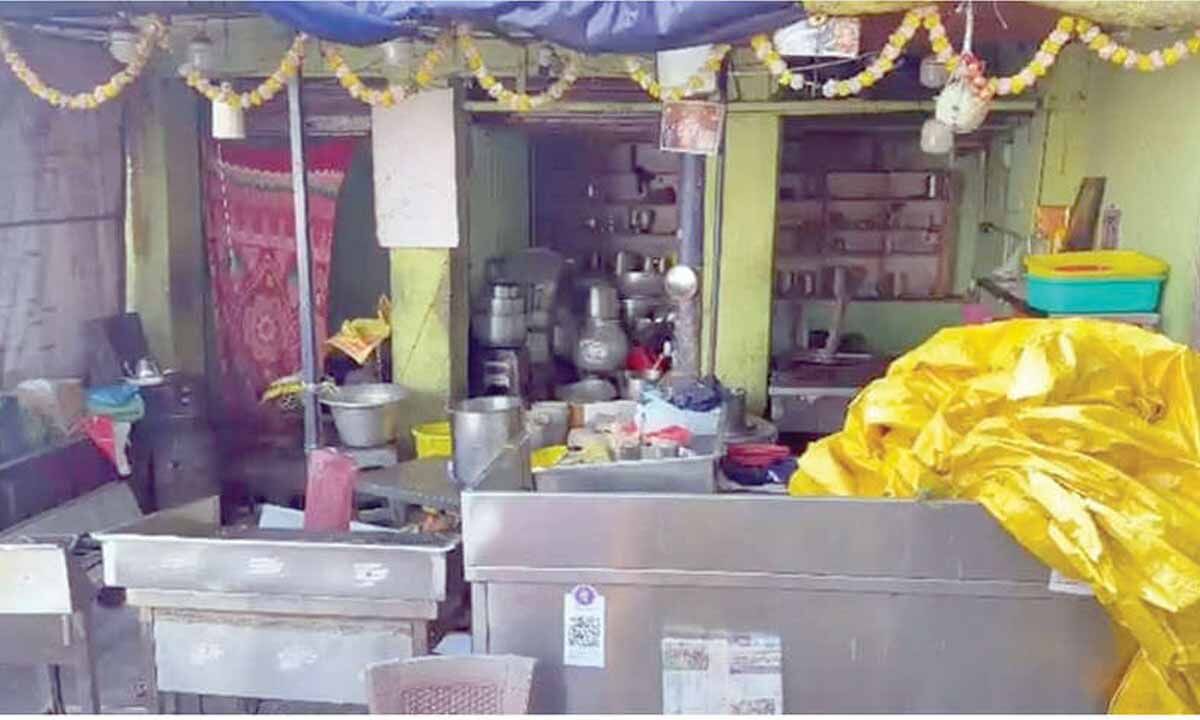
Tirupati: A breakdown in LPG supply is adding pressure to Tirumala’s tightly managed pilgrimage system, as food delays disrupt the flow of devotees during peak hours. The disruption, triggered by an ongoing shortage of commercial cooking gas, is beginning to affect how efficiently pilgrims move through the hill town, with dining facilities emerging as unexpected congestion points.
Food outlets that normally operate at high speed to cater to continuous pilgrim inflow are struggling to maintain output. With LPG refills arriving irregularly, several hotels and tiffin centres have been forced to rely on firewood and coal-based cooking to keep operations going. While the alternative fuels have prevented closures, they have significantly slowed food preparation, resulting in longer queues and delayed service, particularly during rush hours following darshan.
Traders say the core issue lies in inconsistent cylinder supply. Many establishments reportedly wait days for commercial LPG deliveries, creating uncertainty in daily operations.
The shortage has also fuelled a parallel market, where commercial cylinders are said to be sold for Rs 3,000-3,500 without assurance of steady supply. At the same time, allegations persist that subsidised domestic cylinders are being diverted and illegally sold at prices ranging from Rs 2,000 to Rs 2,500.
The operational shift has reduced the ability of eateries to handle sudden surges of pilgrims. Cooking with firewood requires additional labour and longer preparation time, making it difficult to serve large crowds quickly. Several traders admit they have trimmed menu options and increased prices to cope with higher fuel expenses and slower production cycles.
Pilgrims are already feeling the impact. Many devotees emerging from temple visits expect quick meals before continuing their travel, but are instead encountering extended waiting periods even for basic items such as tea or breakfast. Visitors, especially elderly pilgrims and families travelling with children, say the delays are adding fatigue to an already demanding journey.
Attempts to switch to electric cooking have not offered relief. According to traders, proposals to use electric stoves were declined by the Tirumala Tirupati Devasthanams (TTD) electricity department, which cited technical limitations in the hill town’s power infrastructure. Officials explained that the existing distribution network was designed for limited commercial load and cannot sustain the continuous high power demand required for large-scale cooking. Excessive load, they warned, could lead to transformer stress, feeder tripping, voltage fluctuations and wider power disruptions affecting essential services.
Further, the growing dependence on firewood and coal has introduced environmental and health concerns. Rising demand for wood sourced from surrounding rural areas has pushed up fuel prices, while experts caution that prolonged smoke exposure may affect workers’ health and contribute to increasing air pollution in the sensitive hill environment.