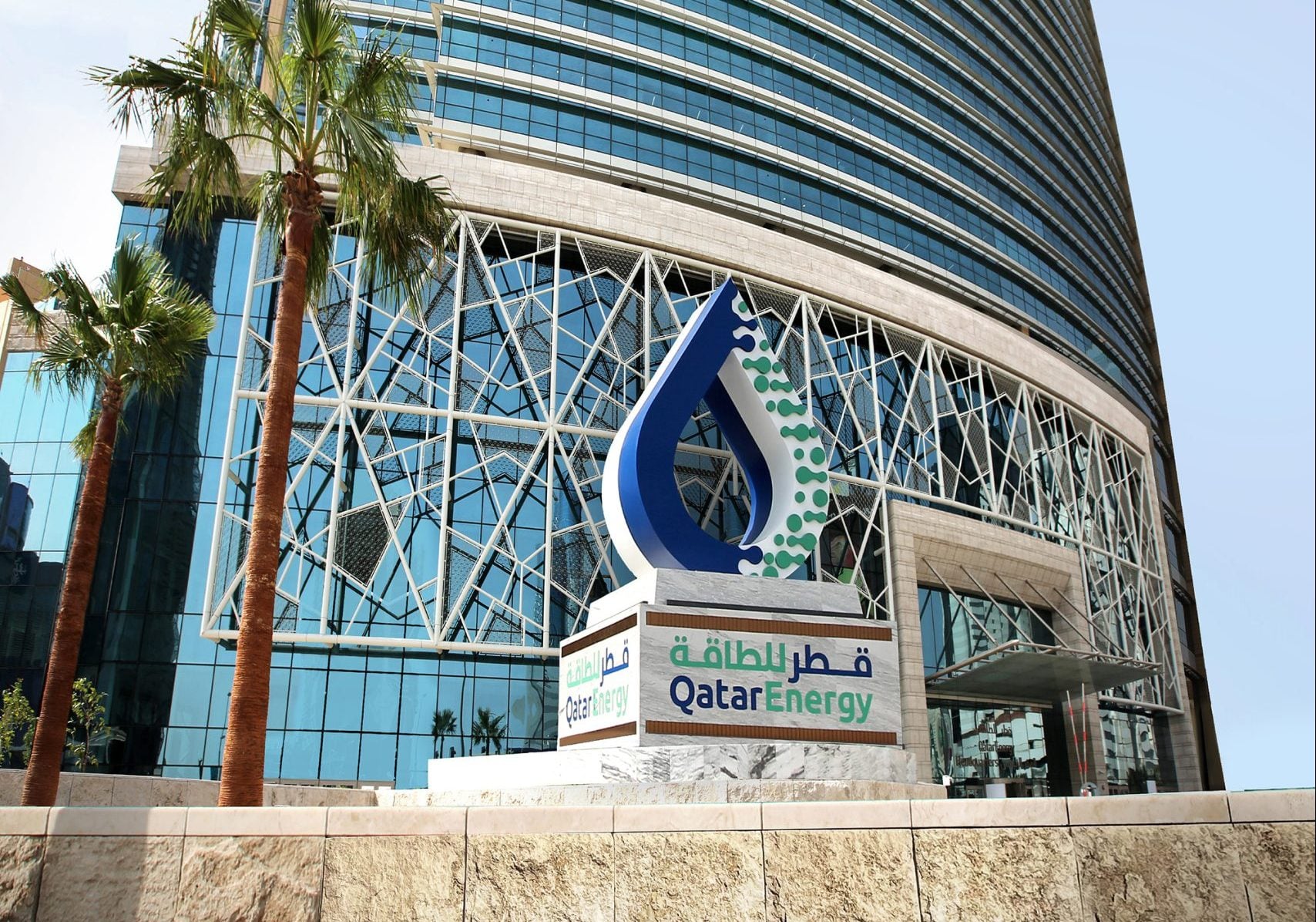
QatarEnergy has declared force majeure on some long-term liquefied natural gas contracts after Iranian attacks on its facilities reduced the country’s export capacity.
QatarEnergy has declared force majeure on a number of its long-term liquefied natural gas (LNG) contracts, affecting customers in Italy, Belgium, South Korea and China, as the ongoing U.S.-Israeli war on Iran continues to disrupt production and global energy supplies.
Force majeure is a contractual clause that allows a party to suspend or delay obligations due to events beyond its control.
The move follows damage to Qatar’s gas infrastructure after Iranian strikes targeted facilities in Ras Laffan, which Qatar’s Minister for Energy Affairs and QatarEnergy CEO Saad Al-Kaabi, said had cut about 17 percent of the country’s LNG export capacity.
Al-Kaabi said that two of Qatar’s 14 LNG trains and one gas-to-liquids facility were damaged, adding that repairs would take between three and five years, affecting around 12.8 million tonnes of annual output and causing an estimated $20 billion in lost annual revenue.
The disruption comes amid wider regional escalations that have shaken global energy markets. Iran has severely disrupted traffic through the Strait of Hormuz, a critical waterway for roughly one-fifth of the world’s oil and LNG trade. On March 22, Iranian media reported that an Iranian official said the strait remains open to shipping not linked to states it considers adversaries.
The latest escalation in Gulf energy markets intensified after Israeli strikes on Iran’s South Pars gas field on March 18, prompting threats and retaliatory attacks on energy infrastructure across the region.
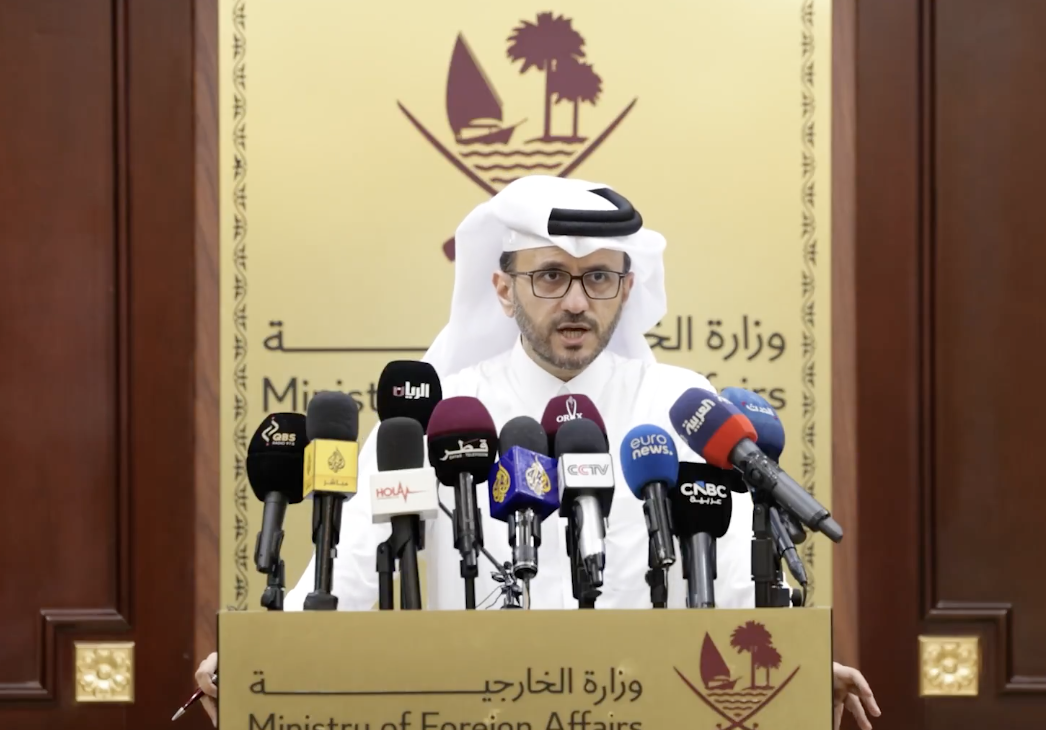
Qatar condemned the Israeli strike on South Pars, which Foreign Ministry spokesperson Majed Al-Ansari said was “a dangerous & irresponsible step” and a threat to global energy security.
The Israeli targeting of facilities linked to Iran’s South Pars field, an extension of Qatar’s North Field, is a dangerous & irresponsible step amid the current military escalation in the region.
Targeting energy infrastructure constitutes a threat to global energy security, as…
— د. ماجد محمد الأنصاري Dr. Majed Al Ansari (@majedalansari) March 18, 2026
Gulf countries have also denounced continued strikes on energy facilities across the region, warning that such attacks violate international law and risk further destabilising global markets.