Against the backdrop of international tensions and significant increases in fuel prices, Romania’s business community needs government intervention
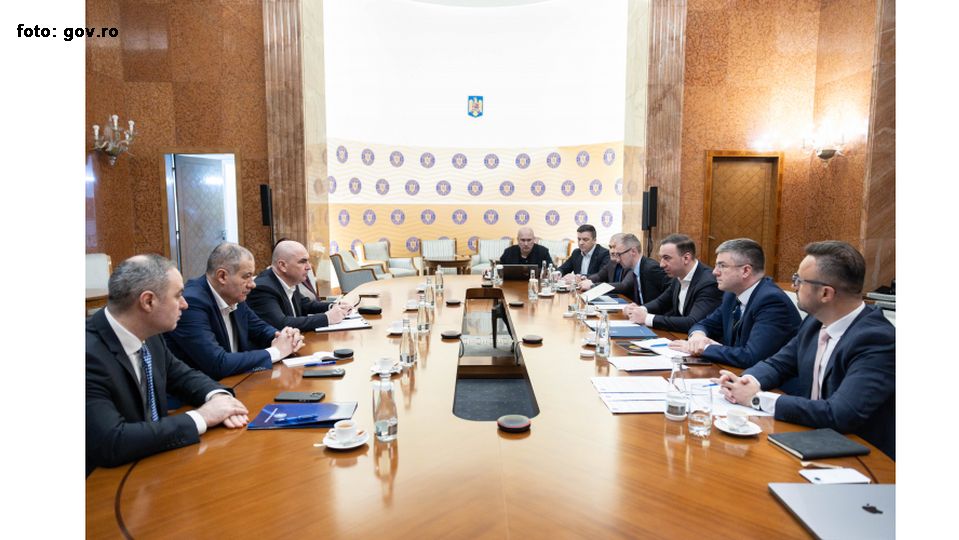
grupul de lucru pentru analizarea creșterii prețurilor la combustibili
Corina Cristea,
24.03.2026, 14:00
Rising fuel prices are the main impact of the conflict in the Middle East on Romania’s business environment, according to over 60% of respondents to a survey conducted last week by IMM Romania. In second place is accelerating inflation, and in third place, the decline in foreign trade with countries in the region, which is slowing Romania’s economic growth. Government intervention and the convening of the Tripartite Council by the government are necessary, says Florin Jianu, president of IMM Romania (National Council of Small and Medium-Sized Private Enterprises in Romania), who presented the study’s results and warns that rising fuel prices are affecting the entire business environment and could lead to social unrest.
“In response to the question: ‘What are the main measures the government should take to support the business environment, given the overlapping crises in the Middle East and Ukraine?’—71.2% of entrepreneurs cited a temporary reduction in fuel excise duties, 45.5% mention offsetting the increase in fuel excise duties for transporters and agriculture until the end of 2026, 40% of entrepreneurs need loans and guarantee facilities, and similarly, nearly 40% mention reducing the price of electricity.”
Transport operators are also sounding the alarm about excise duties and the price per liter of diesel. They say that Romania has one of the highest excise duties in the EU, and freight carriers are bound by contracts signed at the beginning of the year, with the risk that they may not be able to fulfill these service obligations, meaning goods may not reach store shelves. Another major risk is that students who commute daily via public transportation may no longer be able to get to school. Policy makers in Bucharest have analyzed the rise in fuel prices and identified measures that can protect the Romanian population and economy for a period of six months, measures that may be extended for another three months. Energy Minister Bogdan Ivan has stated that the main measures will consist of limiting diesel exports from Romania, capping the markups of oil industry companies at 50% of last year’s average, creating a mechanism to prevent companies from artificially driving up fuel prices at gas stations, and eliminating the requirement for a minimum 8% biofuel blend in gasoline.
With regard to exports and intra-Community shipments of gasoline and diesel, these may be carried out by economic operators only with the prior written consent of the Ministry of Economy, Digitalization, and Entrepreneurship and the Ministry of Energy. These decisions come amid a complex international context, in which all European countries are taking intervention measures to limit price increases, whether in the electricity or fuel markets. These measures include taxes, price caps, subsidies, restrictions at gas stations, or controls to verify the extent of price increases by companies. The European Commission is concerned about this development, but says that at this point there is only a price crisis, not an oil supply crisis. (MI)