By Dr. Ali Said Faqi
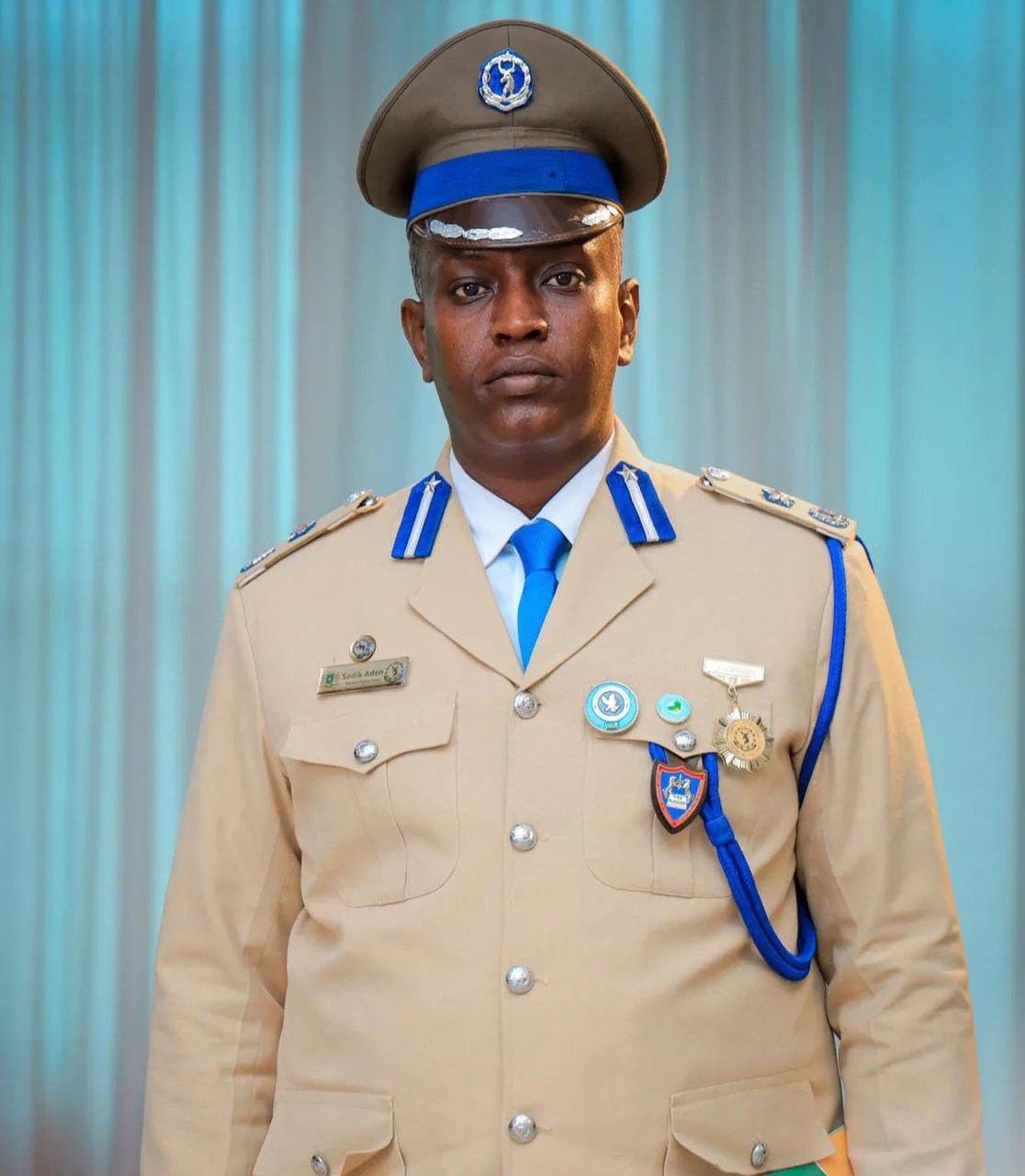
Speaker, South West State Parliament, Somalia
Somalia is once again having a familiar argument; how do we choose our leaders in a way that people can trust? In this Op-ed I will lay out the options on the table, weigh their strengths and weaknesses, and conclude with a clear assessment.
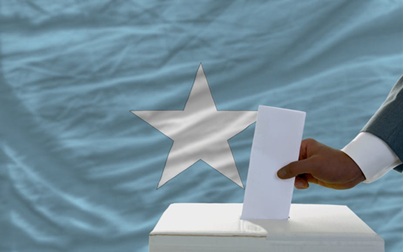
The options are: On one side, there is the current system of indirect elections of the past 14 years. On the other, the push for one-person-one-vote, strongly advocated by President Hassan Sheikh Mohamud. At first glance, the answer might seem obvious. Of course, people should vote directly. That is what democracy is supposed to look like.
But the issue is never that simple. This debate is not about which system sounds better on paper. It is about trust, power, and whether the institutions we have today can deliver a fair outcome.
The Indirect System: Broken, Yet a bit Balanced
Let’s be honest, the indirect election system is deeply flawed. First, the selection of Members of Parliament is heavily influenced by federal member state leaders. This means political loyalty often matters more than competence or public support. Second, the process tends to serve political interests rather than the wider population. Ordinary citizens are largely spectators in a system that is supposed to represent them. Third, the outcomes are often predictable. In many cases, deals are made in advance, and what follows is more confirmation than competition. Fourth, corruption is a constant concern. Money, influence, and pressure can shape who gets selected, which weakens the legitimacy of the entire process.
These are not small problems. They explain why many Somalis have little confidence in the system. And yet, despite all of this, the system has two important features: power is shared. In most cases, no single actor controls everything. Federal states, elders, and political actors all have influence. It is not clean or fair, but it prevents total control from being concentrated in one place and it also respects the power sharing structure.
One-Person-One-Vote: The Right Idea, but Shaped by One Man
Now let’s look at the proposed one-person-one-vote system. In theory, it is the right direction. Every citizen vote, and every vote carries equal weight. That is the ideal. But the problem is not the idea, it is how it is being designed and who controls it.
First, the electoral commission is not widely trusted to act independently. If the body running the election is seen as aligned with the government, confidence in the results is weak from the start. Second, the entire voting process, including machines and software, is controlled by the same commission. Without strong oversight, this raises serious concerns about transparency and the possibility of manipulation. Third, Somalia’s 4.5 power-sharing system does not fit neatly with a one-person-one-vote model. This makes representation unclear and vulnerable clans may lose their seats. Fourth, the model itself appears to be driven from the top. It is not the result of broad national agreement, which makes it politically fragile. Fifth, there is a clear imbalance of power. The president’s party has more financial and institutional resources than its competitors. In a direct election, that advantage can shape the entire process, from campaigning to outcomes.
In summary, these issues raise a serious concern: the system could appear democratic on the surface, but in practice be tightly controlled.
What This Really Comes Down To?
When you compare the two systems, the differences become clearer. The indirect system is flawed because it is controlled by multiple actors, influenced by money, and disconnected from the public. But power is spread out.
The proposed one-person-one-vote system carries a different risk. It could concentrate power in institutions that are not fully trusted, and possibly in the hands of one central authority.
Neither system is clean. Neither system is fully fair. But the danger of replacing one flawed system with another that is even less trusted is real. Replacing one corrupt election model with a more corrupt one does not fix anything. It risks increasing tension and could push the country toward political violence. Recent district council elections in Mogadishu have already raised questions that should not be ignored.
For one-person-one-vote to work, certain conditions must exist. There must be an electoral commission that people trust. The process must be transparent. There must be agreement across political actors. And the system must fit Somalia’s realities. Right now, these conditions are not fully there. Until they are, it may be safer to keep the indirect system while working to improve it. It is not ideal, but it avoids concentrating power too quickly in one place. At the end of the day, this is not just about elections. It is about whether Somalis can trust the system that governs them. Without the trust in place, it is wiser to maintain the indirect election model until the necessary confidence is built.
By Dr. Ali Said Faqi
Speaker, West State Parliament, Somalia
Email:issrali2013@gmail.com