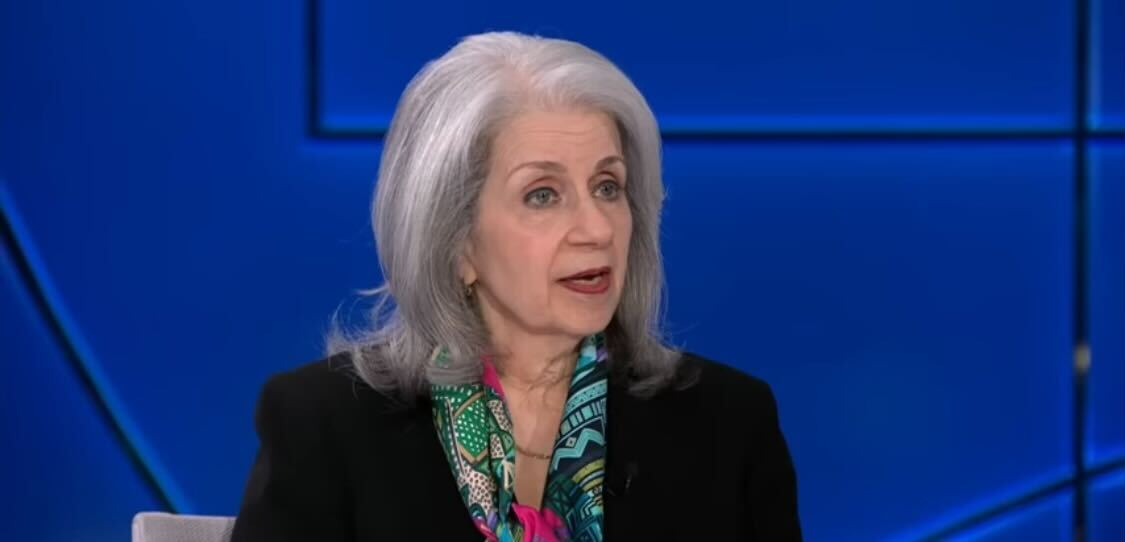
Former U.S. ambassador Susan Ziadeh warned that Gulf leaders, who opposed the war from the start, now face unwanted tensions with Iran amid strategic attacks affecting key energy facilities and shifting regional dynamics.
In an interview with PBS, former U.S. ambassador Susan Ziadeh outlined the precarious position Gulf leaders now find themselves in.
“They didn’t want this war and warned against it, predicting the current fallout. Their anger is palpable, especially with Iran’s involvement, placing them in an unwanted position,” she said.
Ziadeh stressed that Gulf states had opposed the conflict from the outset, accurately foreseeing the negative consequences that are now unfolding.
She highlighted the significant impact of Israeli strikes on the Pars Gas Field, particularly noting the extensive range of countries affected by Iran’s retaliatory actions.
She mentioned attacks on a Saudi refinery co-owned with ExxonMobil, as well as incidents in Fujairah, UAE, and Ras Laffan, Qatar, stressing the complexity of the situation.
She pointed out that the Qatari side of the gas field is notably more productive, accounting for 20 percent of the world’s LNG, exported via the Strait of Hormuz.
Additionally, she noted the facility’s role in producing fertilizers and 30 percent of global helium, both of which are crucial for medical imaging and semiconductor technology.
The former ambassador also explained that Iran is broadening the battlefield through its recent attacks.
She said the strikes on key facilities and the Strait of Hormuz are intended to pressure the United States and other countries while leveraging the economic impact to advance Iran’s interests.
She argued that Iran understands how these actions affect the global economy and views them as a possibility to push towards a better solution, stressing that Tehran is fully aware of the global repercussions of its actions.
Ziadeh further reflected on the Gulf leaders’ broader concerns and regional strategy.
She noted the substantial investments Gulf nations have made in their relationship with the United States, including military bases and joint exercises under CENTCOM.
While she believes the U.S.–GCC relationship remains stable, Ziadeh suggested there could be a shift towards “hedging,” with Gulf countries exploring partnerships with European allies or other nations to enhance security and engagement in a rapidly changing regional environment.