BANDAR SERI BEGAWAN – The Ministry of Health (MoH) has proposed a B$646 million budget for FY 2026/27, aimed at driving efficiency while maintaining high standards of safe and accessible care.
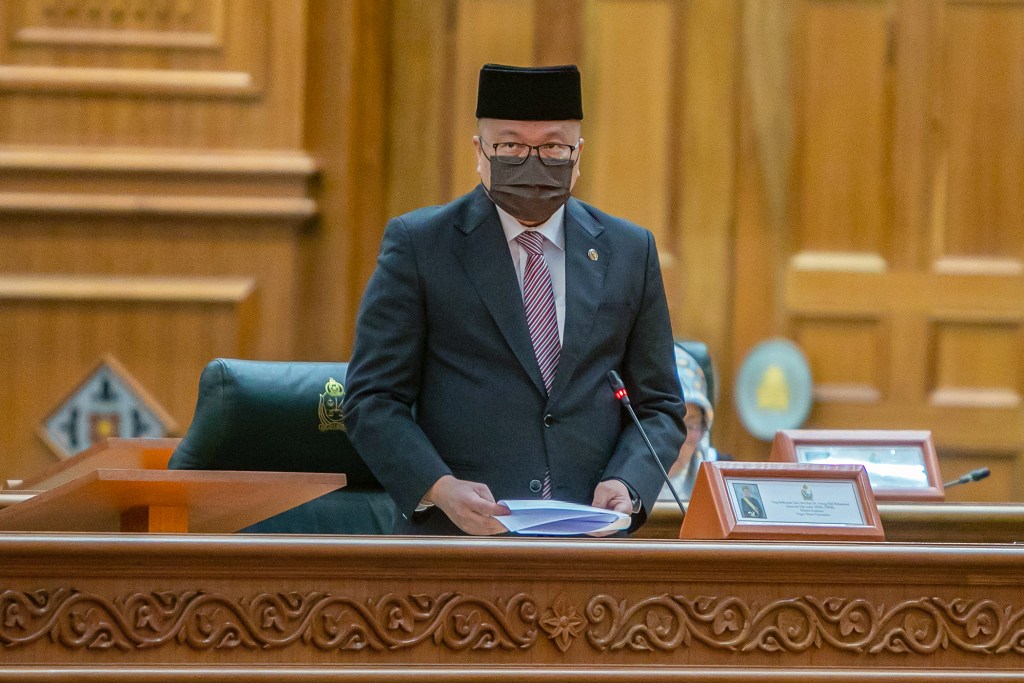
During Tuesday’s Legislative Council session, Health Minister Dato Dr Hj Md Isham Hj Jaafar provided a snapshot of Brunei’s medical landscape, highlighting rising cost pressures and the ongoing digitalisation of the healthcare system
Improving health outcomes
Brunei currently allocates 2.2% of its GDP to healthcare—roughly half the regional average of 4% to 4.5%, Dato Dr Hj Md Isham said.
Despite this, life expectancy rose from 77.7 years in 2019 to 79.1 years in 2024, moving closer to the Brunei Vision 2035 target of 82 years.
However, the minister noted that specialised care remains a significant cost driver, with B$159 million spent on overseas medical treatments, as well as services provided by local institutions such as the JPMC Specialist Centre and the GJPMC Cardiac Centre.
To curb long-term costs, B$4 million has been earmarked for Health Promotion and Non-Communicable Disease Prevention Programme. Early screening initiatives are already yielding positive results:
• Heart disease: Cardiovascular screenings rose by 85%, with 2,801 people screened between 2019 and 2025.
• Breast cancer: Screenings reached 13,061 women from 2019 to 2025, a 75% increase.
• Colorectal cancer: Screenings have more than doubled from 234 people in 2022 to 513 in 2025 — a 119% jump.
• Cervical cancer: 10,750 women were tested for HPV as of November 2025, with screening numbers growing by nearly 57% over the last two years. 7.9% of those tested were found to have high-risk HPV.
• Diabetes: Since 2024, 25,999 people have undergone diabetic retinopathy screening, with approximately 10% requiring further specialist referral.
Visitors briefed on breast mammograms during the launch of early detection and cancer prevention services at JPMC. Photo: Rasidah Hj Abu Bakar/The Scoop
Dato Dr Hj Md Isham shared that Brunei has now recognised obesity as a non-communicable disease, with the sultanate becoming the first WHO member state to pioneer the WHO Obesity Chronic Care Course through a primary healthcare approach.
The minister also flagged mental health as a growing concern, noting a 17% increase in patients seeking treatment in 2024. The adult psychiatry service at RIPAS Hospital now manages between 35 to 49 new cases every month, as well as 800 follow-ups. Child and adolescent services manage about 10 new cases every month, as well as 50 follow-ups.
Workforce development
Brunei’s healthcare frontline is currently supported by 845 doctors (55% local) and 2,816 nurses (94% local), alongside 460 allied health professionals.
With a ratio of 1.9 doctors and 6.1 nurses per 1,000 people, Brunei remains slightly above the global average of 1.7 doctors and 3.6 nurses per 1,000 people.
To sustain this momentum, the ministry is investing more in its personnel. Between 2020 and 2025, 168 professionals received scholarships, including 10 doctors who completed advanced specialty training.
An additional B$1.1 million has been approved for human resource development in the coming fiscal year.
Digital transformation and infrastructure
The future of Bruneian healthcare is becoming increasingly digital, with Bru-HIMS 2.0 scheduled for a pilot rollout at RIPAS Hospital in October 2026. The new system is expected to enhance data integration and cybersecurity.
Simultaneously, the BruHealth app is also expanding its utility for appointments and queue management with a new AI-powered feature expected in the third quarter of 2026.
Supporting these digital leaps is a B$11 million allocation for physical infrastructure. This includes upgrades to Suri Seri Begawan Hospital and a new block at RIPAS Hospital, alongside the construction of new health centres in Mengkubau and Bandar Seri Begawan.