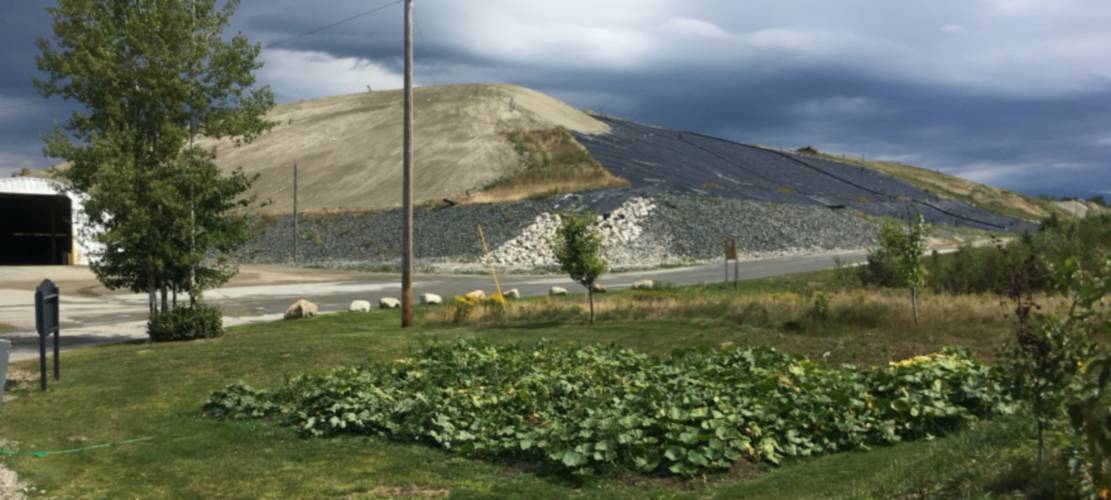
A caveat to start. As I understand — and in my opinion — Casella Waste Systems plans to bring millions of tons of out-of-state trash to New Hampshire’s North Country, pursuing landfill operations in Dalton and Bethlehem, and a trash transfer station in Twin Mountain/Carroll. If these projects are permitted, they will harm the region’s environment and community life for generations.
This is the area where the White Mountains border the Great Northwoods, an area treasured by residents, visitors and vacationers alike. New Hampshire’s backyard. It drives over $1 billion in outdoor recreation and tourism income annually.
State and industry spokespeople report no need for new landfill development in New Hampshire for New Hampshire trash for several decades, but Casella aims to make the North Country New England’s dump, importing trash that will bring them tremendous wealth at the region’s expense.
It is notable that this company just made the largest settlement agreement on record with the New Hampshire Deptartment of Justice for solid waste infractions — a $1.9 million fine — for dangerous, chronic operational and safety violations at its Bethlehem landfill. There is jeopardy for the area’s environment, rural towns and economic vitality as operations continue.
In good news, last April the New Hampshire Department of Environmental Services denied Casella’s solid waste permit for the Dalton dump. However, the corporation has sued the state and filed an appeal with the Waste Management Council to overturn the denial. There is no indication that they will back down. A citizens’ group is engaged in both the lawsuit and the appeal to uphold the state’s decision.
Casella is simultaneously attempting to expand their landfill in Bethlehem that is slated to close permanently in 2027. Against the town’s wishes, the landfill operator is pushing a bill in Concord to overturn the binding legal agreements and zoning regulations that prohibit expansion in Bethlehem (HB 707, amended). The townspeople are working to defeat the proposed bill and retain their control of the town’s future, but the outcome is uncertain.
Further, Casella made a proposal in Twin Mountain/Carroll in December to build a large trash transfer station by 2028 — to handle 200 tons of trash daily. Town officials and citizens are stridently opposed, as they await further information and possible permit applications.
And the company is “working on a rail transfer station … looking at other ways to move waste around the state of New Hampshire.” This interest raises further North Country concerns as freight service is resuming in Whitefield.
In February remarks to shareholders that I found shockingly brazen and callous, Ned Coletta, the corporation’s new CEO, asserted that the Northeast needs New Hampshire’s trash capacity and commented, “there’s a little bit too much local politics…” standing in their way. My understanding is that Coletta’s “local politics” references the fact that, to date, citizen action has prevented the Dalton landfill from being built. And legal agreements in Bethlehem are obstacles to Casella’s intent to force expansion in that community — more troublesome “local politics.” Coletta continued to say the company is working with the legislature to “fix” the problem of local governance and “very much focused on having a good outcome for shareholders.”
Remember as this plays out, New Hampshire doesn’t need more trash capacity, but Casella, a company aggressively acquiring contracts for waste disposal throughout the Northeast, needs a great deal of it. There is a broad coalition of citizens, conservation organizations, scientists, legal experts and legislators working every day to safeguard the North Country’s water, air, land and communities from the degradation of unneeded and irresponsible landfilling and trash handling. They know the environment in the northern part of the state is the foundation of its iconic quality of life and its thriving recreation and tourism industries.
No one can predict the outcome of Casella’s advances in any of these towns. Community opposition is consistently strong and the New Hampshire House of Representatives and Governor Ayotte have favored local control over landfill decisions. However, the Senate is thus far aligned with Casella’s plans.
If you care about the North County — about outdoor fun and playtime in everyone’s backyard — be sure HB 707 is stopped. It aims to usurp local control over landfill developments and leave siting and expansion decisions solely in the hands of the New Hampshire Department of Environmental Services.
Tell your Representatives and Senators you want to see HB 1189 passed to form a Solid Waste Site Evaluation Committee that considers the broad community impacts of major solid waste disposal facilities and mandates public participation in the permitting process. That’s a constitutional and democratic approach that empowers communities to determine if proposed projects bring more public benefit than harm, a time-honored hallmark of New Hampshire governance.
Sarah Doucette has worked with grassroots groups and conservation organizations around New Hampshire since 2019, addressing landfill siting and regulations to establish state-of-the-art waste management policies that will protect the environment and communities statewide. She lives in Whitefield.