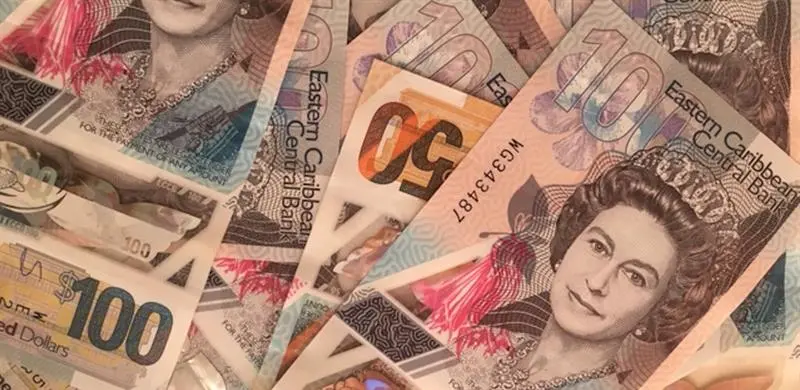
Speaking about the Middle East war, Former Prime Minister Ralph Gonsalves on Monday said currently, the ECCB reserves are sufficient to provide over six months of import cover, serving as a critical buffer for the region in the event of further economic spikes or external shocks.
Gonsalves said the stability of the EC dollar is maintained through a currency board arrangement, which he described as an almost “one-to-one” system where the money in circulation is supported by foreign currency, predominantly US dollars.
By the end of last year, the foreign reserves backing for the EC dollar stood at 97.5%.
Gonsalves noted that while this backing varies, its lowest point in the last five years was 92.2% in 2022. The current high level of backing indicates a solid and sound exchange rate for the region’s currency.
While the current outlook is stable, Gonsalves warned that these reserves face potential threats that could lead to a decline and identified several factors that could pressure the currency union’s financial position.
Declining CBI Earnings: A potential drop in revenue from Citizenship by Investment programs across the union.
Slowdown in Foreign Investment: Uncertainty surrounding large-scale projects and a general slowdown in the construction and state sectors could reduce foreign exchange inflows.
Middle East Conflict: The ongoing war involving Israel, the U.S., and Iran could lead to higher airfares and fuel prices, potentially negatively affecting tourism arrivals, which saw a 17.5% increase last year.
Regional Economic Interdependence: Gonsalves emphasized that because St. Lucia and Antigua are the largest economies in the union, their performance significantly impacts the rest of the region.
Gonsalves stated that while the regional “cover” is currently adequate, St Vincent is entering an uncertain economic period that requires clear leadership and careful judgment to avoid going “south”.
Figures for the net international reserves:
- 2021: 5.23 billion EC dollars
- 2022: 4.98 billion EC dollars (a period when reserves ran down due to fuel price spikes following the invasion of Ukraine)
- 2023: 5.24 billion EC dollars
- 2024: 5.5 billion EC dollars
- 2025: 5.65 billion EC dollars