THE Ministry of Energy Transition and Water (PETRA) has confirmed that the country’s electricity supply remains stable and secure, even as it closely monitors ongoing geopolitical tensions in West Asia following Iran’s closure of the Strait of Hormuz on March 2, an event that has impacted global energy markets.
“The developments in West Asia do not affect the availability or reliability of Malaysia’s electricity supply at present,” Deputy Prime Minister II Datuk Seri Fadillah Yusof said in a statement today.
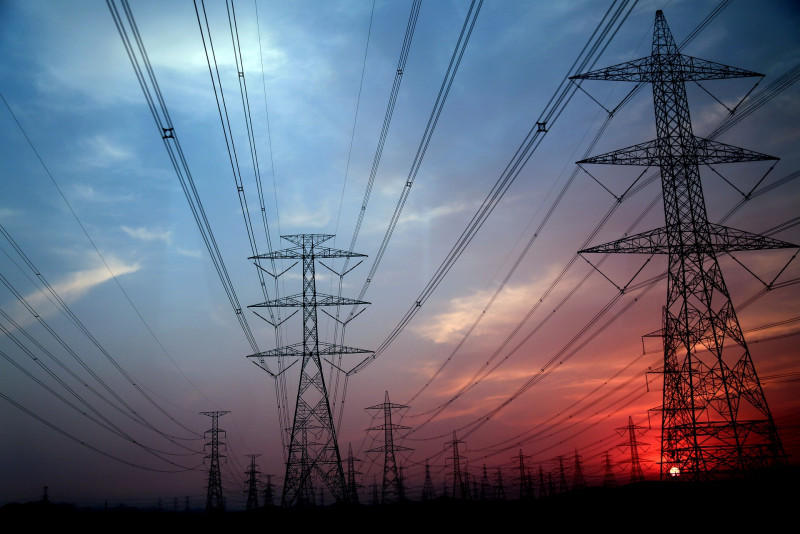
The national electricity generation system in Peninsular Malaysia relies on natural gas for approximately 40 to 45 percent of its energy needs.
Most of this gas is sourced domestically from Kerteh and the Malaysia–Thailand Joint Development Area (JDA).
PETRA confirmed that domestic gas supplies are stable and sufficient to sustain the operation of power plants.
Regarding electricity tariffs, under the Incentive Based Regulation (IBR) framework of the Fourth Regulatory Period (RP4) covering 2025 to 2027, the government remains committed to shielding consumers from fluctuations in global fuel costs.
“Any changes in fuel costs, such as gas and coal, will be adjusted monthly through the Automatic Fuel Adjustment (AFA) mechanism based on actual market fuel prices,” Fadillah, who also serves as Minister of Energy Transition and Water, explained.
At present, domestic consumers using up to 600 kWh per month are fully exempt from fuel cost adjustments.
This means that around 85 percent of domestic users nationwide will not be affected by international fuel price volatility, providing stability for household budgets.
Based on current trends, the AFA rate is projected to remain in rebate until April 2026.
PETRA warned, however, that if global fuel prices continue to rise and tensions in West Asia persist, the AFA rate may change in subsequent months.
Since July 2025, the government has provided RM2,506 million in subsidies, delivered to consumers as electricity bill rebates to promote energy efficiency.
PETRA is also reviewing additional mitigation measures to safeguard consumers in the event that the West Asian conflict escalates and exerts extreme pressure on fuel costs.
The ministry affirmed its commitment to balancing national energy security with consumer economic capacity to maintain electricity tariffs at reasonable levels.
“The public is encouraged to continue practising efficient and prudent electricity consumption,” Fadillah said, adding, “Energy-saving habits not only help reduce individual monthly bills but also contribute significantly to strengthening the sustainability of the national energy system.” – March 15, 2026