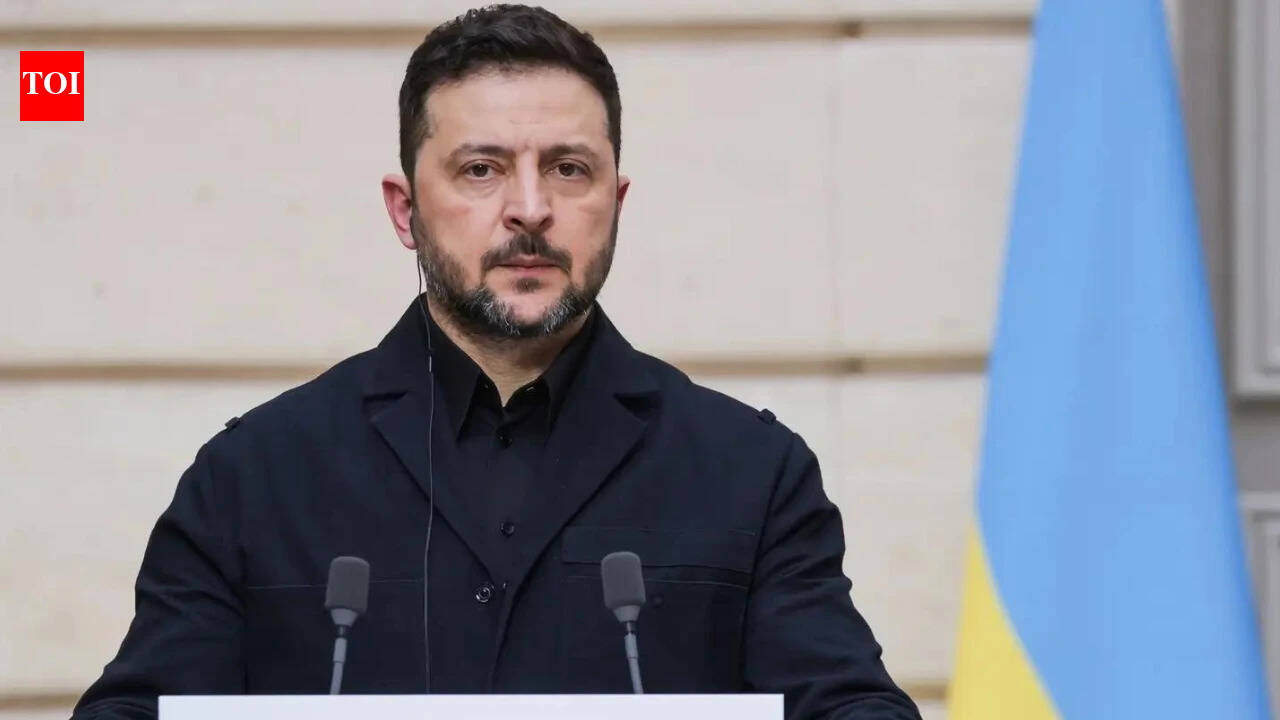
File photo: Ukrainian President Zelenskyy (Picture credit: AP)
Ukrainian President Volodymyr Zelenskyy on Friday said a US decision to temporarily ease sanctions on Russian oil sales could hand Moscow about $10 billion in extra revenue, warning the move would directly undermine efforts to end the war in Ukraine.“This one concession alone by the United States could give Russia about $10 billion for the war. This certainly does not help peace,” Zelenskyy said at a press conference in Paris alongside French President Emmanuel Macron, as per news agency AFP.
Iran Helps Putin Secure Big Win With Hormuz Blockade; Trump On Knees As U.S. Lifts Russian Oil Curbs
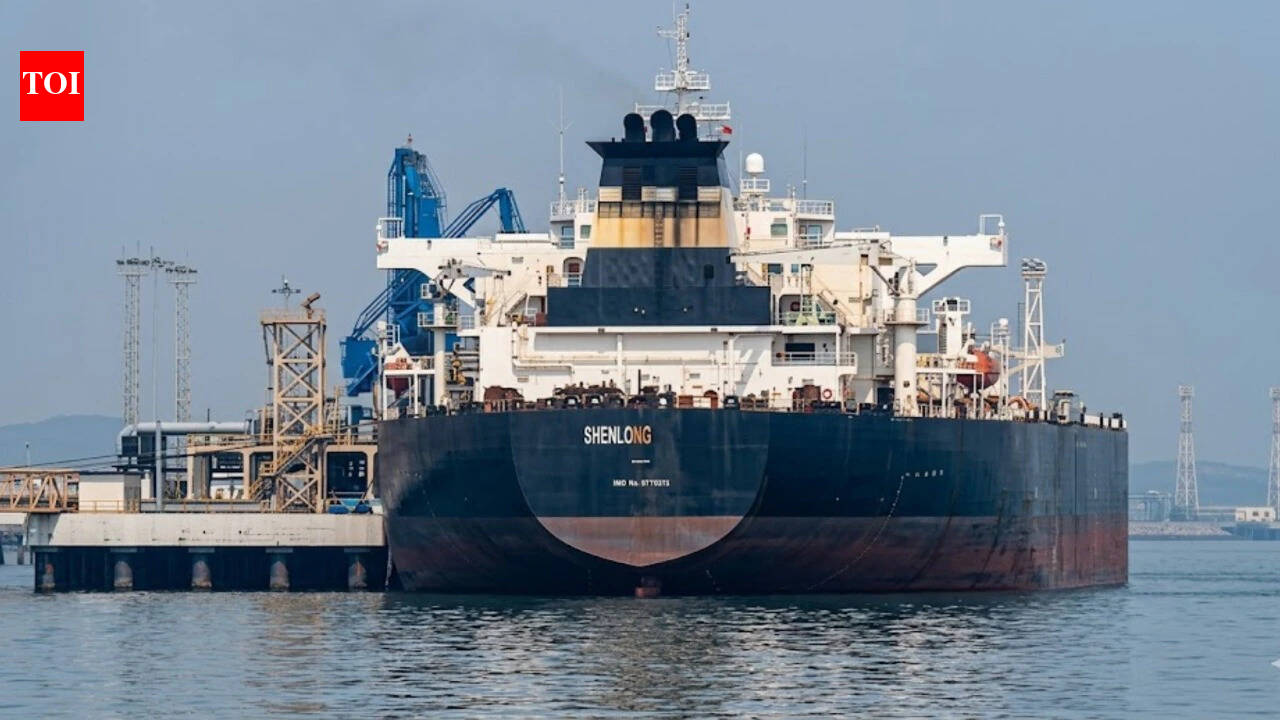
Zelenskyy’s remarks came after Washington announced a 30-day licence allowing countries to buy Russian oil and petroleum products already stranded at sea, a measure the US says is aimed at cooling global energy prices that have surged after the war involving Iran.
Zelenskyy, Macron push back against US move
Backing Kyiv’s concerns, Macron said Russia was “mistaken” if it believed the Middle East conflict would reduce international pressure on Moscow.“Today Russia may believe that the war in Iran will offer it respite. It is mistaken,” Macron said during the joint press conference.He added that G7 leaders had made clear earlier this week that rising oil prices “must under no circumstances lead us to reconsider our sanctions policy towards Russia”.The French leader’s remarks reflected growing unease in Europe that the temporary sanctions relief could strengthen Russian President Vladimir Putin at a time when oil prices are already elevated because of the Middle East crisis.
US says waiver is temporary and meant to calm markets
The US Treasury issued a 30-day licence valid through April 11 for the delivery and sale of Russian crude oil and petroleum products that had already been loaded on vessels by March 12.US treasury secretary Scott Bessent said the short-term step was intended to “stabilize global energy markets” and “increase the global reach of existing supply” after oil prices spiked above $100 a barrel in the wake of the war on Iran.As per Reuters, Washington said the move would not provide significant financial benefit to the Russian government. The measure followed an earlier US waiver issued on March 5 specifically for India to allow purchases of Russian oil already stuck at sea.The sanctions easing comes as the US and the International Energy Agency also move to release large emergency oil stocks to contain soaring prices.
Paris talks focus on pressure on Russia
Zelenskyy’s 12th visit to France since Russia’s full-scale invasion in 2022 was aimed at increasing pressure on Russia, particularly by targeting Moscow’s so-called “shadow fleet” of tankers used to move oil in breach of sanctions.The talks in Paris were also overshadowed by concern that the Middle East war has derailed US-brokered efforts to revive peace negotiations between Kyiv and Moscow.German Chancellor Friedrich Merz also criticised the US move on Friday, saying that “easing sanctions now, for whatever reason, is wrong”, according to AFP.The Kremlin, meanwhile, said the Paris meeting would obstruct the peace process and argued that trying to put pressure on Russia was “absurd”.
Wider war and fresh battlefield strain
The debate over sanctions comes as the war in Ukraine continues to intensify. A Russian strike in eastern Ukraine on Friday killed three people on a bus near Kupiansk, where Russian forces are trying to recapture ground.Zelenskyy’s visit also came amid new political friction in Europe, with Hungary blocking a key 90-billion-euro EU loan package for Ukraine as well as a fresh round of sanctions on Russia.The dispute is tied in part to the damaged Druzhba pipeline, which supplies Russian oil to Hungary and Slovakia and which Kyiv says was hit by Russian strikes earlier this year.The temporary US oil waiver, announced against the backdrop of surging global energy prices and disruptions in the Strait of Hormuz, has therefore opened a fresh fault line between Washington and its European allies, even as Kyiv warns it risks fuelling the very war the West says it wants to end.