Your support helps us to tell the story
From reproductive rights to climate change to Big Tech, The Independent is on the ground when the story is developing. Whether it’s investigating the financials of Elon Musk’s pro-Trump PAC or producing our latest documentary, ‘The A Word’, which shines a light on the American women fighting for reproductive rights, we know how important it is to parse out the facts from the messaging.
At such a critical moment in US history, we need reporters on the ground. Your donation allows us to keep sending journalists to speak to both sides of the story.
The Independent is trusted by Americans across the entire political spectrum. And unlike many other quality news outlets, we choose not to lock Americans out of our reporting and analysis with paywalls. We believe quality journalism should be available to everyone, paid for by those who can afford it.
Your support makes all the difference.Read more
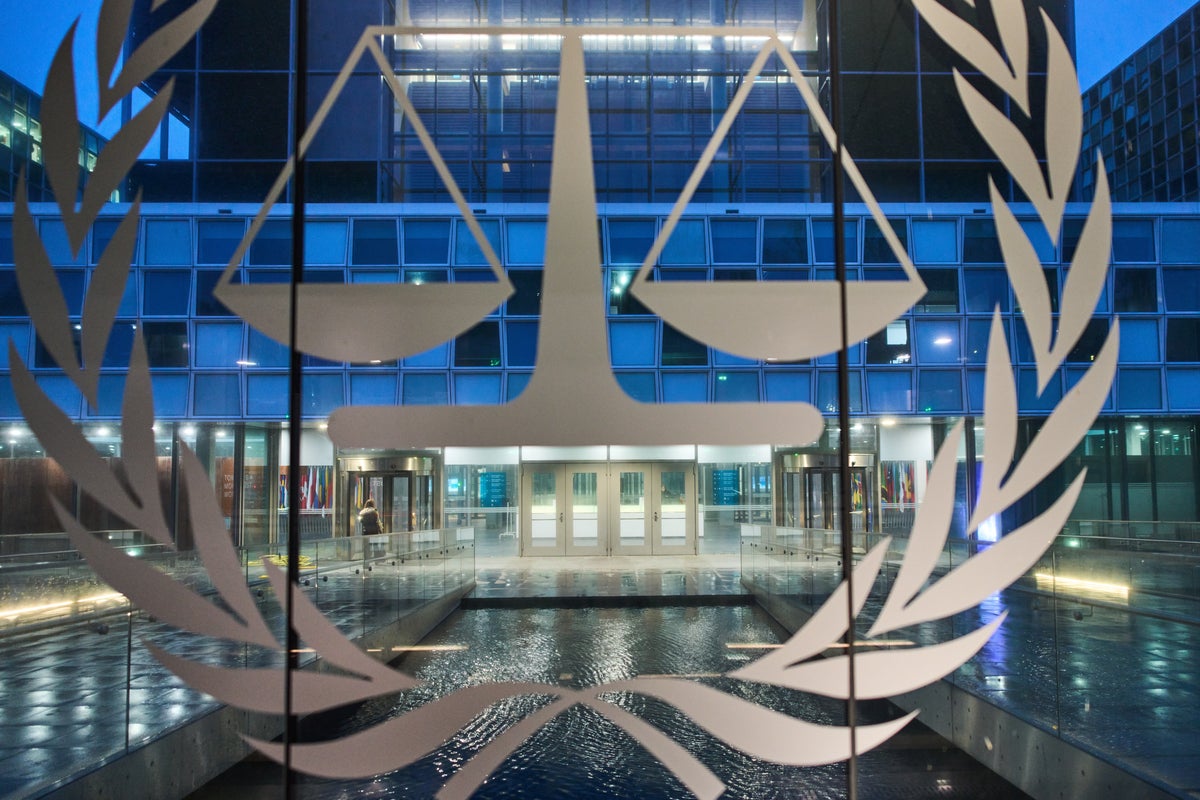
The International Criminal Court is dropping an investigation into whether U.S. sanctions against Venezuela qualified as crimes against humanity, prosecutors said Thursday.
Venezuela asked the ICC in 2020 to look into what it called “unlawful coercive measures,” arguing the asset freezes and travel bans targeting Venezuelan officials, first imposed by the United States under President Barack Obama, had caused “widespread suffering.”
Following an initial investigation, prosecutors declined to move forward, citing a lack of evidence.
In a statement, the international court’s prosecutor’s office said that while it was “generally accepted” that sanctions “may have exacerbated an existing dire humanitarian situation,” there was not enough evidence of “necessary intent” to pursue criminal charges.
The court noted that the closure of the investigation is “unrelated to the January 2026 events in Venezuela.”
In January U.S. forces captured Venezuelan President Nicolás Maduro and his wife, spiriting them out of the country in a lightning military strike. The U.S. has also carried out a series of strikes on boats it says were carrying drugs from Venezuela.
The examination of U.S. sanctions is separate from the court’s ongoing investigation into possible crimes committed by Venezuelan security forces under Maduro’s rule during a crackdown on anti-government protests in 2017.
Last year, appeals judges ordered chief prosecutor Karim Khan to recuse himself from an investigation into Venezuela, citing a conflict of interest. Khan’s sister-in-law, international criminal lawyer Venkateswari Alagendra, has been part of a team representing Maduro’s government.
Khan is currently on leave from the court, having stepped down temporarily pending an investigation into allegations of sexual misconduct.
Separately, the prosecutor’s office said Thursday that it was moving forward with an investigation into possible crimes against humanity committed by Belarus.
In 2024, Lithuania asked the ICC to open an investigation into its neighbor over severe crackdowns faced by opposition groups.
Lithuania claims the hard-line president of Belarus, Alexander Lukashenko, forced dissidents over the border, giving the court jurisdiction. Lithuania is a member of the court, but Belarus is not.
The decision opens up the possibility that Lukashenko and other Belarusian officials could face charges at the ICC.
Sviatlana Tsikhanouskaya, the Belarusian opposition leader in exile, applauded the decision. “This decision restores hope — that justice will prevail, that those responsible will be held accountable, and that the victims will finally receive truth and justice,” she said in a statement to The Associated Press. —
Yuras Karmanau in Tallinn, Estonia contributed to this report.