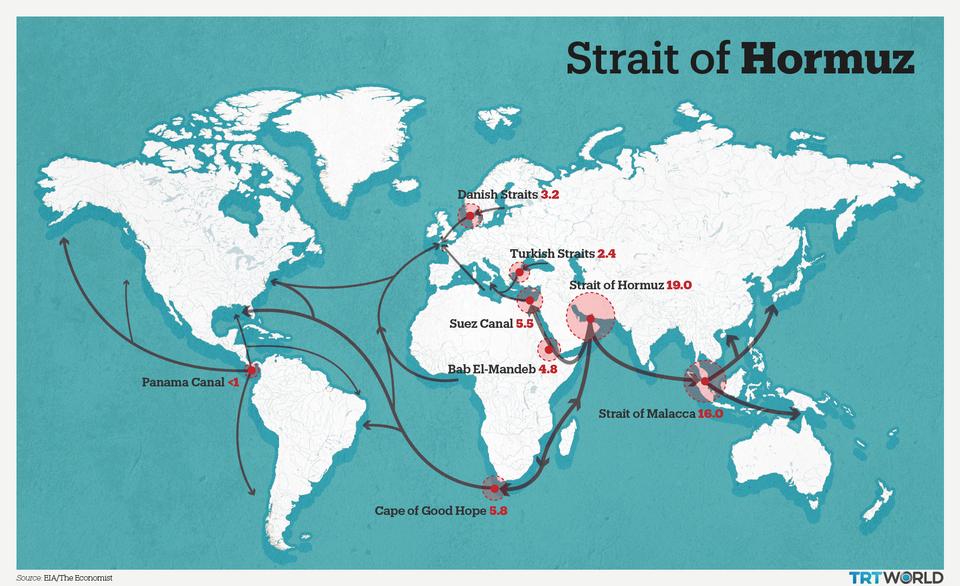
The disruption of oil shipments through the Strait of Hormuz is already pushing global fuel markets higher. For Pacific nations that import nearly all their fuel, the economic shock may soon reach the islands.
The war unfolding in the Persian Gulf is not just another distant geopolitical flashpoint.
For the Pacific, it could soon become an economic reality.
Nearly one-fifth of the world’s oil normally moves through the Strait of Hormuz, the narrow shipping corridor between Iran and the Gulf states. Since fighting escalated involving Iran, Israel, and the United States, traffic through the strait has been severely disrupted.
The effects are already visible.
According to reporting from Reuters, oil production in Iraq has been sharply reduced, Kuwait has begun cutting output, and the world’s largest LNG export complex in Qatar has halted production after drone strikes.
Oil prices have surged. But the more important signal for the Pacific is happening in refined fuel markets.
Diesel and jet fuel — the products island nations actually import — are rising even faster.
The Pacific Is at the End of the Supply Chain
Pacific countries sit at the far end of the global energy system.
The region produces almost none of the fuel it consumes. Instead, island economies rely heavily on imported petroleum products priced against Asian fuel markets, particularly benchmarks linked to Singapore, the region’s main trading hub.
When fuel prices rise in Singapore, the effect normally reaches Pacific economies weeks later.
That means the Gulf crisis could soon translate into higher fuel costs from Nukuʻalofa to Suva.
And fuel prices rarely rise alone.
When Fuel Prices Rise, Everything Follows
Fuel sits at the heart of Pacific economies.
It powers trucks that move goods from ports to shops.
It runs generators that produce electricity.
It fuels aircraft linking the islands to tourism markets.
It keeps fishing fleets and inter-island shipping moving.
When fuel prices jump, the effects spread quickly.
Freight becomes more expensive.
Food costs rise.
Airfares increase.
Electricity bills climb.
For many Pacific households already under pressure from inflation, even moderate increases can quickly strain family budgets.
Governments feel the pressure too.
Studies by the Asian Development Bank show that fuel imports can account for around 10 percent of GDP in some small Pacific island economies, highlighting how exposed the region remains to global energy shocks.
In small, import-dependent economies, a prolonged oil surge does not remain confined to the petrol pump. It spreads across the entire economy.
Recent Fuel Price Trends in the Pacific
Fuel prices across Fiji, Samoa and Tonga have been gradually falling since December, reflecting cheaper imports earlier in the global pricing cycle. But with global oil markets now surging amid conflict in the Middle East, analysts warn the downward trend may soon reverse.