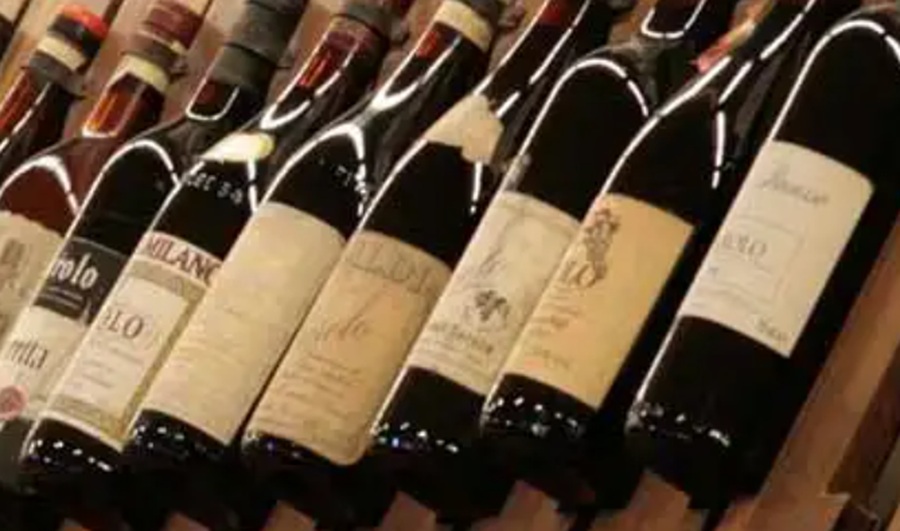
Italian authorities have seized around 2.5 million litres of falsely labelled wine in a nationwide operation aimed at combating fraud in the country’s wine industry.
The investigation, known as “Vinum Mentitum”, Latin for “Wine of Lies”, was carried out jointly by Italy’s food quality watchdog and financial police. The operation involved the Central Inspectorate for the Protection of Quality and Fraud Repression of Agri‑food Products (ICQRF) and the Guardia di Finanza.
Authorities said the probe began in 2024 and focused primarily on wines that had been falsely labelled with quality designations such as Denominazione di Origine Controllata (DOC) and Indicazione Geografica Tipica (IGT).
The seized wine is estimated to be worth more than €4 million.
Protecting Italy’s wine reputation
Italy is the world’s largest wine producer and the authenticity of its appellations is considered vital for protecting both consumers and producers.
DOC and IGT labels certify that wine comes from specific geographic areas and meets strict production standards. Fraudulent use of these labels can undermine consumer confidence and damage the reputation of legitimate producers.
Officials said the operation targeted suspected cases where ordinary wine had been falsely marketed as higher-quality products.
Additional irregularities uncovered
Beyond the falsely labelled wine, investigators uncovered a number of other irregularities during the inspections.
According to reports in the Italian financial newspaper Il Sole 24 Ore, authorities found 59 cases where the physical wine stock held by producers did not match their official records. This discrepancies were worth an estimated €410,000.
The investigation also led to several tax audits, which uncovered further violations.
Authorities said these included:
- More than €280,000 in undocumented taxable transactions
- Around €800,000 in unpaid value-added tax (VAT)
- Irregularities related to undeclared labour
- Issues linked to excise duties on wine
Few details released
Despite the scale of the seizures, officials have released limited details about the wineries or regions involved.
Authorities have not publicly identified the producers under investigation or specified which DOC or IGT appellations were affected. However, local Italian media suggested that some of the cases may involve wines produced in the Emilia-Romagna region, though investigators have not confirmed this information.