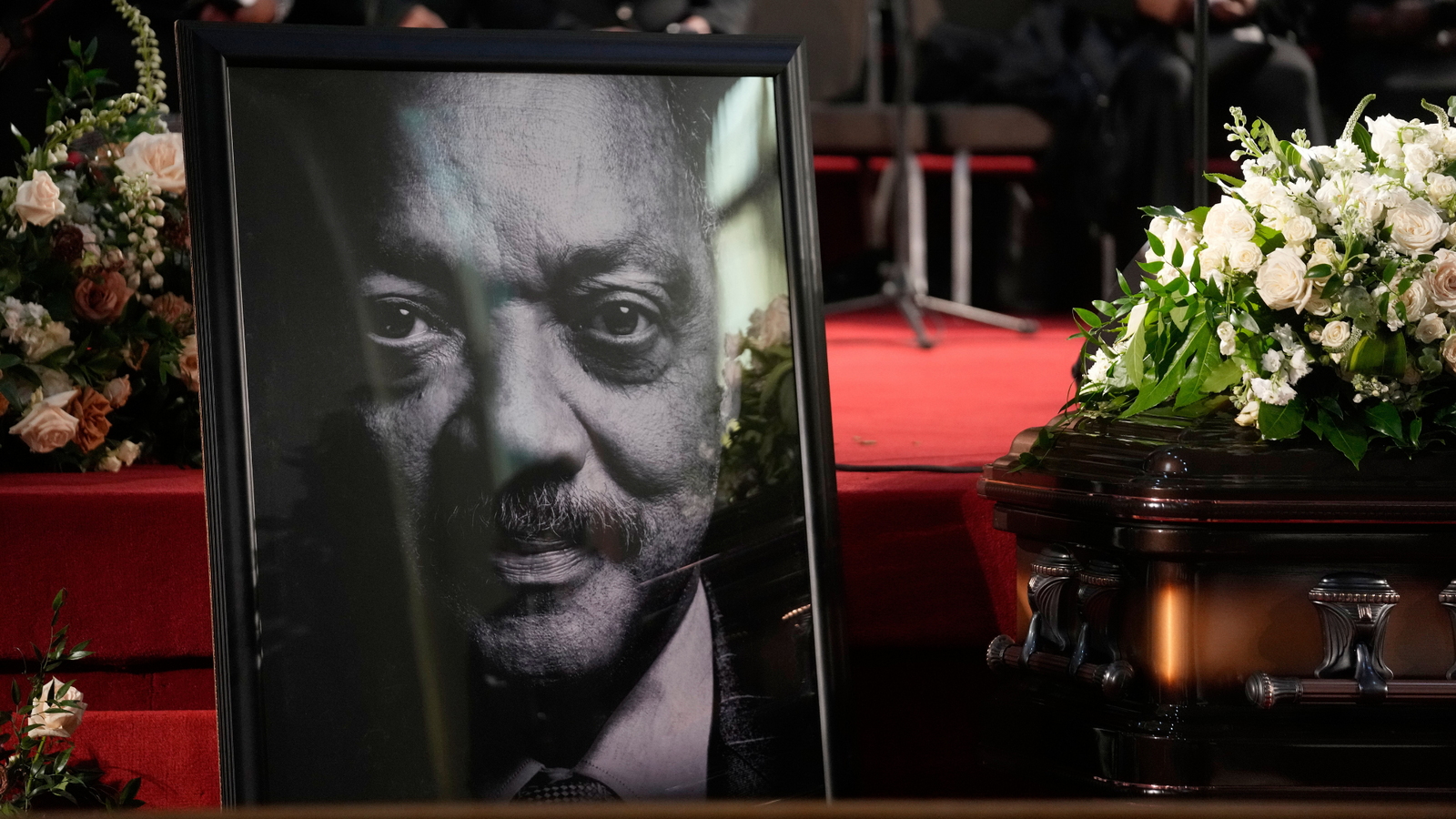
This week, Iranian worshipers gathered for the first Friday prayers since the assassination of Ayatollah Ali Khamenei. For most of the mourners, Khamenei was the only ruler they had ever known. After 36 years as Iran’s supreme leader — plus eight as president — the octogenarian was one of the longest-serving heads of state in the world.
He was a little over 10 years old when Prime Minister Mohammad Mossadegh nationalized his country’s oil, angering England, which had controlled most of it for decades. He was a teenager when the Eisenhower administration and British intelligence worked together to overthrow the democratically elected Mossadegh. He was in leadership when the Reagan administration outwardly supported Iraq while secretly selling weapons to Iran during the Iraq-Iran War.
Khamenei’s worldview was shaped in part by witnessing the colonial history between his oil-rich nation and the West.
Iran’s regime change came at the onset of this war. However, as demonstrated by the mourners who marched the streets of Tehran carrying portraits of Khamenei — yelling anti-America chants along the way — a change in our relationship with the country is going to take significantly longer. Bombs can topple the present and reshape the future, but they can never change the past. And just as we in America have our dates of significance that we commemorate — D-Day, July 4, Sept. 11 — the day the United States and Israel killed Khamenei won’t be forgotten any more than the toppling of Mossadegh was.
The Trump administration’s handling of an oil-rich nation closer to home, Venezuela, seems likely to feed a similar animosity.
What drove a wedge between the British government and the Iranian people during Mossadegh’s era was money. England refused to do a 50-50 split sharing the profits from the oil it was extracting. Iran was not only getting less than 20% of the proceeds, but its people were also subject to poor conditions. In 1950, when Saudi Arabia negotiated a 50-50 split with American oil companies, Mossadegh sought the same for Iran. When England said no, Iran seized control of oil operations within its borders. The U.S. tried to broker a compromise between the two nations but ultimately sided with England, leading to a coup in 1953 that toppled Mossadegh. We’ve been fighting with Iran for much of the seven decades since.
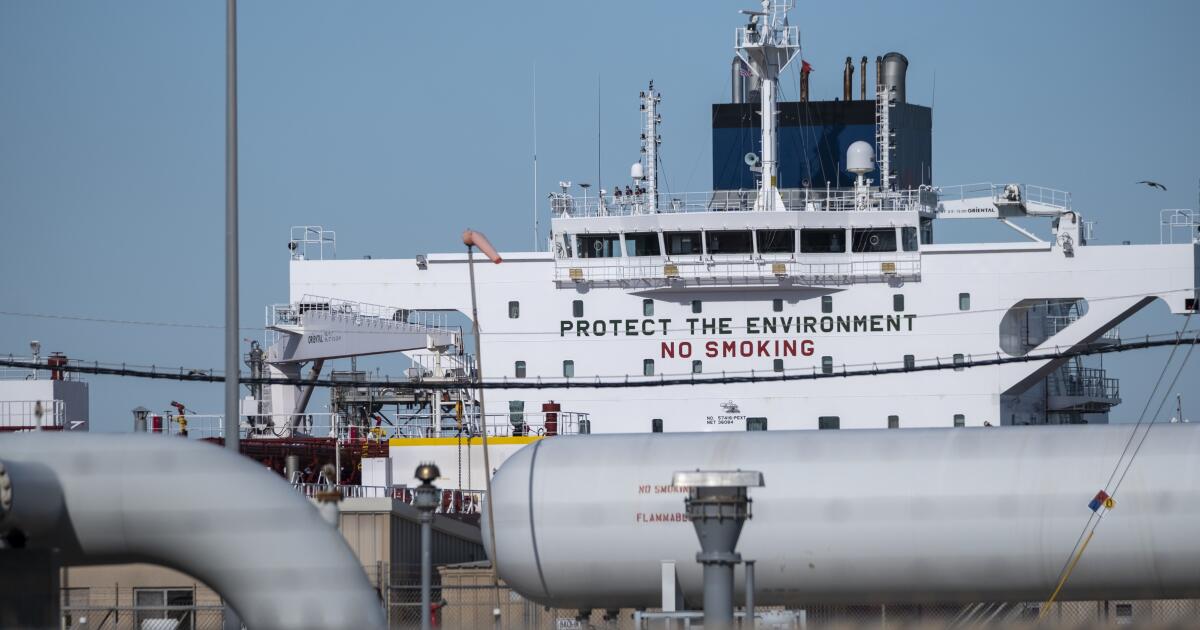
Now the Trump administration is in charge of Venezuela’s oil, much in the way England was in control of Iran’s. That’s not to suggest the capture of Nicolás Maduro — a violent strongman who oppressed dissenters — will not benefit the Venezuelan people. Khamenei’s death could also help progressive Iranian society. But history shows when oil is involved, being saved by an imperialist from the West comes with its own set of complications.
Neither we nor the people of Venezuela know for certain whether the proceeds from future oil sales are going to be split evenly, or if the Trump administration intends on seizing a sizable advantage. We do know that before Saudi Arabia secured its even split in 1950, Venezuela was the world’s first oil-producing country to force such an arrangement, in 1948. It’s naïve to think the same nation that began the global fight for domestic control over oil has forgotten its own history and will just roll over to outside demands. It’s arrogant to think the South American country that worked with the Middle East nations to form the consortium OPEC in 1960 — expressly to fight off Western control of oil — is now going to allow a foreign nation to pillage its natural resources without resistance.
In addition to oil, this week Doug Burgum, the U.S. Interior secretary, indicated the U.S. also wants access to Venezuela’s minerals and gold — much of which can be found in protected lands that include rainforests. Again, if the proceeds of the excavation are evenly split, perhaps there’s an opportunity to normalize the relationship between the nations, even if this chance arose because Trump militarily forced regime change. However, if America insists on an outsize share of the spoils; if we insist on leaving most of Venezuela’s people to struggle financially the way England took advantage of Iran a century ago; and if we take Trump at his word and consider doing something similar in Cuba, we may see profit.
But we will not see peace.
YouTube: @LZGrandersonShow
Insights
L.A. Times Insights delivers AI-generated analysis on Voices content to offer all points of view. Insights does not appear on any news articles.
Viewpoint This article generally aligns with a Left point of view. Learn more about this AI-generated analysis Perspectives
The following AI-generated content is powered by Perplexity. The Los Angeles Times editorial staff does not create or edit the content.
Ideas expressed in the piece
-
The United States has repeatedly intervened in oil-rich nations under the guise of foreign policy while primarily seeking to control or exploit those nations’ natural resources, a pattern exemplified by the 1953 CIA-backed coup against Iranian Prime Minister Mohammad Mossadegh and now reflected in the Trump administration’s approach to Venezuela[1][3].
-
Historical context shapes nations’ long-term relationships with America, as demonstrated by how Iranians, who witnessed the overthrow of their democratically elected leader when Mossadegh sought a fair 50-50 profit split on oil revenues similar to what Saudi Arabia achieved, remain hostile to the United States decades later[1][3].
-
Venezuela’s positioning as the world’s first oil-producing nation to force an equitable profit-sharing arrangement in 1948, and its role in founding OPEC in 1960 to resist Western control of its resources, means the country will not passively accept American dominance over its oil, minerals, and gold reserves[3].
-
If the Trump administration seizes an outsized share of Venezuela’s resources rather than ensuring fair profit-sharing with the Venezuelan people, the outcome will resemble England’s colonial exploitation of Iran, creating long-term animosity that transcends the benefits of regime change[3].
-
Bombs and military intervention can reshape the present but cannot erase historical grievances, meaning that even if removing Nicolás Maduro benefits Venezuelans in the short term, American imperialist control of resources will create complications for future relations[3].
Different views on the topic
-
The removal of Nicolás Maduro, described as a violent strongman who oppressed dissenters, represents a potential benefit to the Venezuelan people that may outweigh historical concerns about Western intervention[3].
-
The Trump administration’s focus on national security and foreign policy interests, including preventing adversaries from gaining influence in strategic regions and accessing critical resources, reflects legitimate governmental concerns that extend beyond colonial exploitation[2].